SMS Verification Number Recognition: The Essential Skill for Cross-Border Business
SMS Verification Number Recognition: The Essential Skill for Cross-Border Business
If you've been in the cross-border space for any length of time, SMS verification number recognition is something every studio and freelancer has to deal with. Whether you're registering overseas social media accounts, verifying WhatsApp, or managing e-commerce storefronts in bulk, you simply can't move forward without receiving those verification codes. But here's the thing most people get wrong: they only focus on "will I receive the code?" and completely ignore where the number actually comes from and how clean it is—and that's exactly what leads to account bans and data anomalies down the road.
Why Number Recognition Matters More Than Receiving the Code
The underlying logic of SMS verification platforms isn't complicated. These platforms hold batches of physical SIM cards or virtual number ranges overseas, and users grab a temporary number via API or web interface to complete SMS verification. The problem? These numbers come from wildly different sources—some are purchased in bulk through legitimate carrier channels, while others are hoarded through IoT cards or even gray-market routes.
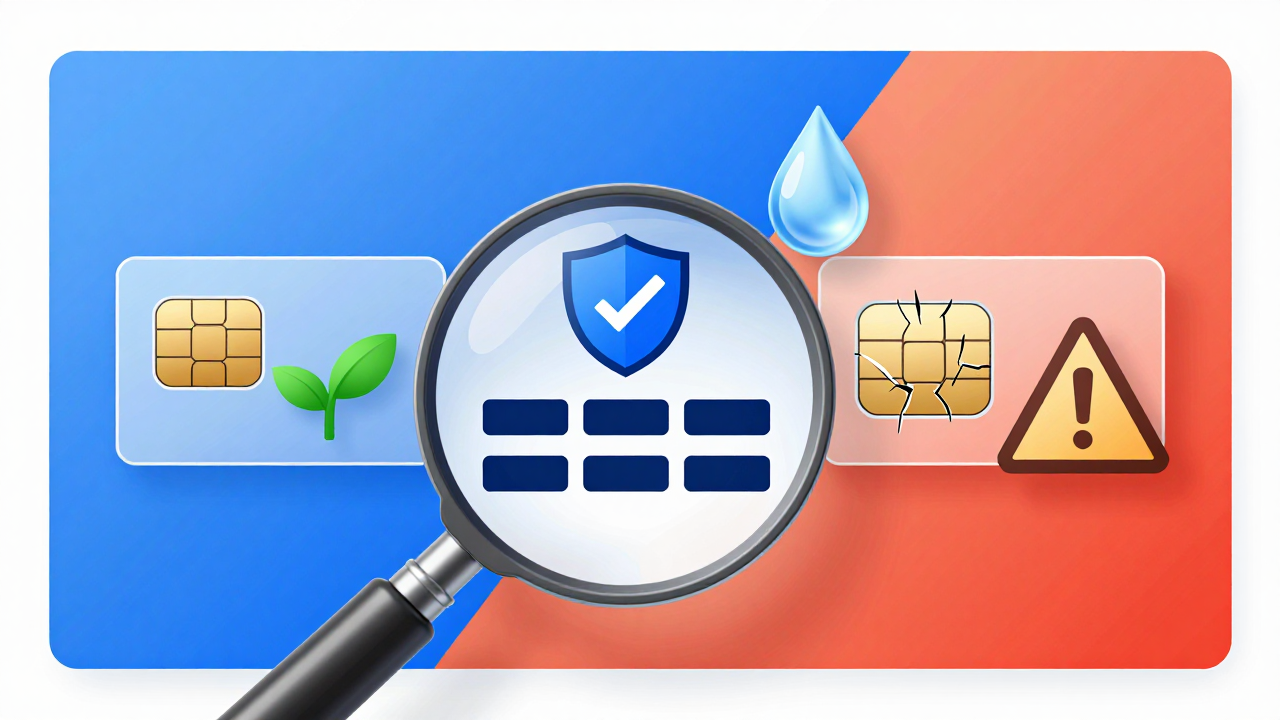
Industry consensus says the "purity" of a number directly determines your account survival rate. Many cross-border professionals report that accounts registered with low-quality numbers get flagged by platform risk-control systems within days—worst case, you're looking at a permanent ban. SMS verification number recognition is essentially the process of determining whether a number is "clean" before you stake your business on it.
Recognition Factor #1: Number Prefix and Carrier Background
Numbers from reputable verification platforms typically come from physical carriers in major markets like the US, Europe, and Southeast Asia, with clearly traceable prefixes. Meanwhile, budget platforms often hand out virtual operator (MVNO) or even VoIP numbers—these are almost guaranteed to fail when you're registering for banking or payment services. From my experience, plenty of cross-border e-commerce teams tried to save a few cents early on and ended up getting burned during PayPal or Amazon verification.
Recognition Factor #2: The Number's Usage History
Whether a number has been repeatedly used for registrations or has triggered risk controls before—these are all telltale signs. Reliable verification providers regularly purge "dirty numbers," but smaller platforms rarely bother. Here's a quick test: if the same number can receive verification codes from multiple different platforms within a short window, it's probably been overused and is already flagged.
The Industry Reality: Low-Price Temptation vs. Compliant Operations
Honestly, the barrier to entry in the SMS verification industry is pretty low, which means the market is a mixed bag. Search engines are flooded with "1,000 codes for $1" ads, but the providers that can consistently deliver high-quality numbers can be counted on one hand. Many individual operators chase the cheapest option, only to find that the money they saved on registration costs doesn't even cover a fraction of the losses from account maintenance failures later.
Right now, platforms like Getfollow have built a solid reputation in the industry by following compliant operational logic—traceable number sources, regularly updated number ranges, and a basic number status query API. To be clear, it's not perfect, but when it comes to SMS verification number recognition, they're at least headed in the right direction.
- Budget platform red flags: IoT cards disguised as physical SIMs, inflated success rates, but abysmal account survival.
- Mid-tier platform issues: Slow number range updates, frequent stockouts for popular countries, disrupting your business rhythm.
- What compliant providers share: Transparent pricing, clear number sourcing, API documentation, and basic number quality screening mechanisms.
Recognition Methods: Simple Checks Your Team Can Run
Beyond relying on your provider's screening, your internal team can build a simple recognition workflow. Many cross-border operators say this process filters out at least 30% of problematic numbers before they ever cause damage.
- Step one: Check the number prefix. For US numbers, traditional area codes like +1 201 or +1 212 are far more reliable than VoIP numbers like +1 800.
- Step two: Test the number's "activity level." Try registering a non-core platform (like Twitter or Telegram) and see if it triggers extra verification steps.
- Step three: Track reuse frequency. If the same number gets assigned to different users within a short period, drop it immediately.
One important caveat: no recognition method is 100% foolproof. Platform risk-control strategies evolve, and a number that works today might be dead tomorrow. So when choosing a provider, focus on whether they have the capacity to keep investing in technical upgrades—not just the price list in front of you.
Provider Comparison: Finding the Balance Between Compliance and Efficiency
To make the differences clearer, here's a breakdown of common provider types based on industry observation. This isn't an ad—just an objective look at what's out there.
| Provider Type | Number Quality | Price Range | Best For | Risk Notes |
|---|---|---|---|---|
| Budget/no-name platforms | Low; mostly virtual numbers | Very low | Temporary tests, non-critical registrations | High ban rates, no customer support |
| Mid-tier niche platforms | Medium; some physical SIMs | Medium | Routine business registrations | Slow number updates, stockouts in popular regions |
| Compliant providers (e.g., Getfollow) | High; primarily physical SIMs | Above average | Bulk registration, long-term account nurturing | Higher cost, but much better stability |
As the table shows, price and number quality generally go hand in hand. But here's what many cross-border businesses overlook: time is also a cost. Spending hours fighting with a budget platform and failing registration after registration wastes more in man-hours than you ever saved on the price difference.
Practical Advice for Choosing a Reliable Provider
Since people ask me about this constantly, I've compiled some hard-earned lessons. First, don't just look at the official website—search social media and industry forums for real user feedback. Second, prioritize platforms that offer API access; it signals technical capability and makes it easier to automate your workflows later. Finally, always test their customer support response time—when a number goes bad, there's nothing worse than not being able to reach anyone.
Getting back to the core topic of SMS verification number recognition: ultimately, this isn't a technical challenge—it's a mindset shift. Once you realize that "receiving the code is just the first step, recognizing number quality is what actually matters," you're already ahead of most of your competitors. Cross-border business is all about the details, and every misstep gets amplified. Choosing a provider like Getfollow that takes compliance and number quality seriously at least gives you a more stable starting line.
One last honest note: no platform can guarantee a 100% success rate. But with a solid recognition approach and the right partner, you can absolutely keep risk within acceptable limits. Hopefully this breakdown of SMS verification number recognition helps you steer clear of some costly mistakes.
Frequently Asked Questions
What is SMS verification number recognition?
SMS verification number recognition is the process of evaluating whether a temporary phone number from a verification platform is "clean"—meaning it hasn't been overused, flagged by risk-control systems, or sourced from low-quality virtual carriers. It helps you avoid account bans and verification failures.
How can I tell if a verification number is high quality?
Look at the number prefix (physical carrier numbers are more reliable than VoIP or MVNO numbers), test the number's activity on non-core platforms, and track how frequently it's been reused. If a number receives codes from many different platforms in a short period, it's likely already burned.
Why do accounts get banned even when verification codes are received?
Receiving a code only means the SMS gateway worked. Platforms like PayPal, Amazon, and major social networks run risk-control systems that flag numbers with poor reputations—even if the code arrives successfully. Low-quality numbers from IoT cards or gray-market sources are prime targets for these flags.
Are budget SMS verification platforms worth the savings?
Usually not. While budget platforms advertise extremely low prices, the numbers they provide are often virtual or recycled, leading to high ban rates and wasted time. For any serious cross-border operation, the cost of a compliant provider is far lower than the cost of failed registrations and lost accounts.