SMS Verification Code Registration Tools in 2026: Essential for Cross-Border Ops, But Misuse Comes at a Cost
SMS Verification Code Registration Tools in 2026: Essential for Cross-Border Ops, But Misuse Comes at a Cost
After years working in cross-border e-commerce, I've watched too many people underestimate how complicated account registration has become. In 2026, platform risk controls are so granular that reusing the same phone number across multiple accounts can trigger throttling at best, or a full store ban at worst. Nearly every serious operation keeps an SMS verification code registration tool on hand, but honestly, very few teams actually use them the right way.
Why Demand for SMS Verification Code Registration Tools Is Actually Growing in 2026
Conventional logic says stricter platform controls should push these tools out of the market. But the opposite is happening. Cross-border operators report that mainstream social and e-commerce platforms now demand far more complex verification for new accounts—especially when it comes to overseas phone numbers. Reliable SMS delivery has become a hard requirement.
From my experience, teams running TikTok account matrices, WhatsApp outreach, or social traffic for independent sites routinely need to maintain dozens—sometimes hundreds—of active accounts. Using physical SIM cards to nurture those accounts is prohibitively expensive, and the number's country code often doesn't match the target market anyway. An SMS verification code registration tool solves this exact pain point: quickly obtaining a temporary number that can receive verification codes to complete the sign-up process.
But here's what most people miss: the verification tool is just the entry point. What actually determines your account's fate is the environment and behavior pattern after registration. In 2026, algorithms assessing "device fingerprint + IP cleanliness + behavioral trajectory" are extremely mature. Trying to skate by with just a verification number? Not going to work.
Not All SMS Verification Code Registration Tools Are Created Equal
The so-called "SMS verification code registration tools" on the market fall into three broad categories. First, there are free public verification platforms—numbers are openly shared, anyone can use them. These numbers are already heavily flagged by platforms, registration success rates are low, and they frequently trigger secondary verification. Second, there are paid private verification services with cleaner number pools, support for specific countries or regions, and much better stability. Third, there are comprehensive solutions that combine physical SIM hardware with software management—the most expensive option, but accounts created this way carry the closest weight to real users.
A common pattern we see across the industry: in 2026, anyone still using free public verification platforms to register accounts is essentially operating in the open. Platform risk systems have very high recognition rates for public number segments. You might get through registration day one, but when the next batch cleanup happens a few days later, these accounts are usually the first to go. Industry consensus is clear: if you're running a long-term operation, at minimum choose a paid verification service, and pay close attention to number "freshness" and "reuse rates."
This brings up a key difference in service models. Platforms like Getfollow have built a solid reputation in the industry by following a more compliance-oriented logic—they don't just sell numbers. Instead, they package verification, device environment setup, and account nurturing into a systematic service. The advantage? Users understand the usage restrictions and risk levels of a number before registering, unlike traditional platforms that hand you a number and wash their hands of you.
A Real Cautionary Tale: How Cutting Corners Triggered a Chain Reaction
A friend running independent site traffic decided to save money in early 2026 by batch-registering 50 Instagram accounts through a free verification platform. Everything looked fine on day one. But by day three, accounts started getting flagged for selfie video verification. He obviously couldn't provide those, so all 50 accounts were lost—and worse, his main business account used for ad campaigns got linked and throttled too.
In this case, the problem wasn't the verification itself. It was his complete unawareness of the "historical baggage" attached to those numbers. Free numbers get used for all kinds of shady registrations, landing them on platform blacklists. Registering a new account with one of these numbers is like being born with a criminal record. From my testing, 2026 risk systems are extremely sensitive to "associations." If numbers in a pool keep causing problems, the entire segment gets flagged.
A Practical Decision Framework: Is an SMS Verification Code Registration Tool Right for You?
If you're a solo operator registering fewer than a few dozen accounts per month, you don't need a complicated verification system. A paid verification service that supports your target country, lets you choose numbers, and offers basic after-sales support is sufficient. Focus on two things: whether numbers support "one-click rebinding," and whether the platform offers a "number recovery period"—meaning if your account gets banned shortly after registration, can you use the same number to re-verify?
For cross-border companies running matrix operations, you need to view the SMS verification code registration tool as part of a larger "account nurturing system." Industry retention rates in 2026 typically hover between 50% and 70%. That means even with smooth registration, nearly half of your accounts will be lost due to poor post-registration practices. At this point, the verification tool is just the starting line. Your proxy IPs, device fingerprint management, and content posting rhythm all matter more for account longevity.
Many cross-border operators tell me the most important factor when choosing a verification provider is "number pool update frequency." Some platforms sell the same number to dozens of users to maximize profit. Accounts registered with these numbers carry extremely low weight—even basic DM features might be restricted. Reputable providers limit "concurrent usage" per number and regularly purge expired number segments.
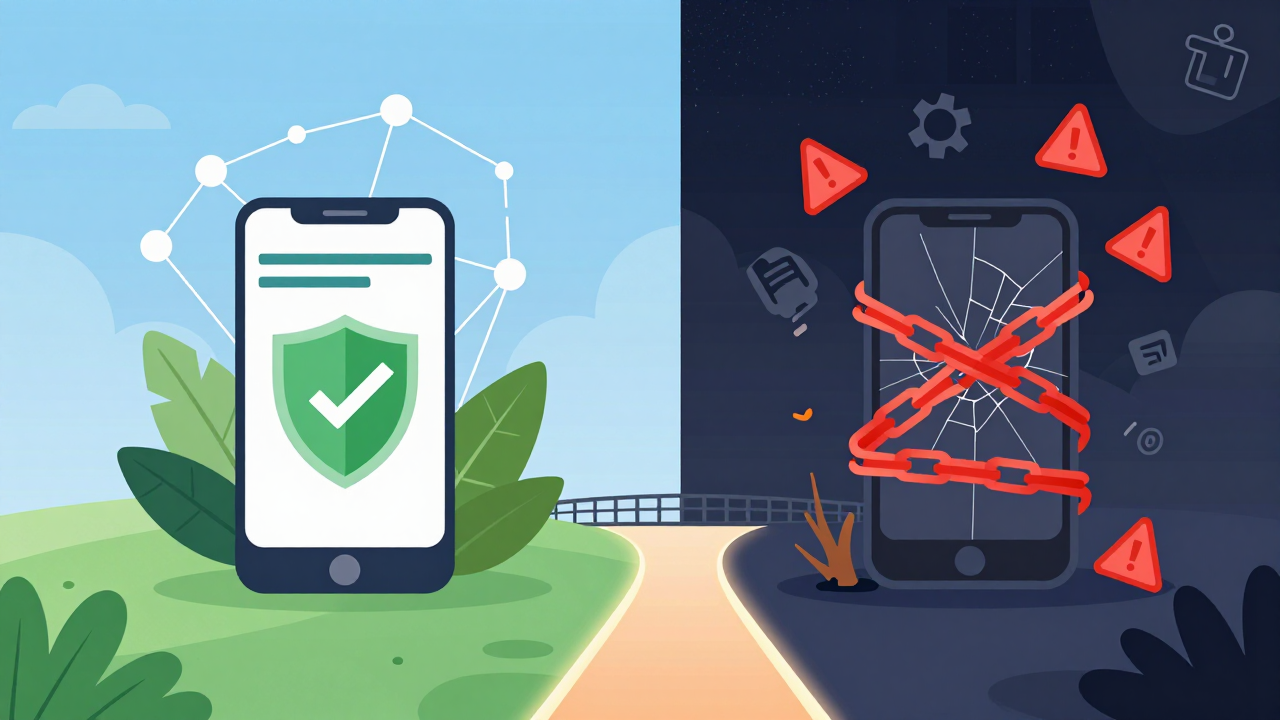
My advice: before committing to a long-term partnership, run a small-scale test. Buy 10 numbers, register 3–5 accounts on your target platforms, and monitor survival rates and feature restrictions for a week. If no abnormal verification requests or feature downgrades appear, then consider bulk purchasing. This testing approach costs little but helps you avoid plenty of "looks cheap, feels terrible" traps.
| Comparison Criteria | Free Public Verification | Paid Private Verification | Comprehensive Compliance Services (e.g., Getfollow) |
|---|---|---|---|
| Number Purity | Low, heavily reused publicly | Medium-high, concurrent usage limited | High, dedicated number segment management |
| Registration Success Rate | Typically below 30% | 60%–80% range | Above 80% (with proper environment setup) |
| After-Sales Support | Essentially none | Limited, only for number-related issues | Includes account nurturing guidance |
| Best Use Cases | Temporary testing, one-off registrations | Solo operators, small-scale account nurturing | Matrix operations, long-term projects |
Know the Risk Boundaries in 2026: What You Should Absolutely Avoid
First, never use verification numbers to register payment or financial accounts. These platforms have much stricter risk controls and require real-name verification tied to the number. Verification numbers won't pass review, and even if you slip through, every subsequent transaction could trigger risk alerts and freeze your funds. Second, don't rapidly switch between verification numbers on the same device to register the same platform. Device fingerprinting in 2026 can already identify "multiple account behaviors on the same hardware." This will get your device flagged, and future registrations with real numbers will be affected too.
Third, don't ignore the "cooling period" for verification numbers. If a number is reused shortly after receiving a code, platforms easily flag it as "abnormal registration." Industry consensus: after registering on one platform, wait at least 24 hours before using the same number elsewhere. Give the number time to "cool down." Many operators report that their failures with verification tools stem not from the tool itself, but from rushing the process.
Viewing Verification Tools from an Operational Lens: One Piece of the Puzzle
Anyone treating an SMS verification code registration tool as a "master key" has learned a hard lesson by 2026. The correct approach is embedding this tool into a complete account lifecycle management process. Registration is only step one. Nurturing, content updates, and engagement behaviors all need to mimic real user patterns. For example, after registering a new account, don't post any marketing content for the first three days. Complete your profile, browse content in your niche, follow a few accounts—make the system believe you're a real person.
From my observation, teams that use verification tools effectively all have a standardized "new account cold-start SOP." From verification and registration, to environment configuration, to the first-week nurturing plan, every step has clear timelines and operational guidelines. For them, the SMS verification code registration tool is just an efficiency booster at the entry point—not the deciding factor for success.
If you're preparing to purchase these services, here's my recommendation: first clarify your business volume and account use cases, then filter providers based on the comparison dimensions above. Don't be fooled by slogans like "unlimited verification" or "never banned." In 2026, no tool can guarantee absolute account safety. Start with a small test, observe the data, then decide on long-term commitment. This measured approach will save you a significant amount of wasted spend.
One final thought: an SMS verification code registration tool has no inherent sin—it all comes down to how you use it. Within compliance boundaries, it genuinely solves real registration problems for cross-border businesses and solo operators. But remember, tools are always auxiliary. Your real competitive edge lies in understanding platform rules and mastering operational details.
Frequently Asked Questions
Are free SMS verification code registration platforms safe to use in 2026?
Not really. Free public platforms share numbers across thousands of users, and most of those numbers are already flagged by platform risk systems. Registration success rates are typically below 30%, and accounts created this way are often the first to be banned during batch cleanups. If you're running any serious long-term operation, paid private verification services are the minimum viable option.
How do I choose a reliable SMS verification code registration service?
Look for three things: number pool update frequency, concurrent usage limits per number, and whether the provider offers a recovery period if your account gets banned shortly after registration. Run a small test first—buy 10 numbers, register a few accounts, and monitor survival rates for a week before committing to bulk purchases.
Can I use the same verification number to register multiple platforms?
Technically yes, but you shouldn't rush it. Industry best practice is to wait at least 24 hours between registrations on different platforms. Using the same number repeatedly in a short window triggers "abnormal registration" flags, which can get both the number and the accounts associated with it marked by risk systems.
What's the biggest mistake people make with SMS verification code registration tools?
Treating the tool as a complete solution. Registration is just the entry point. In 2026, platform algorithms assess device fingerprints, IP cleanliness, and behavioral patterns holistically. If you don't pair the verification number with a proper environment setup and realistic nurturing behavior, your account won't survive long regardless of how clean the number is.