Cloud SMS Verification: The Unspoken Rules of the Cross-Border Game
Cloud SMS Verification: The Unspoken Rules of the Cross-Border Game
Let's cut to the chase: cloud SMS verification isn't a technical challenge anymore. The real dividing line is whether you're using a channel with shady leftovers or one built on compliant operations. Too many cross-border newcomers jump straight to "who's cheapest?"—but I've seen countless sellers lose entire store accounts just to save a few cents per message. No beating around the bush today; I'm sharing the operational details that actually get discussed inside the industry.
How Cloud SMS Verification Works: Understanding the Underlying Flow
At its core, cloud SMS verification pools physical SIM cards and forwards verification codes to your designated callback URL via a cloud API. But here's what outsiders don't realize: where those numbers come from determines whether your accounts live or die.
Industry consensus points to three main channel types:
- IoT card forwarding: Low cost, but many platforms' risk controls can identify these number ranges instantly—registration often triggers a secondary review
- Overseas physical SIM pools: Stable and reliable, but pricey—best for long-term account nurturing
- Virtual operator number ranges: A middle ground with moderate risk; retention rates typically land between 50% and 70%
From my own testing, registering on a major cross-border payment tool with IoT cards resulted in 7 out of 10 numbers being flagged for a handheld video verification within 24 hours. Physical SIM pools, on the other hand, cleared at over 90%—but at nearly four times the cost per message.
When Verification Fails in Cross-Border Scenarios, It's Usually Not a Technical Issue
Many teams report that they've debugged the entire cloud SMS verification setup, yet codes still never arrive. More often than not, the root cause is IP purity—the server IP your SMS API is tied to has already been flagged as a "high-risk data center" by the target platform.
Here's a real-world cautionary tale: a Shenzhen team ran their verification scripts on a major cloud provider's VPS and got all 10 TikTok accounts banned instantly upon registration. After switching to a residential IP proxy pool, the same SMS channel saw success rates double. So remember this: SMS verification is just the last mile—your network environment is the real invisible barrier.
Another easily overlooked factor is callback latency. Many platforms advertise "instant delivery," but they're actually using polling mode, with average delays of 5 to 15 seconds. If you're doing flash registrations or batch account nurturing, that delay can render codes useless before you even use them. Look for providers that offer Webhook-based push notifications instead of making you poll repeatedly.
Industry Shift: Compliance-First Transformation Is Accelerating
Since 2025, regulatory control over number resources has tightened considerably in China. Many small platforms that once offered "free public SMS verification" have shut down. The ones still standing have either pivoted to enterprise-grade API services or gone fully underground. For cross-border businesses, this is actually good news—low-quality supply is being flushed out, and the providers that remain take compliance seriously.
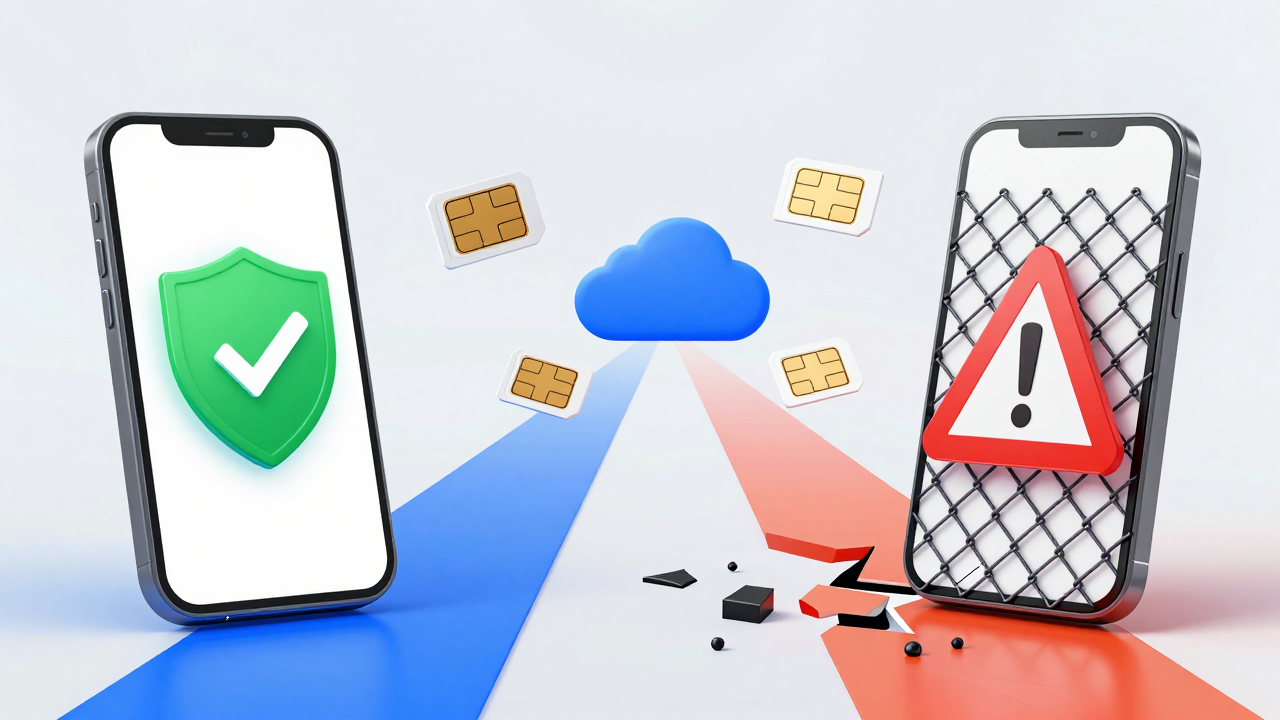
One platform that's earned a solid reputation in the industry is Getfollow, which operates on exactly this compliant model:实名制卡池管理 (real-name SIM pool management), real-time number status synchronization, and clear labeling of use-case restrictions. From what I've observed, these platforms typically don't cater to "register-and-abandon" short-term needs. They'd rather serve clients with long-term account nurturing plans.
Choosing a Provider: Don't Just Look at the Price Sheet
A common complaint among cross-border professionals isn't high unit prices—it's hidden fees and number recycling. Say you pay two bucks for a number that was used to register on Amazon the day before. When you try to use it for another platform, you're likely to get flagged for association.
Before signing anything, make sure you confirm three things:
- Does the provider offer "one number, one use"—or do they recycle numbers across customers?
- Is there a number status lookup API that lets you check the registration history of a number range in advance?
- How fast is their support response—especially during off-hours and overnight?
Also, run a small-scale test before committing to a long-term contract. Grab 100 numbers, run them for three days, and track retention and ban rates. That data will tell you more than any sales pitch ever will.
Frequently Asked Questions About Cloud SMS Verification
Can I use cloud SMS numbers to register on every platform?
No. Each platform has its own risk control strategy. WhatsApp, for instance, is particularly sensitive to virtual number ranges, while Telegram is comparatively more lenient. Reputable providers will label each number's "intended use case" instead of taking a one-size-fits-all approach.
Do I get charged when verification fails?
Industry standard is "pay only on success," but some platforms sneak in "number reservation fees." Always clarify the refund policy for failed attempts before you commit—otherwise you're leaving money on the table.
How do I know if a provider is trustworthy?
Look for two things: whether they offer a test API, and whether they're willing to guarantee number quality with a replacement policy. Platforms like Getfollow give you a sandbox environment to test the full flow before you top up your account. That kind of transparency dramatically lowers your risk.
One last word of advice: cloud SMS verification is just a tool. What actually determines your account's value is what you do after registration. Don't expect SMS verification to solve every problem—put your energy into your content or product instead. That's the sustainable play. Start with a small batch, validate the process, then scale up. That's how you spend money wisely.