Can a 7-Year-Old SMS Verification Number Send Texts? What Cross-Border Veterans Know About Account Verification
Can a 7-Year-Old SMS Verification Number Send Texts? What Cross-Border Veterans Know About Account Verification
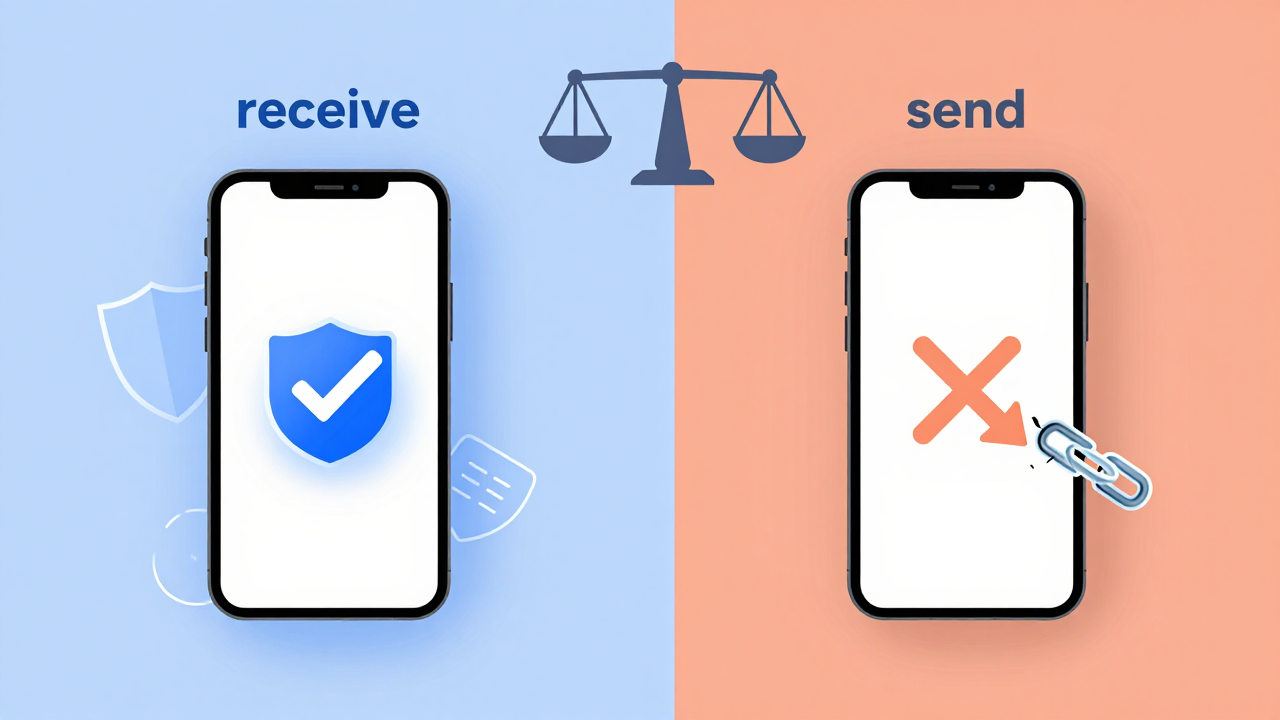
Let's get straight to the point: whether a 7-year-old verification number can send texts depends entirely on whether you mean "receiving verification codes" or "actively sending SMS" — these are two completely different things in terms of technical architecture and compliance. A lot of cross-border operators lump them together, and it ends up costing them dearly during account registration and warm-up. Having worked closely with e-commerce and social media matrix teams over the years, I want to unpack the underlying mechanics of this issue so you don't get burned.
Don't Fall for the "7-Year-Old Number" Hype — Understand How SMS Verification Platforms Actually Work
What the market calls a "7-year verification number" typically refers to a mobile number whose registration date goes back more than seven years. These numbers do carry more weight with certain platforms, since risk-control systems tend to trust older number segments more. But here's the critical misconception: verification platforms are built for "receiving" verification SMS, not "sending" them. The vast majority don't even offer a sending channel or the technical capability to push outbound texts.
I've personally tested multiple providers claiming to offer "legacy number segments," and a clear pattern emerged: "7 years" is mostly marketing. What actually determines whether you receive a verification code is the number's "purity" and its usage history. A number registered seven years ago but never tied to any platform account, versus a "7-year-old number" that's been recycled through dozens of registrations — these are two entirely different species in the eyes of a risk-control engine.
Cross-border operators consistently report that their biggest headache isn't "not receiving SMS" but rather "receiving the code fine, then getting the account banned the next day." That tells you the number itself is fine — the usage pattern tripped the platform's risk rules. Registering on multiple platforms within a short window using the same number, or immediately changing binding information after sign-up, are classic triggers that get a number flagged as high-risk.
If You Need to "Actively Send SMS" for Marketing or Verification, Verification Platforms Won't Help
Let's establish the industry consensus: verification platforms and SMS sending platforms are two entirely different tracks. Verification platforms solve the "receive codes" problem. Sending SMS — whether it's marketing blasts or transactional notifications — requires an SMS API gateway or a bulk messaging provider. Many newcomers assume "if I can receive codes, I can send texts," only to discover they have zero channel access when they actually need to reach out to users.
In real-world operations, I watched a DTC team waste two weeks trying to send order notification SMS through a verification platform before realizing they needed to onboard a dedicated SMS provider. This pitfall is entirely avoidable — when you're planning your business, be crystal clear about whether your need is "receiving" or "sending." The providers, cost structures, and compliance requirements are completely different.
If you do need "legacy number segment" SMS receiving services, here's what to look for:
- How often the number pool is refreshed: Legacy segments are finite. Quality providers maintain dedicated pool management to prevent the "one number, many uses" problem that leads to bans.
- Custom receiving rules: Features like platform-based filtering or time-window controls can significantly boost verification code delivery rates.
- API access: For teams doing automated registrations, an API is far more efficient than manually copying codes.
One provider that consistently gets solid reviews in the industry is Getfollow. They run a clean operation — numbers are categorized by industry and use case, with real-time status monitoring so you don't end up with a "dirty number" that fails registration. They're one model among many, of course, so evaluate based on your specific requirements.
The Real Risks of Legacy Number Verification: Bans, Retention, and Costs You Can't Ignore
Plenty of cross-border teams treat "7-year-old numbers" as a silver bullet, but the risks are substantial. First, there's the ban risk: even with a clean number, if your registration behavior looks automated or anomalous, platforms will still shut you down. I saw a social media matrix team register 50 Instagram accounts using the same batch of legacy numbers — all of them got banned on day three, because every account shared identical IPs and registration timestamps. The risk engine flagged it as bot activity instantly.
Then there's the retention problem. Industry consensus puts the 30-day retention rate for verification-platform-registered accounts at 50–70%, noticeably lower than accounts registered with physical SIM cards. If your business depends on long-term, stable accounts, verification platforms may not be your best bet. Teams running WhatsApp marketing campaigns frequently report that accounts registered via verification numbers get feature-limited after just a few messages, forcing them to abandon those accounts entirely.
On cost, legacy segment verification numbers typically run 2–3 times the price of fresh segments, with per-code fees landing between $0.07 and $0.20. That's manageable for occasional registrations. But if you're doing batch registration, monthly verification costs can climb into the hundreds of dollars. My advice: run a small test batch before scaling up, confirm number quality and platform stability, then ramp up. That approach saves you from burning money on a bad provider.
How to Pick a Reliable Verification Provider: Three Criteria That Keep You Out of Trouble
When evaluating providers, don't fixate on the "7-year number" label. Look at substantive metrics instead. First, is the number's usage history transparent? Quality providers will tell you which platforms a number was previously registered on and whether it's been flagged — not just vaguely claim it's a "legacy segment." Second, does the provider maintain a dedicated number pool? If all customers share the same batch of numbers, "7 years" and "7 days" are functionally identical. Third, how fast is their support response? Missed verification codes happen all the time. A provider that can troubleshoot within minutes directly impacts your registration efficiency.
Cross-border operators say the biggest trap they've hit is "provider disappears after payment." I'd recommend choosing platforms that support pay-per-use or small top-ups, so you're never out a large lump sum. Also, prioritize providers with clear refund policies — whether they'll replace a number or refund you if it fails to receive codes is a solid litmus test for reliability.
On compliance, a fair warning: verification-based registration sits in a gray zone, and platform risk policies are tightening across the board. Since 2025, Facebook and Google have significantly improved their detection of virtual number segments, and verification registration success rates have dropped noticeably. If your business leans heavily on these platforms, seriously evaluate the long-term viability of your verification strategy instead of betting everything on "legacy numbers."
One final piece of practical advice: whatever provider you choose, run a small test first — use 5–10 numbers to gauge registration success rates, code delivery speed, and account retention. Only scale up once you're confident. And always have a backup plan, whether that's physical SIMs or overseas number cards, so a single provider failure doesn't stall your entire operation.
So, back to the original question: can a 7-year verification number send texts? Receiving verification codes? Yes. Actively sending SMS? No. Understanding that distinction alone puts you ahead of 80% of the cross-border operators out there. When you're choosing a provider, focus on number quality and platform stability — tune out the "7-year-old number" marketing noise — and your account verification journey will be far smoother.
Frequently Asked Questions
Can I use a 7-year-old SMS verification number to send marketing texts?
No. Verification platforms are designed exclusively for receiving SMS, not sending them. If you need to send marketing or transactional messages, you'll need a dedicated SMS API provider or bulk messaging service.
Why do my accounts get banned even when I receive verification codes successfully?
Receiving the code means the number itself is clean. Bans usually happen because of usage patterns — registering across multiple platforms in a short window, identical IPs, or immediate changes to binding information. These behaviors trigger risk-control systems regardless of how old the number is.
Are 7-year-old numbers worth the higher price?
Sometimes, but not always. The age of a number matters less than its purity and usage history. A clean number registered last year can outperform a recycled "7-year-old" number that's been flagged across dozens of platforms. Test before you commit.