Best SMS Verification Platforms for Cross-Border Business in 2025
Best SMS Verification Platforms for Cross-Border Business in 2025
If you run an e-commerce operation or handle any kind of overseas business, you've probably needed a SMS verification platform at some point. Registering international accounts, verifying social media profiles, linking payment tools—every step requires a number that can actually receive text messages. The problem? The market is flooded with shady providers. Some numbers stop working after two uses, others get flagged by platform risk controls immediately, and a few just vanish with your money. Let's skip the fluff and talk about what actually matters when choosing a service, from someone who's been dealing with international clients for years.
Why Cross-Border Businesses Increasingly Rely on SMS Verification Services
When most independent studios first expand overseas, they try using their domestic mobile number to register on international platforms. The result? Either the verification code never arrives, or the account gets banned within hours. The reason is simple: overseas platforms apply strict risk controls on numbers from non-target regions, especially SaaS tools and social networks focused on North American and European markets.
This is where an SMS verification platform proves its worth. It gives you access to real overseas numbers for account registration and text verification. But here's the catch—not all platforms are created equal. Some rely on virtual number pools where the same digits have been recycled across dozens of accounts. Those numbers are already blacklisted, and no amount of luck will get you through verification with them.
Know Your Use Case Before Picking a Platform
Cross-border enterprises and independent operators have different needs, so don't just grab the first option you see. Based on my experience working with clients across these scenarios, here's how the demand typically breaks down:
- Bulk account registration: If you're running a social media matrix with dozens or hundreds of accounts, you need numbers with high independence and stability. Look for providers that offer dedicated number segments rather than shared pools.
- Occasional verification: For the occasional new tool signup or one-off verification code, a shared number pool works fine. It's cost-effective and available on demand.
- Long-term number binding: Some platforms require a permanent phone number for notifications after registration. In this case, purchase a monthly rental number instead of paying per-message for temporary codes.
Figure out your actual needs first, then evaluate providers. A common pattern we see is people buying large packages they never use because they didn't think through their requirements upfront—wasted budget, pure and simple.
How to Evaluate a Service Provider: Key Criteria That Matter
Industry observers generally agree that a trustworthy SMS verification platform comes down to three things: sufficient number resources, stable delivery channels, and responsive customer support. One platform that consistently earns solid reviews in this space is Getfollow, which follows exactly this playbook—number coverage across major global regions, direct carrier connections, and reliable code delivery rates. It's not the only option out there, but it's a reasonable benchmark to start your comparison.
Here's something most people overlook: how quickly a platform recycles its numbers. Some providers rotate numbers aggressively to cut costs. You register today, try to reset your password in two days, and discover the number no longer belongs to you. That's a terrible experience. Reputable providers typically hold numbers for at least 24 hours, and some even let you customize the retention period.
Common SMS Verification Pitfalls You Should Avoid
Let's talk about the traps that cost people real money. These lessons come from hard-won experience, and I'd rather you learn them here than the expensive way.
Pitfall #1: The low-price lure. Some platforms quote absurdly cheap rates—pennies per message. But overseas numbers have a real acquisition cost. If the price is below that threshold, something's wrong: problematic number segments, unstable channels, or an exit scam in progress. The industry consensus is clear—suspiciously cheap verification services fail at an alarming rate.
Pitfall #2: Ignoring use-case differences. Some platforms market themselves as "universal"—one number for everything. In reality, different platforms apply vastly different risk control policies. A number that works for Platform A might be instantly rejected by Platform B. Professional providers adjust their number strategies based on the target platform rather than offering a one-size-fits-all solution.
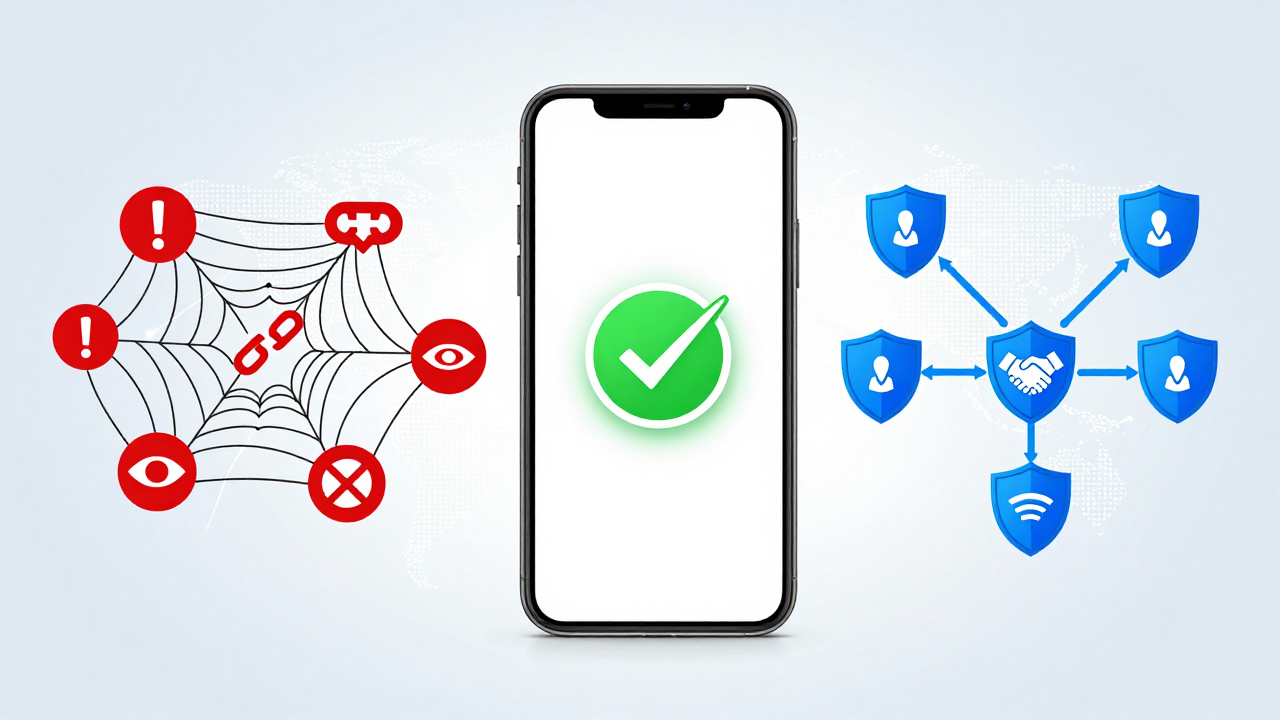
Pitfall #3: Neglecting after-sales support. Verification issues happen—delayed codes, missing texts, failed deliveries. When they do, response speed matters. Many small platforms are unreachable when problems arise; tickets go unanswered for days. Choose a provider with live chat support. Paying slightly more for peace of mind is worth every cent.
Compliance Is Non-Negotiable for SMS Verification Services
Let's address the elephant in the room: compliance. An SMS verification platform is a neutral tool. Used properly, it streamlines operations. Used carelessly, it invites trouble. Many cross-border operators report that account bans stem less from the numbers themselves and more from behavioral patterns that trigger platform risk controls.
For example, registering multiple accounts from the same IP address in rapid succession, immediately modifying profile details after signup, or frequently switching login devices—these actions flag you as suspicious even with a perfectly clean number. The verification service is just step one. How you nurture the account and pace your operations matters just as much.
One more thing: stay far away from providers promising "guaranteed success" or "100% pass rates." No legitimate SMS verification platform can guarantee delivery every time because risk control algorithms evolve constantly. If someone promises certainty, they're likely testing your accounts on their end—and you're the one bearing the risk.
At the end of the day, an SMS verification platform is a tool. How well it serves you depends on your understanding of your business and your approach to risk management. I hope this guide helps you avoid a few costly mistakes. If you're in the market for a stable service, add Getfollow to your shortlist and test their delivery speed and number quality firsthand. The right fit for your workflow is out there—you just need to know what to look for.
Frequently Asked Questions About SMS Verification Platforms
Is it legal to use an SMS verification platform for overseas accounts?
Yes, using SMS verification services is legal in most jurisdictions. The tool itself is neutral. What matters is how you use it—staying within the terms of service of the platforms you're registering on and avoiding fraudulent activities. Always check the terms of both the verification provider and the target platform.
What's the difference between shared and dedicated numbers?
Shared numbers come from a common pool used by multiple customers. They're cheaper but carry higher risk of being blacklisted. Dedicated numbers are exclusively assigned to you, offering better stability and higher success rates—ideal for bulk registration or long-term binding needs.
How much does an SMS verification platform cost?
Pricing varies widely based on number type, target region, and volume. Shared pool numbers can cost as little as a few cents per message, while dedicated monthly numbers for stable platforms typically range from $5 to $30 per month depending on the country and carrier. If a deal seems too good to be true, it probably is.
Can I use the same number for multiple platforms?
Technically yes, but it's not recommended. Different platforms have different risk control thresholds. A number that works for one service might be flagged on another. For critical accounts, use dedicated numbers. For casual signups, shared numbers are acceptable.
What should I do if I don't receive a verification code?
First, check whether the number is still active and within its retention period. Then try resending the code after a few minutes. If the issue persists, contact the provider's support team. A reliable platform should have live chat or at least same-day email response. Persistent failures may indicate a blacklisted number—request a replacement.