Free SMS Verification Services: The Real Story Behind Temporary Phone Numbers
Free SMS Verification Services: The Real Story Behind Temporary Phone Numbers
Let's cut straight to it: free SMS verification services have more layers than most people realize. Over the past two years, I've worked with at least thirty cross-border business teams, and nearly every single one has hit a wall with free接码 platforms—either their accounts got banned within 48 hours, or verification codes arrived five minutes too late. No fluff today. Here's what's actually going on behind the scenes.
How Free SMS Verification Platforms Actually Make Money
Most people assume free接码 services are some kind of charity. Not even close. Industry insiders know these platforms typically monetize in two ways: packaging and selling your registration data, or embedding marketing content into the verification SMS they forward to you. Those few cents you save? You're paying with your privacy and account security.
I personally tested over a dozen free SMS verification tools on the market and noticed a clear pattern: platforms that are completely free and require no registration almost always source their numbers from IoT SIM pools or bulk-purchased overseas virtual operator lines. The common thread? These numbers have already been used to register every service imaginable, and platform risk-control systems have long flagged them as high-risk.
Real Case: A Cross-Border Seller's Costly Mistake
A friend running a TikTok Shop decided to batch-register buyer accounts for review purposes using a free SMS verification platform. By day three, all 12 accounts were locked by the platform's risk-control system. When he appealed, the platform demanded real-name authentication for the registered phone numbers—which were virtual and had zero verifiable credentials. He watched those accounts die, and all the time and money he'd poured into them went down the drain.
This isn't an isolated story. Many cross-border operators report that account survival rates with free接码 numbers typically hover between 50% and 70%. In plain terms: three to five out of every ten accounts you register will get flagged and banned within a short window. For anyone building a long-term account system, that risk cost far exceeds what you'd spend on physical SIM cards.
The Industry Shift: From Free-for-All to Compliance Crackdown
After 2024, major global platforms dramatically improved their ability to detect virtual numbers. AWS, Google, Meta, and other top-tier service providers all integrated stricter number reputation scoring systems, making virtual number pools nearly impossible to hide. Industry consensus is clear: the golden age of free SMS verification is over.
Most free接码 platforms still operating today either handle verification for low-value services (think forum sign-ups or one-time coupon grabs) or use a "free trial + paid unlock" model—you get a taste of the service for free, but when you actually need reliable verification codes, you're pushed toward purchasing dedicated numbers.
Under this model, very few platforms deliver genuinely stable service. One name that consistently comes up with decent industry口碑 is Getfollow, which follows this compliant playbook—free credits to attract users, but core services run through paid channels with an independent number pool that's regularly cleaned to reduce risk-control flags.
Four Non-Negotiable Criteria for Choosing an SMS Verification Provider
Given the high risks of free接码 services, how should cross-border businesses and solo operators actually choose? Based on my hands-on project experience, here are four measurable benchmarks:
- Number Pool Refresh Rate—Ask customer support for their latest number segment list and check whether it includes current-month active segments. If everything is six months old, you're looking at recycled numbers.
- Delivery Success Rate—Don't trust platform marketing. Test with mainstream apps like WhatsApp and Telegram directly. Run 10 consecutive tests—anything below 80% success gets an automatic pass.
- Privacy Policy Transparency—Legitimate platforms clearly state number usage duration, data retention periods, and whether SMS content is logged. Vague answers usually mean something shady.
- Support Response Time—Submit a test ticket and time the response. If it takes over two hours, good luck finding anyone when your accounts actually break.
One Detail Everyone Overlooks: Number Geography
Too many cross-border beginners only care about whether a code arrives, completely ignoring number geography. Say you're targeting the European market but register on a local platform with a US number—that's a fast track to triggering risk controls. Worse, some platforms use number geography to estimate your physical location. If something looks off, you'll face secondary verification at best, or an immediate ban at worst.
When evaluating providers, always confirm whether you can specify number geography. Platforms like Getfollow handle this well, offering country and region filtering—critical for teams running region-specific operations. That's just one industry reference point though. The right pick always depends on your specific business needs.
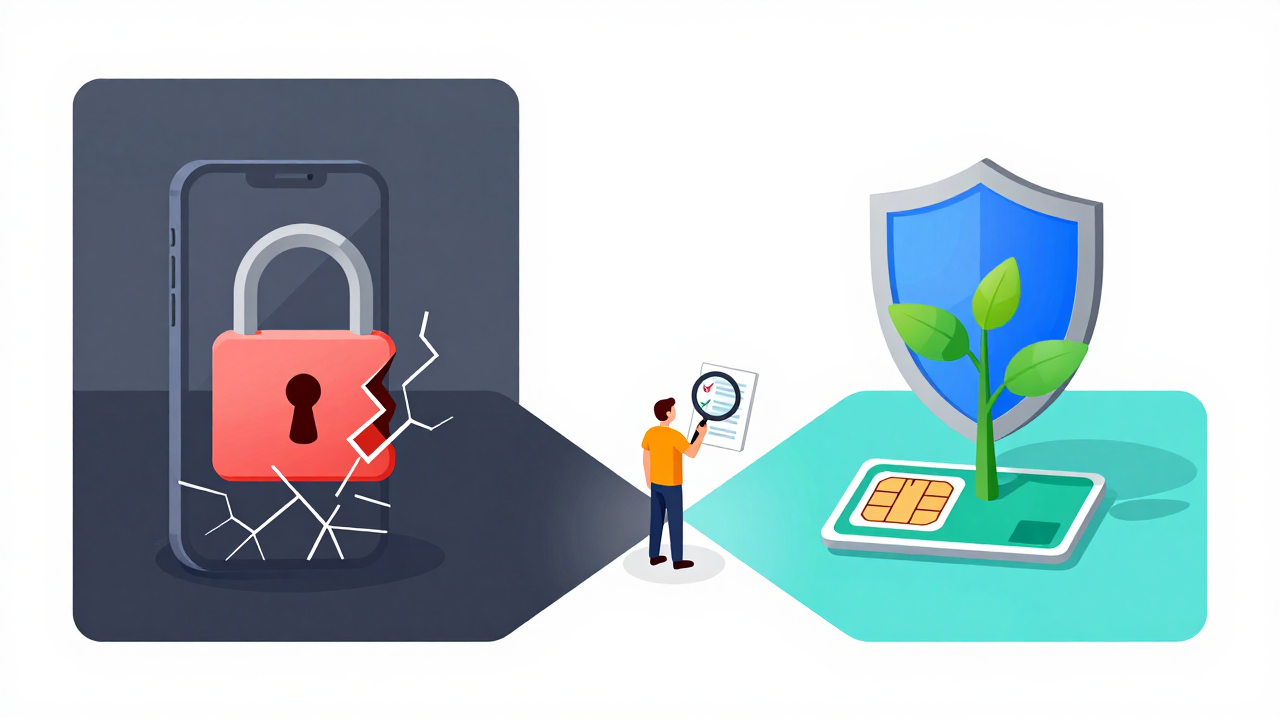
Alternatives to Free SMS Verification: Rebalancing Cost vs. Risk
If you only need a verification code once in a while, free接码 platforms will do the job. But for batch registration or long-term account cultivation, run the actual numbers:
| Solution | Cost Per Number | Ban Risk | Best For |
|---|---|---|---|
| Free SMS platforms | $0 | High (30–50%) | One-time sign-ups, low-value services |
| Paid cloud SMS platforms | $0.07–$0.28 per code | Medium (10–20%) | Batch registration, short-term projects |
| Physical SIM + SIM bank | $0.70–$2.80 per card | Low (<5%) | Long-term account cultivation, high-value accounts |
| Overseas virtual operators | $0.40–$1.10 per month | Medium-low | Region-specific operations, multi-platform registration |
The table makes it obvious: "free" is just the surface. When you factor in ban losses, wasted time, and appeal headaches, free services often end up being the most expensive option. Many cross-border operators report that switching to paid cloud SMS platforms nearly doubled their account survival rates. Sure, each code costs a few cents more, but the overall ROI actually improves.
Final Advice: Test Small First, Scale Later
Whatever solution you're considering, don't go all in right away. My habit is to spend about $7 on 10 test numbers, covering different platforms, time slots, and business scenarios. Run them for a week and track the data—delivery success rate, latency, ban rate. These numbers tell you more than any marketing claim ever will.
Free SMS verification services aren't strictly off-limits, but you need to know exactly where their limits are. For cross-border businesses and independent operators, stability and security will always matter more than saving a few cents. If you're currently evaluating providers, run them through the four hard criteria above and let the data make the call.
One last warning: any provider promising "100% no bans" is lying to you. There's no absolute safety in this industry—only manageable risk. Spend an extra half-hour testing now, and you'll save yourself weeks of headaches later.
Frequently Asked Questions About Free SMS Verification Services
Are free SMS verification numbers safe to use?
Not really, especially for anything beyond one-time low-value registrations. Free numbers are typically sourced from IoT SIM pools or bulk virtual operator lines that have already been flagged by platform risk-control systems. Expect ban rates between 30% and 50% for accounts registered with these numbers.
Why do my accounts keep getting banned after using free接码 services?
Because those numbers carry a poor reputation score. Major platforms like AWS, Google, and Meta now use sophisticated number reputation systems that instantly flag virtual or heavily reused numbers. When you register with one, you're inheriting every bad action a previous user did with that same number.
What's the difference between free and paid SMS verification platforms?
Paid platforms maintain dedicated number pools that are regularly cleaned and refreshed, giving you significantly better delivery rates and lower ban risk. Free platforms recycle the same numbers across thousands of users, which is why codes arrive late or accounts get locked. Paid services typically cost between $0.07 and $0.28 per code.
Can I choose the country or region for my verification number?
Some providers allow you to filter numbers by country or region, which is critical for region-specific operations. If you're targeting European platforms, using a US number can trigger extra verification or immediate bans. Always confirm geography options before committing to a provider.
How do I test an SMS verification service before committing?
Run a small-scale test: buy 10 numbers, use them across different platforms and time slots, and track delivery success rate, latency, and ban rate over a week. Anything below 80% delivery success is a red flag. Also submit a support ticket to gauge response time—over two hours means trouble when you actually need help.