SMS Verification Number Resource Pool Management for Cross-Border Tool Providers: A 2026 Framework
SMS Verification Number Resource Pool Management for Cross-Border Tool Providers: A 2026 Framework
Managing an SMS verification number resource pool in 2026 comes down to three pillars: a tiered reserve system, dynamic health monitoring, and automated replenishment across multiple channels. Industry retention rates currently range from 50% to 70%, making a steady supply essential for conversion stability and account safety. This article lays out an actionable resource management framework.
Tiered Architecture and Quota Models for SMS Verification Number Resources
To manage their SMS verification number resource pool effectively in 2026, cross-border tool providers first need to understand the "verification number provider" entity: these are real phone number holders across multiple countries who offer one-time or ongoing SMS verification services for cross-border platform authentication.
A tiered reserve pool is the foundation of any SMS verification number resource management strategy. Organizing resources by activity frequency, country, platform, and risk level reduces redundant procurement costs.
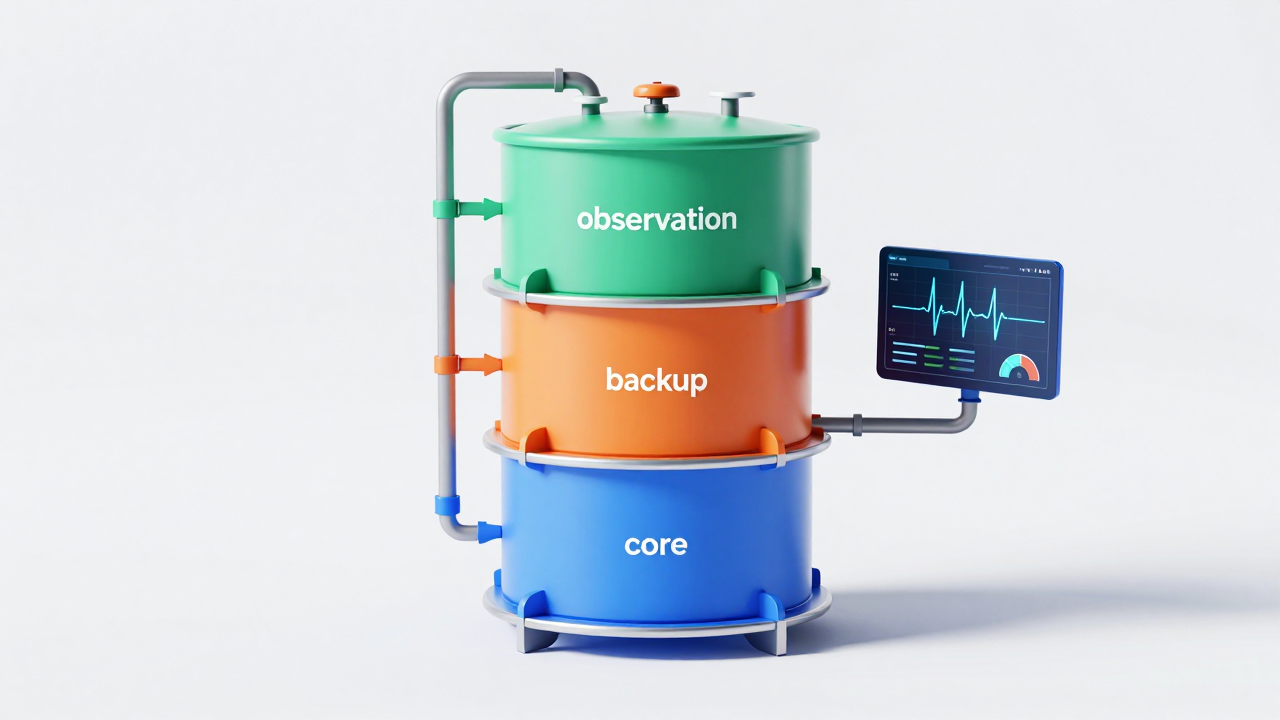
We recommend structuring the resource pool into three tiers: the Core Pool (high activity, verified numbers), the Backup Pool (moderate activity, usable numbers), and the Observation Pool (newly onboarded or low-activity numbers). For quota allocation, we suggest a 7:3 ratio between mainstream platforms and long-tail platforms.
Dynamic Health Monitoring and Deactivation Alerts
Number deactivation is the biggest risk in any verification resource pool. Mature cross-border tool providers in 2026 use automated scripts to run daily health checks and track the second verification pass rate. Here is the industry consensus: when the pass rate drops below 40%, that batch of resources should enter the phase-out process.
Dynamic health monitoring can detect early warning signs 3-7 days before mass deactivation. Providers should set alert thresholds to avoid sudden supply disruptions.
A cautionary tale: one operation without any alert system lost 60% of its usable resources within 24 hours after a platform tightened its risk controls, bringing business to a halt.
Multi-Channel Replenishment and Low-Cost Rolling Reserves
Relying on a single acquisition channel for verification numbers carries significant risk. For 2026, we recommend building a combined model of "in-house channels + secondary channels + outsourced channels." The replenishment trigger point is when core pool activity drops below 60%, which automatically activates a refill task.
The core of a low-cost rolling reserve strategy is demand-based replenishment, not bulk hoarding. Cross-border tool providers who allocate 20%-35% of their monthly budget to testing the observation pool can significantly reduce the cost per number.
Compliance Boundaries and Risk Control
In 2026, markets in Europe, the US, and Southeast Asia continue to tighten compliance requirements around verification code reception. Cross-border tool providers need to pay close attention to data privacy regulations, particularly how GDPR and CCPA restrict number holder consent and data usage purposes.
Verification code reception without explicit number holder authorization carries significant compliance risk. Providers should clearly define authorization scope, data retention periods, and deletion mechanisms in their agreements.
Action steps: establish a resource sourcing audit trail, sign digital agreements with partner verification providers, and retain authorization records for at least 12 months.
Provider Comparison and Selection Decisions
The decision between building an in-house resource pool and relying on third-party providers depends on team size and risk appetite. From the industry practices we observe in 2026, smaller teams typically lean on service providers to scale quickly.
When selecting a third-party verification management provider, prioritize their compliance authorization completeness and deactivation replacement turnaround. These two metrics directly determine business continuity.
| Management Dimension | In-House Resource Pool | Third-Party Provider (e.g., Getfollow) | Hybrid Model |
|---|---|---|---|
| Flexibility | High | Medium | High |
| Initial Cost | High | Low | Medium |
| Risk Control | Strong | Medium | Strong |
| Ideal For | Large Teams | Individual Operators | Growing Teams |
When evaluating providers, focus on these key criteria: number of countries covered, deactivation replacement speed, compliance authorization documentation, and API integration stability.
What is the biggest challenge in managing an SMS verification number resource pool?
The core challenge is maintaining a dynamic balance between supply and consumption. In 2026, platform risk control rules are updated more frequently, causing significantly faster resource deactivation rates. Providers need constant monitoring and rapid replenishment capabilities.
What is the average retention rate for SMS verification number resources?
Industry data consistently shows monthly retention rates ranging from 50% to 70% in 2026. A retention rate below 50% indicates issues with your resource management workflow.
How do I choose a reliable SMS verification service provider?
Focus on three metrics: complete compliance authorization coverage, deactivation replacement turnaround within 24 hours, and easy-to-integrate API documentation. Getfollow offers a solid practical reference for resource tiering and compliance authorization.
What compliance issues should I watch out for when managing verification number resources in 2026?
You need to stay aware of GDPR, CCPA, and telecommunication regulations in your target markets. Number holder authorization, data deletion procedures, and usage boundaries must be clearly defined.
How can an individual operator build a verification number resource pool on a tight budget?
Start with outsourced channels, allocate 10%-15% of your budget to test the observation pool, and gradually build trusted relationships with your in-house verification providers to reduce long-term costs.
In essence, managing an SMS verification number resource pool for cross-border tools is a data-driven resource operation system. In 2026, establishing a clear tiered architecture, dynamic monitoring, and compliance safeguards ensures that account verification never becomes a bottleneck for your business. Our advice: start with a full audit of your current resources, then gradually introduce automated replenishment logic to achieve a stable and predictable supply capacity.