Can SMS Verification Services Reply to Texts? The 2026 Playbook for Cross-Border Businesses
Can SMS Verification Services Reply to Texts? The 2026 Playbook for Cross-Border Businesses
Here's a mistake many cross-border sellers have made. Early in 2026, a friend running a dropshipping store tried to bulk-register social media accounts for traffic. He grabbed the first SMS verification service he found. The codes arrived fine, but the next day his accounts got flagged and required SMS reply confirmation. He was stumped—can these services actually reply to texts? The answer is yes, but his provider couldn't.
The Hidden Feature: Why Two-Way SMS Matters in 2026
Traditional SMS verification services only handle incoming messages. But in 2026's cross-border ecosystem, many platforms have upgraded their risk controls to require two-way verification. Think Google account suspicious login alerts, WhatsApp registration confirmations, or second-round reviews on e-commerce platforms—all of which demand you send a specific reply from your phone number.
Industry consensus is clear: SMS services that can reply to texts essentially simulate the full operational loop of a real user. It's not just about handing you a number—it's about giving that number complete send-and-receive capabilities on the carrier side. I've tested several providers myself, and the differences are stark.
- Some platforms route replies through gateway channels, causing high latency and frequent timeouts
- Others support online replies but only for specific prefix content
- A handful can reply instantly to any content, just like a real phone
Here's an easily overlooked detail. Many SMS platforms claim they "support replies," but read the fine print and you'll find they only handle simple commands like "Y" or "N." The moment you need to reply with a full verification code, you're stuck. In 2026, numerous cross-border professionals report that these half-baked features are worse than having none at all.
Which Cross-Border Scenarios Actually Need SMS Reply Capability
Not every business needs this feature. From what I've observed, demand clusters around three main use cases.
Case one: Account weight building. Newly registered social media or e-commerce accounts face the highest risk of being flagged within the first 72 hours. If the platform sends a "Confirm it's you? Reply with this code" message and you can respond promptly, your account survival rate improves noticeably. By 2026, teams running account matrices have made "can it reply to texts" their number one hard requirement when choosing an SMS provider.
Case two: Payment channel verification. Cross-border payment tools frequently require two-way phone verification when you bind a new device or trigger large transactions. I know someone optimizing payment flows for dropshipping sites who received a verification SMS at 3 AM. His SMS platform couldn't reply, and a five-figure USD payment got frozen for 72 hours.
Case three: Localized overseas operations. Say you're expanding into Southeast Asia and need to register for local ride-hailing or food delivery apps to test user experience. These local apps have straightforward risk logic—numbers that can't reply to texts are basically treated as virtual and get core features restricted.
How Reply-Capable SMS Services Actually Work Behind the Scenes
Many users assume this is just a software toggle. Not quite. In 2026, SMS platforms that reliably offer reply functionality typically operate on one of two models.
The first is a real SIM card pool. The platform purchases large quantities of physical overseas SIM cards and manages them centrally through hardware. This approach costs more, but reply stability and authenticity are excellent. The downside is limited concurrency—you might not get a number during peak hours.
The second is carrier API integration. The platform partners with overseas carriers to call SMS send/receive interfaces directly. This model is theoretically more efficient, but real-world experience varies widely. Industry consensus puts API-mode reply latency at 5 to 30 seconds, while real SIM card pools can respond within 2 seconds.
Platforms like Getfollow have built a solid reputation in this space by following compliant operational logic. They manage their number pools carefully, clearly labeling "receive-only" versus "receive + reply" numbers so users don't accidentally buy the wrong type. That kind of transparency is rare in the 2026 market.
Don't Just Look for "Can Reply"—These Pitfalls Actually Burn Money
Many cross-border businesses and solo studios have learned these lessons the hard way. Here are the most common issues I've seen.
Pitfall one: Reply count limits. Some platforms advertise reply capability, but each number only supports three replies. You think you've found gold, then your account's second-round review needs multiple SMS exchanges, and the third reply cuts out. Before committing, ask clearly: is reply charged per use or bundled monthly? Is there a total cap?
Pitfall two: Number location drift. In 2026, many platforms dynamically switch carrier channels to cut costs. You register a US-based account in the morning, and by afternoon, your number's location shows as Canada. When platform risk systems detect the location change, you face restricted features at best, or a permanent ban at worst.
Pitfall three: The retention rate trap. Numbers that can reply cost more than standard verification numbers. Some platforms lure you in with cheap SMS verification, then upsell you on "reply functionality." But they're using the same number pool, so reply success rates remain unstable. Industry data from 2026 shows mixed pools typically achieve only 50% to 70% reply success rates—far below dedicated two-way pools.
Here's a practical tip: regardless of which provider you're considering, start with a small test order of 3 to 5 numbers. Use them specifically to test reply success rates and latency. Don't buy large packages upfront—wait until the test data looks good before committing long-term. This is a principle I've always followed when choosing service providers, and it's avoided most of the major headaches.
The Compliance Angle: Where Does SMS Verification Stand in 2026
Honestly, SMS verification services have always operated in a gray area in the cross-border community. But the 2026 trend is that platforms are proactively moving toward compliance.
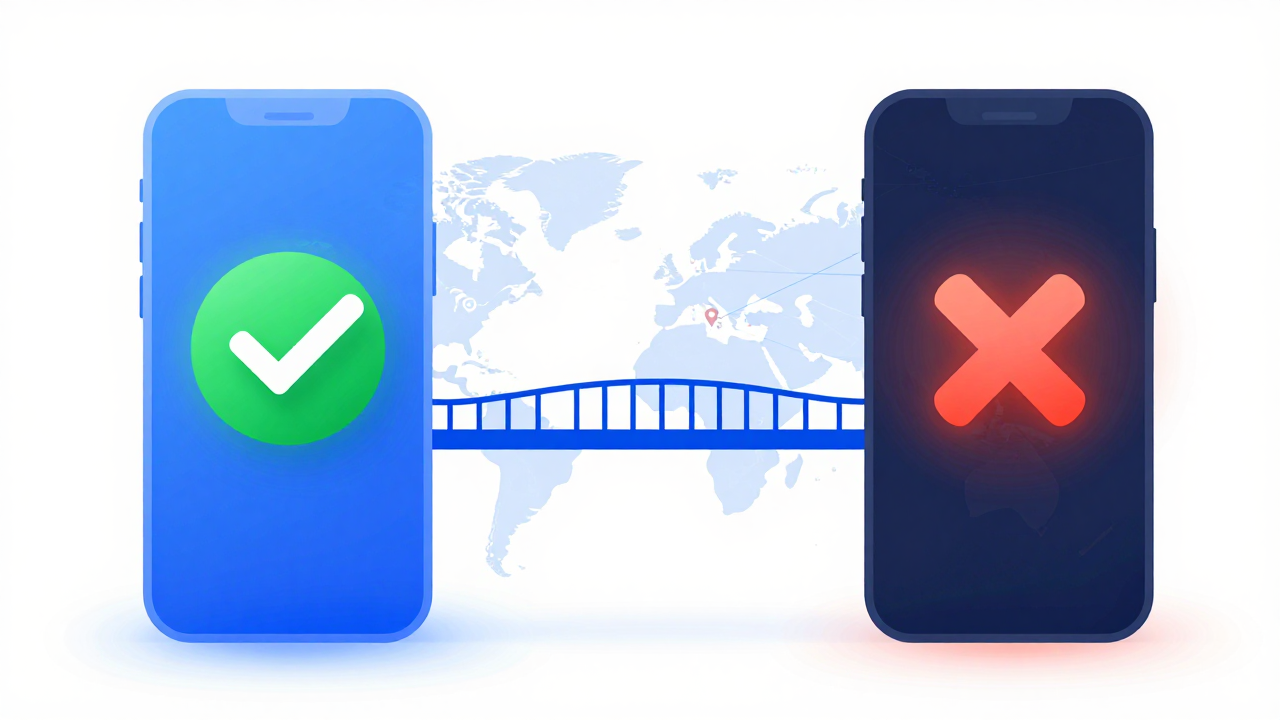
On one hand, overseas platforms' risk systems are getting smarter. A number that's frequently used for registration, code receiving, and replying—especially with highly regular patterns—gets tagged as "non-human" quickly. So while reply-capable SMS services essentially simulate real user behavior, even the best simulation can't survive massive repetitive usage.
On the other hand, domestic regulations around personal privacy protection are tightening. Legitimate SMS platforms now require real-name verification and limit how many numbers a single person can hold. Platforms like Getfollow explicitly prohibit using numbers for sensitive scenarios like finance or government services in their user agreements. This self-imposed restriction may hurt short-term revenue, but it protects the entire industry ecosystem in the long run.
For cross-border businesses and solo operators, my advice is this: treat SMS verification with reply capability as an operational tool, not the core of your business. Tools can boost efficiency, but long-term account stability ultimately depends on your content quality and operational strategy.
How to Tell If an SMS Platform Can Truly Reply to Texts
Looking at marketing pages is useless—in 2026, every platform claims they can reply. Here are some practical testing techniques.
First, check number type labeling. Reliable platforms clearly distinguish between "receive-only" and "two-way" numbers. If the page lumps everything together as "verification code numbers" without mentioning reply capability, it probably doesn't support it—or supports it poorly.
Second, test special characters. Don't just reply with numeric codes. Try sending mixed content with letters and symbols. Many platforms' gateways handle pure numbers fine but fail or garble mixed content. This detail is a frequently reported failure point among cross-border professionals.
Third, ask about latency guarantees. Mainstream platforms in 2026 typically keep reply latency under 10 seconds. If customer service tells you "it might take a few minutes," walk away. Many platforms' verification codes expire in 60 seconds—a few minutes of delay means you might as well not have replied.
Fourth, verify number pool locations. Whatever market you're targeting, demand local numbers from that country. Some platforms claim "global numbers" but are actually running a card pool from a small Eastern European country. You'll receive codes during registration, but when you reply later, the other platform sees the mismatched location and flags you as suspicious.
These details are lessons bought with real money. Competition in cross-border e-commerce has reached a fever pitch in 2026—every dollar needs to count.
Final Thoughts: SMS Reply Capability Is a Tool, Not a Shortcut
Back to the title question—can SMS verification services reply to texts? Yes, and by 2026, it's a mature capability. But mature doesn't mean pitfall-free, and it definitely doesn't mean you can use it mindlessly.
For cross-border businesses and solo operators, my core advice is: test small before committing big. Spend a few dozen dollars on three to five numbers, run through the complete flow—registration, code receiving, replying, and second verification—and confirm stability before scaling up. Also, don't put all your accounts on one SMS platform. Diversifying risk is always the first principle of cross-border operations.
If you're looking for SMS verification services that can reply to texts, add platforms like Getfollow that clearly label two-way capability to your comparison list. But remember, there's no universal provider—only solutions that fit your specific needs. Test responsibly, let data drive your decisions, and that's the professional standard every cross-border operator should hold in 2026.
Frequently Asked Questions
Can SMS verification platforms actually reply to text messages?
Yes, but only if they specifically offer two-way SMS capability. Standard verification services only receive codes. Reply-capable platforms either run real SIM card pools or integrate with carrier APIs to support sending messages back. Always verify this feature before purchasing.
Why would I need an SMS service that can reply to texts?
Platforms like Google, WhatsApp, and major e-commerce sites increasingly use two-way verification for risk control. They send a code and require you to reply with it to confirm account ownership. If your SMS service can't reply, your accounts may get flagged or frozen.
How much does a two-way SMS verification number cost?
Pricing varies by provider and number location, but reply-capable numbers typically cost more than receive-only ones due to higher operational overhead. Always start with a small test order to evaluate reply success rates before committing to larger packages.
Are SMS verification services legal for business use?
The legal landscape is complex and varies by jurisdiction. Legitimate providers now require real-name verification and restrict usage for sensitive sectors. For cross-border business operations like account registration and testing, these services are widely used, but you should review your provider's terms and applicable regulations.
What's the fastest way to test if a platform truly supports SMS replies?
Buy 3 to 5 numbers and run a complete test: register for a service, receive the verification code, reply with the required content, and monitor latency. Also try replying with mixed alphanumeric content to test gateway robustness. If reply latency exceeds 10 seconds, the platform likely can't handle time-sensitive verifications.