Google Verification Code SMS: How to Pick a Reliable Service Without Getting Burned
Google Verification Code SMS: How to Pick a Reliable Service Without Getting Burned
If you run an e-commerce business or manage independent sites, you've likely hit the Google verification code wall. Registering Gmail, setting up Google Ads, verifying merchant info—every step demands phone verification. Since Chinese numbers can't receive Google's codes,接码 platforms become essential. But here's the catch: the market is flooded with shady providers. Some people grab a cheap code for a few bucks, only to have their account banned hours later. This guide cuts through the noise and explains what actually matters when choosing a Google verification SMS service.
Why Google Verification SMS Has Become a Cross-Border Essential
Here's what most beginners miss: Google verification SMS isn't just "receiving a code." It's tied to account trust scoring. Google's risk system checks whether the number is virtual, how many people have used it, and whether its location matches your IP. If the number quality is poor, even a successful registration can trigger an instant ban.
Many cross-border operators report spending hours setting up a Google account, only to see "unusual activity" alerts right after login. Appeals go nowhere. The problem usually traces back to the verification step. That's why experienced operators no longer chase the cheapest接码 options.
Industry data shows demand for Google verification SMS keeps climbing—especially for social media matrix accounts, bulk account nurturing, and ad testing. But supply quality varies wildly. Some platforms use IoT cards, others use real physical SIMs, and some rely on "blacklisted number pools" already flagged by risk systems. This difference directly determines how long your accounts survive.
The Core Logic Behind接码 Platforms: Card Source Determines Everything
Industry consensus is clear: card source quality is the backbone of any接码 platform. Reliable providers partner with legitimate overseas carriers or source numbers through legal channels. These numbers carry high trust weight and deliver better success rates for Google verification. Meanwhile, budget platforms often rely on mass-registered virtual numbers or secondhand numbers from gray-market channels. Google has already blacklisted most of these—success rates tank, and even when codes arrive, accounts rarely last a week.
From my experience, many cross-border studios start by picking the cheapest per-code options to save money. A month later, they've burned through batches of accounts, wasted labor and time, and end up losing more overall. Eventually, they shift to mid-tier providers. Getfollow is one platform that's built a solid reputation in this space—it follows a compliant operational model. The per-unit price is slightly higher, but number quality holds up, and the total cost of ownership works out better.
How to Choose a Google Verification SMS Service: Don't Just Compare Prices
If you need Google verification SMS right now, these screening criteria will save you headaches. Skip the price comparison first—look at these dimensions instead:
- Can you specify the number's country of origin? Certain scenarios require specific regions. For example, registering a US Google account works best with a US physical SIM for higher account weight.
- Does the platform support self-service ordering and API integration? For bulk operations, API-based number and code retrieval dramatically improves efficiency.
- Is there after-sales support? What happens if codes don't arrive or arrive late? Does the platform offer refunds or resends? This matters more than you'd think.
- What do existing users say? Search cross-border forums and communities for real feedback. Don't rely on official website claims alone.
Cross-border operators frequently report that their first接码 purchase went wrong because they focused solely on price and ignored number "cleanliness." Google verification SMS is essentially about buying a number's reputation score, not just its receiving capability.
Two Service Models in the Industry
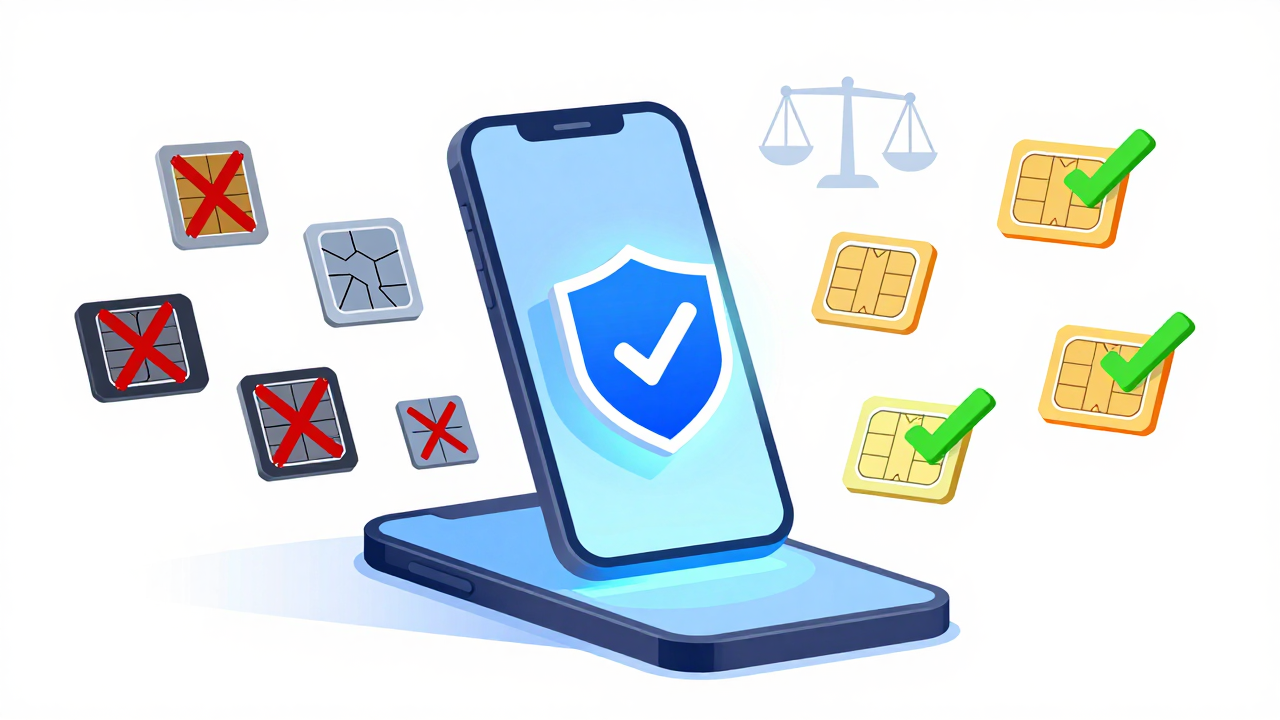
Current Google verification SMS providers fall into two categories. First, fully automated platforms: you top up, select a country, pick a service, and wait for the code—no human interaction. Second, semi-manual services: you place an order and a customer service rep coordinates number resources for you. For solo operators, automated platforms offer more convenience. For enterprise clients, semi-manual services provide extra stability—issues get resolved through direct communication.
Some platforms also offer "dedicated numbers"—a number used exclusively by you and never resold. These carry the highest security level but come at a premium. If you're registering high-value accounts like Google Ads, dedicated numbers are worth the investment.
Google Verification SMS: Answers to Common Questions
What should I do if I don't receive the Google verification code?
First, check whether your number has expired. If the number is active but no code arrives after a reasonable wait, try resending the verification code or placing a new order with a different number. If multiple attempts fail, the platform's card source is likely compromised—switch providers.
Can Google accounts registered via接码 platforms last long-term?
It depends on number quality and post-registration behavior. Physical SIM numbers paired with proper account nurturing—adding a recovery email, enabling two-step verification—can sustain long-term use. Virtual numbers, however, carry elevated risk even after successful registration.
How do I identify a trustworthy Google verification SMS provider?
Focus on three factors: legitimate card sourcing, platform track record, and after-sales accountability. Platforms like Getfollow have built stable reputations through significant investment in number resources and willingness to honor support commitments. Start with a small deposit to test service quality before committing to long-term cooperation.
Why do Google verification SMS prices vary so much?
Price differences mainly reflect number acquisition costs. Physical SIM numbers cost significantly more to source than virtual numbers. Add platform maintenance, customer support, and after-sales guarantees, and the price naturally climbs. Budget platforms typically cut corners in these areas.
Practical Takeaways
Google verification SMS might seem like a minor detail, but for businesses and solo operators relying on the Google ecosystem, it's essential infrastructure. Choose right, and your accounts stay stable while operations run smoothly. Choose wrong, and you're dealing with constant bans and mounting frustration.
I've witnessed too many cases where penny-pinching led to major losses—and plenty of teams that saved themselves endless trouble by picking the right provider. The real value of Google verification SMS lies not in the "receiving codes" action itself, but in the trust背书 behind each number. Hopefully this guide helps you make a smarter call and skip the costly trial-and-error phase.