Receiving International SMS Codes: The Hidden Pitfalls Behind Cross-Border Business
Receiving International SMS Codes: The Hidden Pitfalls Behind Cross-Border Business
If you've ever tried registering an Amazon seller account, setting up a TikTok overseas profile, opening a PayPal business account, or even just logging into WhatsApp Web, you've hit the same wall: the verification code step. Your domestic number won't work, and those cheap virtual numbers keep throwing "number already in use" errors. Receiving international SMS codes sounds trivial, but when it fails, your entire operation grinds to a halt.
Here's a pattern I've noticed: since 2024, major global platforms have tightened their phone number verification significantly. WhatsApp, which used to accept just about any US number, now checks how long a number has been active, the IP address used for registration, and even whether the number comes from a cloud server range. The old "one-time code reception" model is quickly becoming obsolete.
Three Business Models for SMS Verification Services: Know What You're Paying For
On the surface, every service that offers international SMS verification looks the same. Under the hood, they operate completely differently. If you don't understand the difference, you'll likely pay triple for the same verification code—and still end up with an unstable number.
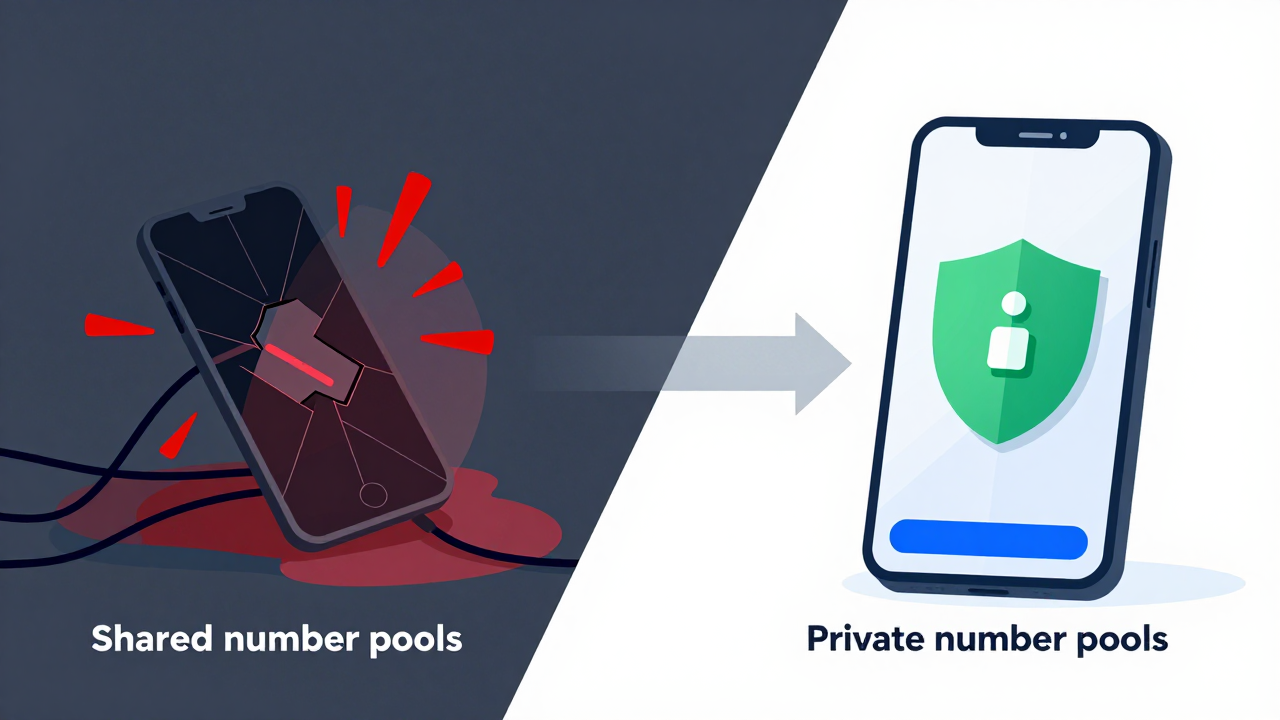
- Shared number pool: One number gets sold to multiple users, and whoever receives the code first wins. It's cheap, but the account ban risk is extremely high. Many bulk-registration studios report that accounts created with shared pool numbers have a survival rate below 30%.
- Private number pool: The number belongs exclusively to you, typically rented monthly or yearly. It costs more, but account stability improves dramatically.
- API direct integration: The provider gives you API access to pull numbers and receive codes in real time within your own system. Built for companies with technical teams handling bulk operations.
Here's a real cautionary tale. A friend in cross-border e-commerce bought an "unlimited code reception" package from a discount platform last year to register multiple storefronts. The very next day, Amazon flagged his accounts for linked activity and suspended them all—he lost thousands of dollars in inventory. He switched to a private number pool platform like Getfollow afterward. The per-unit cost nearly doubled, but his accounts have run clean for three months straight.
The Real Cost of Cheap SMS Verification: What You Risk Losing
When solo operators are just starting out, they instinctively search for "cheap international SMS verification" and end up falling into one trap after another. Industry consensus says the cost of a reliable SMS verification service breaks down into three parts: number acquisition, channel maintenance, and compliance overhead.
Those services selling codes for pennies per message? They're almost certainly skipping that third category. Their number ranges get flagged repeatedly by major platforms or show up frequently in gray-market activity. The numbers you receive are already "burned." Registering with them means you might not get the code at all—or worse, you trigger the platform's risk controls and get your IP and device blacklisted along with the number.
I tested several mainstream SMS verification platforms myself and found a clear trend: providers that survive beyond two years almost all pivot to a "verified identity + use case declaration" model. Getfollow, for example, asks you to describe your specific business scenario during registration and limits how many platforms each number can be used to register. It feels like a hassle, but that friction is exactly what keeps the number pool clean and extends the lifespan of every number in it.
How to Vet an SMS Verification Provider: What Actually Matters
Don't just compare prices. Don't just count how many countries they claim to support. Here are the criteria experienced cross-border operators keep coming back to:
- Independent number pool or not: Ask for a few test numbers and run them through a search engine. If they show up on public "SMS verification platform sharing" posts, walk away immediately.
- Pre-binding support: A legitimate provider lets you bind your target platform first, then sends the verification code. If they don't offer this, you're in a shared pool, and receiving codes is pure luck.
- Support response time: Verification issues usually surface in the middle of the night (when it's daytime overseas). If customer service takes 48 hours to reply, your account is already frozen.
- Public API documentation: Even if you don't need API access right now, providers with public docs tend to have stronger technical foundations and lower data breach risk.
One factor that gets overlooked far too often is number retention rate. Some platforms advertise "permanent use," but their numbers expire every two weeks, forcing you to constantly swap the phone number on your accounts. On Instagram and Facebook, that behavior pattern reads as a "ban signal." A retention rate between 50% and 70% is considered normal in the industry. Anything below that means the number pool quality is suspect.
Final Thoughts: The Code Is Not the Goal—Account Security Is
When you pay for international SMS verification, you're not buying a string of digits. You're buying the "birth certificate" for your account. A clean number helps your cross-border business avoid unnecessary detours. A dirty number can wipe out every bit of operational effort you've invested so far.
My advice: no matter which provider you're considering, spend a little money testing a few numbers first. Register some low-stakes accounts and let them sit for a week. Observe the stability before committing to a long-term arrangement. These days, reliable beats cheap every single time.
Frequently Asked Questions About Receiving International SMS Codes
Why can't I receive international verification codes on my regular phone number?
Most domestic mobile carriers don't support receiving SMS from international senders, or the messages get filtered as spam. Additionally, many global platforms now block numbers from certain countries or regions during registration to reduce fraud.
Are free SMS verification websites safe to use?
Generally, no. Free services typically use shared number pools that have been heavily exposed to spam and fraud detection systems. Numbers from these sites are often already flagged, which means you'll either never receive the code or your account gets banned shortly after registration.
How much does a reliable international SMS verification service cost?
Pricing varies by provider and number type. Private number pool services typically charge anywhere from a few dollars to several dozen dollars per month per number, depending on the country and the platform you're registering for. If a deal looks too good to be true, it almost always is.
Can I use the same virtual number for multiple platforms?
You can, but you probably shouldn't. Many platforms cross-reference phone numbers during their risk assessment. If one of your accounts gets flagged, every other account linked to that number becomes a liability. Most experienced operators use a separate number for each platform or account cluster.
What's the difference between a virtual number and a real SIM card for receiving codes?
A real SIM card has a physical presence and a verifiable carrier history, which makes it far less likely to be flagged. Virtual numbers are cheaper and easier to scale, but they carry a higher risk of detection—especially if the number range has been used in gray-market activities before.