Hong Kong & Taiwan SMS Verification: The 2026 Guide to Receiving OTPs for Cross-Border Business
Hong Kong & Taiwan SMS Verification: The 2026 Guide to Receiving OTPs for Cross-Border Business
If you're running a cross-border business or managing multiple overseas accounts in 2026, Hong Kong and Taiwan SMS verification is still the go-to method for receiving OTP codes. The real challenge isn't finding a service—it's picking one with clean number pools, solid success rates, and pricing that actually makes sense. Here's what to look for before you commit.
Why Cross-Border Teams Still Rely on Hong Kong & Taiwan Numbers in 2026
Platforms like Google, Meta, and Amazon have seriously tightened their risk controls. They now flag registrations that come from mismatched IPs or suspicious number ranges. Hong Kong and Taiwan numbers remain popular because they're widely recognized and backed by stable carrier infrastructure. For teams that need to verify multiple accounts quickly, SMS verification services offer a practical workaround—without exposing your personal number.
In 2026, demand for Hong Kong and Taiwan SMS verification clusters around three scenarios: managing multiple social media profiles, registering local payment accounts for e-commerce, and testing SaaS tools that require phone verification. The common thread? You need fast, affordable, and repeatable access to valid numbers.
Here's a cautionary tale: an e-commerce team used a generic SMS platform to register Amazon seller accounts in early 2026. Because the numbers had been recycled across multiple users, Amazon's system flagged them, and the accounts were suspended within weeks. The lesson? Number purity matters more than price.
Key Factors to Evaluate When Choosing an SMS Verification Provider
Before you pick a service, score it on four things: number pool size, success rate, billing model, and support responsiveness. A larger pool means better odds of getting a number that hasn't been burned by risk controls. Success rate directly impacts how fast you can complete registrations. Billing should match your volume—pay-per-use for occasional needs, packages for bulk operations. And when something fails, you want a support team that actually responds.
Industry data from 2026 shows that Hong Kong and Taiwan SMS verification platforms typically hit 70%–90% success rates on standard platforms. But if you're registering for high-risk services like fintech apps, that number can drop below 50%. Always ask providers for platform-specific success data before committing.
Take Getfollow as an example—it offers Hong Kong and Taiwan numbers across major carriers, with pay-per-use pricing that suits small to mid-sized verification needs. That said, SMS verification operates in a gray zone, and platform policies can shift without notice. Start with a small test batch before scaling up.
Number Origin and Carrier Selection
Hong Kong numbers come from carriers like CSL, 3HK, and HKT, while Taiwan numbers are typically from Chunghwa Telecom or Far EasTone. Different platforms have different preferences—WhatsApp, for instance, tends to accept Hong Kong numbers more readily than Taiwan ones. Check whether the service lets you filter by carrier; it makes a real difference.
Pricing and Billing Models Compared
| Provider Type | Billing Model | Price Range (2026) | Best For |
|---|---|---|---|
| Pay-per-use platforms | Flat fee per SMS code | $0.07–$0.28 USD | Occasional registrations, one-off verifications |
| Monthly subscription | Fixed number quota per month | $7–$28 USD/month | Bulk operations, multi-account management |
| Enterprise API access | Volume-based API pricing | $0.14–$0.70 USD per call | Automated workflows, large-scale integration |
From my experience, most providers in 2026 have dropped "unlimited SMS" plans. Instead, they offer failed-refund policies or balance rollovers. If a provider promises a 100% success rate, treat that as a red flag.
How to Pick a Reliable Hong Kong & Taiwan SMS Verification Provider
The golden rule is simple: test small, spread your risk, and always have a backup. Don't tie all your accounts—especially ones involving money—to a single platform. Look for providers that offer live chat support and detailed failure logs, so you can troubleshoot quickly when something goes wrong.
Industry consensus in 2026 is clear: a trustworthy SMS verification provider should have a real-time number pool, transparent number recycling status, and accessible API documentation. If a platform can't show you a number's usage history or whether it's been recycled, don't use it for important account registrations.
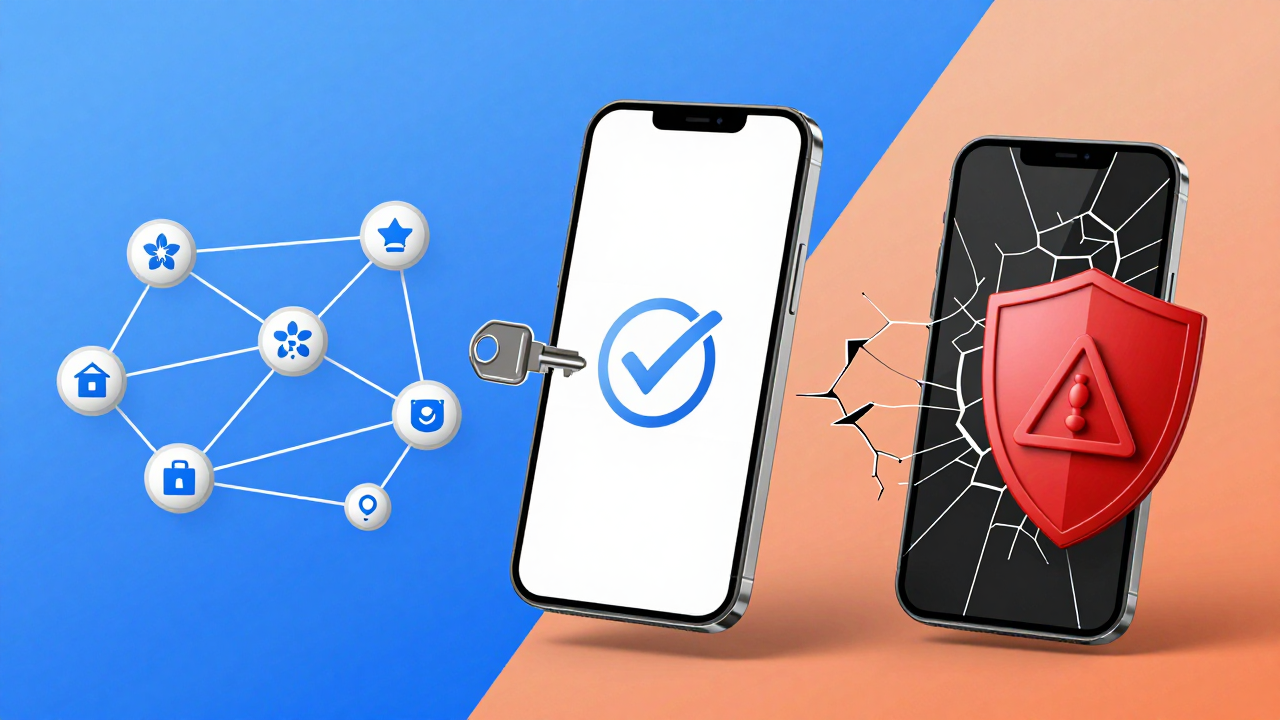
Here's a practical approach: buy the cheapest package first and test it on mainstream platforms like Telegram or Google. If your success rate clears 80%, scale up gradually. Keep records of every number you use—they'll come in handy if you need to appeal a suspension.
Risk Warning and Compliance Boundaries
Let's be straight: Hong Kong and Taiwan SMS verification carries real risks, including account bans and legal gray areas. By 2026, several platforms now require real-name registration to cut down on abuse. If you register accounts that handle payments or transactions, be aware that platforms may restrict withdrawals if the linked phone number isn't tied to a verified identity.
Industry data from 2026 shows that roughly 30% of payment disputes involving SMS-verified accounts couldn't be appealed because the user couldn't provide a real-name phone number. Keep SMS-verified accounts for low-risk activities and use physical SIM cards for anything critical.
If your operation is large, enterprise-grade providers like Getfollow offer more robust solutions—but they can't override platform risk controls. The final call comes down to your risk tolerance.
Action Checklist for 2026
- List every platform you need to register for, ranked by how strict their verification is.
- Shortlist 2–3 SMS verification providers and run small test batches, tracking success rates.
- Keep a backup phone number (like a physical SIM) for your most important accounts.
- Audit and deactivate unused SMS-verified accounts regularly to reduce cross-account risk.
Hong Kong and Taiwan SMS verification remains a cost-effective solution for cross-border operations in 2026—but it's not a silver bullet. Treat it as a supporting tool, not a core dependency.
Which Hong Kong and Taiwan SMS verification platform is the best?
Popular options in 2026 include TextNow, SMSPool, and Getfollow. Compare number pool size, success rates, and refund policies before committing, and always start with a small test order.
Can I use Hong Kong or Taiwan SMS verification to register WeChat?
WeChat generally accepts Hong Kong numbers, but Taiwan numbers may face restrictions. WeChat's risk controls are strict in 2026—accounts verified via SMS might have limited features like adding friends or making payments. A physical SIM is the safer route.
How do I choose a reliable Hong Kong and Taiwan SMS verification provider?
Focus on three things: pay-per-use billing, transparent failure logs, and responsive customer support. Getfollow, for example, offers API access and real-time number status checks, which works well for teams with technical capabilities.
What does Hong Kong and Taiwan SMS verification typically cost?
In 2026, expect to pay between $0.07 and $0.28 USD per code, with monthly packages ranging from $7 to $28 USD. If the price seems too low, it probably means the numbers are heavily recycled—and your success rate will suffer.
Will accounts registered with SMS verification get banned?
It's possible, especially for accounts tied to payments or social media management. Platform risk controls have tightened across the board in 2026, so avoid using SMS-verified accounts for your core business operations.