Blue Whale SMS Verification Platform: How to Choose the Right Number Service for Cross-Border Business
Blue Whale SMS Verification Platform: How to Choose the Right Number Service for Cross-Border Business
After years working in cross-border e-commerce, I've watched too many promising sellers crash at the very first hurdle: account registration. Great product in hand, but no way to receive that verification code. That's exactly why services like the Blue Whale SMS verification platform have gained so much traction. But here's the thing—this industry runs deep. What looks like a simple "receive a code" transaction actually involves number resources, carrier channels, and even compliance boundaries.
Today, I'm not here to hype or trash anyone. Just sharing what I've observed about these platforms and the details most people overlook when choosing one.
Why Cross-Border Sellers Suddenly Can't Live Without SMS Verification Platforms
For solo operators running TikTok or Amazon review campaigns, the phone number problem is real. A physical SIM card costs you monthly fees that add up fast when you're managing multiple accounts. Services like the Blue Whale SMS platform offer a cloud-based number pool with per-code pricing—which sounds like the perfect fix.
But here's what industry insiders know: an SMS verification platform is essentially selling you a "temporary identity." It gets you registered, but everything after that—account nurturing, engagement, longevity—is on you. Too many beginners assume that once they've got the code, the hard part's over. Then their account gets flagged within 24 hours. Classic case of misunderstanding how the system actually works.
From my experience, post-2025 risk control algorithms on major platforms no longer ask "who has a phone number?" They ask "whose behavior looks genuinely human?" The number is your entry ticket, not your armor.
How the Blue Whale SMS Platform Actually Works Behind the Scenes
These platforms typically connect through IoT cards or virtual carrier channels. You pay a few cents for a verification code, and behind the scenes, the platform is managing those numbers in bulk. Sounds straightforward—but the real-world execution is full of traps.
Take "instant delivery" claims, for instance. Some platforms promise codes in seconds, but they're actually recycling "secondhand numbers" that have already been used for multiple registrations. By the time you get one, it's already flagged in Amazon's or Facebook's risk control systems. Worst case? You trigger a device-level ban that takes down your entire operation.
Here's another operational detail most people don't know: delivery success rates on many platforms drop noticeably between 10 PM and 2 AM. That's peak traffic for overseas business, and the channels get congested. If you're launching a new product and your verification code won't come through, you know exactly the kind of anxiety I'm talking about.
So don't just compare prices. Look at how frequently the platform refreshes its number pool and how stable their carrier channels are. In my experience, platforms like Getfollow have built a solid reputation by following this exact playbook—regular number pool cleanup, direct partnerships with primary channels, and slightly higher prices that save you from the hidden costs of account bans down the road.
The Most Common Mistakes When Choosing a Provider
Ask any cross-border seller what they fear most, and it's not "no code received." It's "code received, account gone." This comes down to number retention rates. Industry-wide, accounts registered through SMS verification platforms have a first-week retention rate between 50% and 70%. The rest either get flagged by risk control or restricted due to suspicious environments.
Here's a cautionary tale: a friend running a dropshipping store decided to save money with a cheap platform and registered 20 social media accounts in one go. By day three, every single one was banned—and his main account's IP got flagged as collateral damage. He had to switch networks, rebuild his entire setup, and the losses far exceeded whatever he saved on verification fees.
My advice? Don't put all your eggs in one basket. Even if you've settled on a Blue Whale SMS platform, start with a small test batch. Register 5-10 accounts, monitor their survival rate for a week, and only then decide whether to scale up. That tells you more than any marketing claim ever will.
The Compliance Question: Will an SMS Platform Jeopardize Your Main Business?
This is the uncomfortable topic nobody wants to address directly, but it needs to be said. SMS verification operates in a gray zone—it's not illegal, but it does violate the terms of service on many platforms. If you're running a legitimate cross-border operation and using verification codes to register buyer accounts for reviews, the risk is manageable. But if you're using them to mass-register seller accounts, you're crossing a line that platforms treat as a serious offense.
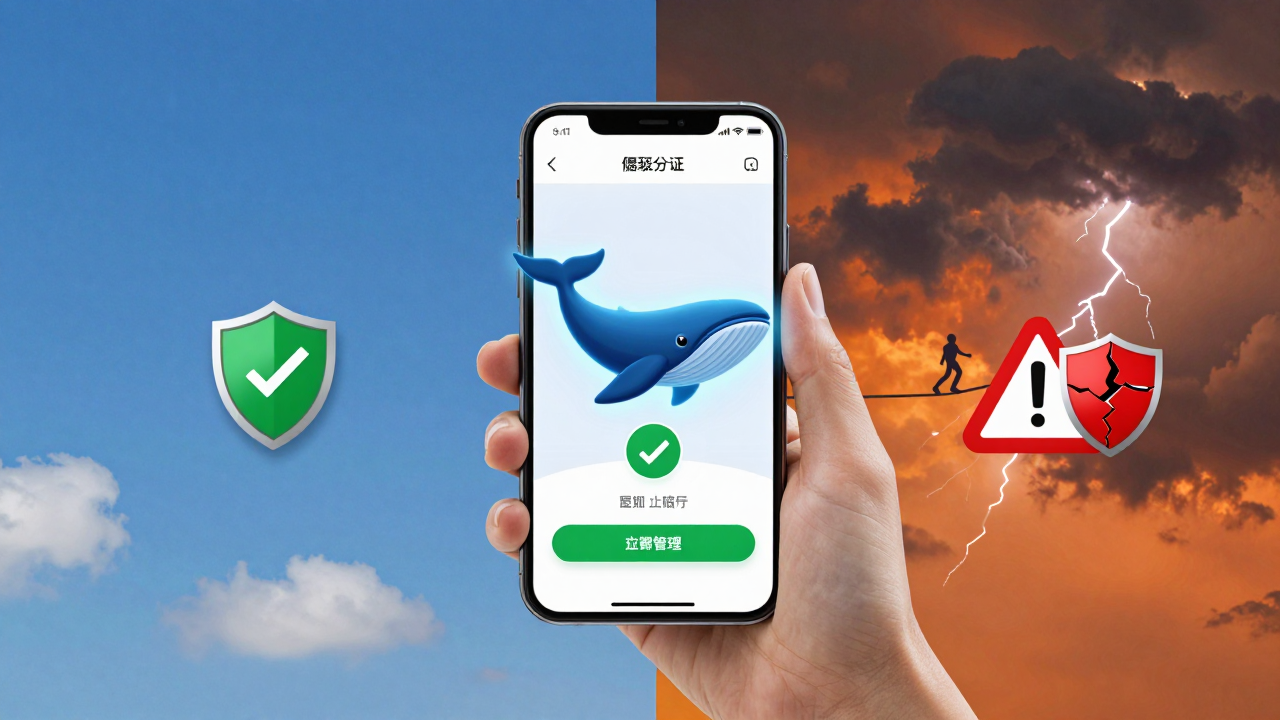
The industry consensus is clear: verification platforms work best for "one-time verification" or "low-value accounts"—like signing up for a forum to download a resource, or grabbing a new-user discount code. Anything involving money, payments, or your brand's main account should always use a physical SIM or proper business verification.
Also, pay attention to privacy policies. Some smaller platforms log the content of the verification codes you receive—and some even sell that data. While established providers like the Blue Whale SMS platform tend to follow stricter standards, it's still wise to avoid linking any sensitive personal information to accounts registered through these services.
Finding the Sweet Spot Between Price and Quality
Current market rates for verification codes range from a fraction of a cent to several dollars per code. What explains the gap? Number quality and channel stability. Cheap platforms are usually working with bulk-purchased recycled numbers or using technical workarounds to intercept codes—low cost, but also low success rates.
I ran a simple comparison test once: at the same time, I used a budget platform and Getfollow to register on the same overseas service. The budget option didn't deliver a code after three minutes. Getfollow came through in under 20 seconds. The per-code price was three times higher, but when you factor in the time wasted and the risk of failed registrations, the pricier option was actually the better deal.
That said, expensive doesn't automatically mean better. It depends on your use case. For occasional, one-off needs, any working platform will do. For bulk operations, number quality has to be your top priority.
Final Thoughts: Verification Platforms Aren't a Magic Bullet
The Blue Whale SMS platform solves the "registration" problem—but only that single problem. It can't replace a complete account management strategy. Too many sellers treat verification codes as their lifeline, then neglect equally critical factors like IP cleanliness, browser fingerprints, and payment method diversity.
My recommendation remains the same: test small first, then scale. Whatever provider you're considering, don't buy in bulk on your first order. Purchase 5-10 codes, evaluate delivery speed, account survival rates, and customer support responsiveness. Only a provider that survives real-world testing deserves your budget.
Cross-border e-commerce is full of pitfalls—that's just part of the game. But some traps are completely avoidable. Hopefully this breakdown of the Blue Whale SMS platform helps you steer around a few of them.
Frequently Asked Questions
Is the Blue Whale SMS verification platform safe to use?
Safety depends entirely on how you use it. For low-risk tasks like one-time registrations or creating test accounts, the risk is minimal. For anything involving financial transactions or your primary business accounts, stick with physical SIM cards or verified business credentials. Also, choose a provider with transparent privacy policies and a track record of not logging or reselling user data.
Why do my accounts get banned after successful verification?
Most bans aren't caused by the verification code itself—they're triggered by behavioral signals. Risk control systems now analyze IP quality, device fingerprints, browsing patterns, and account activity. A verification code just gets you in the door; maintaining the account requires realistic behavior patterns and a clean operating environment.
How much should I expect to pay for SMS verification codes?
Pricing ranges from a few cents to several dollars per code. Budget options are usually recycled numbers with lower success rates. Premium providers charge more but offer cleaner numbers and more stable delivery. For bulk operations, the higher upfront cost almost always pays for itself by reducing ban rates and saving you time.
Can I use SMS verification platforms for TikTok or Amazon seller accounts?
Using verification platforms for buyer accounts or low-value registrations carries manageable risk. Using them for seller accounts is a different story entirely—these are high-stakes accounts where platforms enforce strict verification standards. For seller accounts, always use physical SIM cards or official business verification processes to avoid permanent bans.