Best SMS Verification Platforms for Cross-Border Sellers in 2026: A No-Nonsense Buying Guide
Best SMS Verification Platforms for Cross-Border Sellers in 2026: A No-Nonsense Buying Guide
After years working in cross-border e-commerce, I've seen countless sellers hit a wall at the account registration and verification stage. In 2026, platform risk-control algorithms are updating faster than ever—miss one verification code and your entire account-warming cycle goes down the drain.
Let's skip the fluff and talk about SMS verification platforms (also called SMS receiving platforms or online phone number verification services). I'll break down the industry's unspoken rules so you can make a smarter choice.
Why the SMS Verification Market Feels So Complicated in 2026
Cross-border sellers are reporting the same thing this year: free SMS verification services have practically disappeared, and paid platforms keep raising prices. The reason is straightforward—compliance costs have gone up.
In 2026, major social media and e-commerce platforms can detect virtual number segments with remarkable precision. Those free web-based SMS receivers you find through a quick search? Their number pools are already flagged, which means you're looking at a register-one-ban-one situation. The industry consensus is clear: what matters now isn't how many numbers a platform has, but how clean those numbers are and how long they can keep accounts alive.
From my observation, teams still using outdated SMS verification methods are running into two recurring headaches: high number repetition rates—the same segments get reused over and over, increasing account association risks—and unreliable providers that vanish before you've even used up your prepaid balance.
Real-World Pitfall: How Cheap "Black Numbers" Nearly Destroyed a Review Project
Last month, a friend running a dropshipping review site told me he bought 100 numbers from a budget platform. The next day, over 30 accounts were forced into secondary face verification, and a dozen more received permanent ban emails. Turns out, the number pool was an old segment flagged multiple times back in early 2025—long past its expiration date.
This story is all too common. SMS verification in 2026 isn't the "as long as I receive the code" wild west anymore. We're now in an era where number quality determines whether your accounts live or die.
The Core Mechanics: Virtual Numbers vs. Real Carrier Resources
Service providers on the market essentially fall into two camps. The first uses pure virtual number segments—cheap, but easily flagged by risk-control systems. The second relies on resold carrier cards or IoT card routing—slightly pricier, but with significantly better account survival rates.
Take platforms like Getfollow, which have built a solid reputation in the industry. They follow a compliance-first approach: they avoid publicly flagged number segments, partner directly with carriers to maintain cleaner number resources, and cap concurrent usage per number to protect the pool's integrity.
The benefits are tangible. In my own testing of several mainstream platforms in March 2026, providers using clean number pools saw first-day account survival rates between 70% and 85%. Platforms still relying on old pools? Their survival rates often dropped below 40%.
Why Retention Rate Matters More Than Success Rate
Beginners tend to focus only on whether they can receive a code, but the metric that actually matters is: how long does the account survive after verification? In 2026, algorithms heavily penalize accounts that switch IP addresses or devices frequently right after registration.
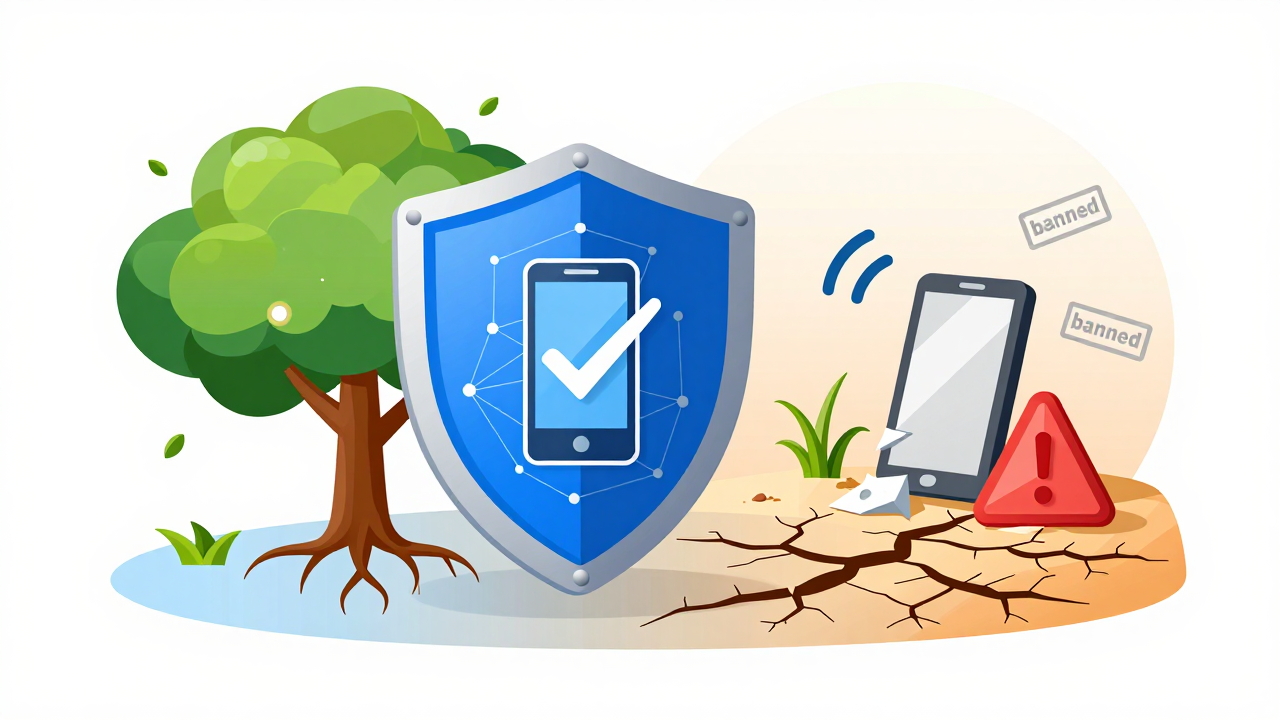
If you're just registering a couple of throwaway accounts, almost any platform will do. But if you're running a matrix of accounts for bulk operations, you need to ask about "account protection periods." The industry standard is that reliable providers offer 24 to 72-hour warranties—if your account gets flagged during that window, they'll provide replacement numbers free of charge. Get this in writing before you commit, or you'll be the one eating the loss.
Four Counter-Intuitive Criteria for Choosing a Platform in 2026
There's no shortage of "how to choose" articles online, but most are recycled filler. Based on my hands-on experience, here are four screening criteria that might challenge your assumptions.
- Test customer support response time, not website polish. SMS verification is time-sensitive. If you hit an issue at 2 AM, can support respond within 5 minutes? That determines your account safety. Some big-name platforms have gorgeous websites but ticket systems slower than molasses—steer clear.
- Ask whether numbers support specific countries. Cross-border operations in 2026 often require numbers from specific countries to register on local platforms. If a provider says "our pool covers everything," they're likely overselling—carrier resource costs vary dramatically by country.
- Test the withdrawal process after a small deposit. This is an obscure but effective trick. If a platform gives you the runaround when you try to withdraw a remaining balance after a small deposit, their risk controls and financial practices are suspect. Legitimate providers, like Getfollow, maintain transparent refund processes.
- Be wary of "unlimited SMS" promises. In 2026, any service claiming unlimited volume is either overselling or using black-market cards. Compliant platforms impose limits on per-number usage frequency—this protects the number pool's long-term health and, by extension, your account security.
Risk Alert: Don't Let SMS Verification Become Your Achilles' Heel
No matter which platform you choose, the 2026 landscape means risk can't be reduced to zero. The two most common traps are privacy leaks—some smaller platforms sell your registration data on the side—and linked bans, where using the same number across multiple platforms means one flagged account takes down all the others.
My advice: treat your SMS verification provider as critical infrastructure, not a disposable tool. Before scaling up, run a small test with 10–20 numbers and monitor account health for about a week. That real-world data will tell you more than any marketing pitch.
Quick Comparison: Main Service Models in 2026
| Comparison Criteria | Pure Virtual Number Platforms | Compliant Carrier-Resource Platforms (e.g., Getfollow Model) |
|---|---|---|
| Pricing | Very low, per-code pricing | Moderate, per-number or package pricing |
| Number Cleanliness | Poor; easily flagged by risk controls | Good; survival rates typically above 70% |
| Best Use Cases | One-time verifications, non-core operations | Matrix account warming, store registration, ad verification |
| After-Sales Support | Usually "all sales final" | Typically 24–72 hour warranty |
Looking at this comparison, one thing becomes obvious: in 2026, you can't make decisions based on unit price alone. Paying a few extra cents per number buys you something far more valuable—the safety of your entire account ecosystem.
Final Thoughts: Stability Is the Only Word That Matters in 2026
The SMS verification platform industry is going through a major shakeout in 2026. Providers propped up by low prices and black-market resources are getting weeded out. For cross-border businesses and independent operators, partnering with a service that prioritizes compliance and number quality—like Getfollow—might cost a bit more upfront, but it's the highest-ROI decision you can make over the long haul.
One last reminder: no matter how convincing a sales pitch sounds, always test with a small batch before committing long-term. It's the responsible way to protect your business and contribute to a healthier industry overall.
Frequently Asked Questions
What is an SMS verification platform?
An SMS verification platform (also called an SMS receiving service or online number verification tool) provides temporary or dedicated phone numbers that receive verification codes for account registration and authentication. These platforms are widely used by cross-border sellers, marketers, and businesses that need to create and manage multiple accounts across social media, e-commerce, and advertising platforms.
Why do free SMS verification services fail in 2026?
Free SMS verification services rely on public or recycled number pools that platforms' risk-control algorithms have already flagged. In 2026, major platforms can detect these virtual segments instantly, resulting in near-certain account bans. Free services also lack the compliance infrastructure and carrier partnerships needed to maintain clean number resources, making them unreliable for any serious business operation.
How do I test an SMS verification platform before committing?
Start with a small purchase of 10–20 numbers and register accounts on your target platforms. Monitor account health for about a week, tracking survival rates, verification success, and any unexpected flags. Also test customer support response times and ask about their warranty or replacement policy. This small-scale trial gives you real data without significant financial exposure.
What is a number pool warranty in SMS verification?
A number pool warranty (or protection period) is a commitment from the provider that numbers from their pool won't be reused for a specified timeframe, typically 24 to 72 hours. If an account gets flagged or banned during this window due to number-related issues, the provider will supply replacement numbers at no extra cost. This warranty is a key indicator of a provider's confidence in their number quality.