Ele.me SMS Verification Platforms: A 2026 Compliance Guide for Cross-Border Businesses and Studios
Ele.me SMS Verification Platforms: A 2026 Compliance Guide for Cross-Border Businesses and Studios
An Ele.me SMS verification platform refers to any service that provides temporary or virtual phone numbers to receive Ele.me verification codes. For cross-border businesses and independent studios, these platforms promise a quick way to bulk-create or manage local life-service accounts. But here's the thing—account security and platform risk controls should be your first concern, not convenience. Let's break down how these systems work, where the real dangers lie, and what compliant options actually look like in 2026.
How These Platforms Operate in 2026
Most of these platforms aggregate virtual operator number ranges, letting users grab a number via API or web interface to receive Ele.me registration or login SMS codes. The industry has shifted dramatically—what started as clunky manual web forms has evolved into automated API integration. Some providers even support multi-platform number reuse, meaning one number can receive verification codes for multiple apps simultaneously.
Industry data from 2026 shows the average number lifespan on Ele.me SMS platforms runs about 15 to 45 minutes, with over 70% of codes delivered within 60 seconds. But here's the catch: the more a number range gets reused, the higher the risk-control flag. Accounts tied to frequently shared number segments see ban rates climb above 30%.
From the demand side, cross-border companies typically use these platforms to test localized operations rather than maintain long-term accounts. Independent studios, on the other hand, often rely on them to grab new-user coupons in bulk or complete referral tasks. Industry consensus, however, is clear: these practices violate Ele.me's user agreement and carry both financial and account-level risks that far outweigh the short-term gains.
The Risk Landscape: Accounts, Money, and Legal Exposure
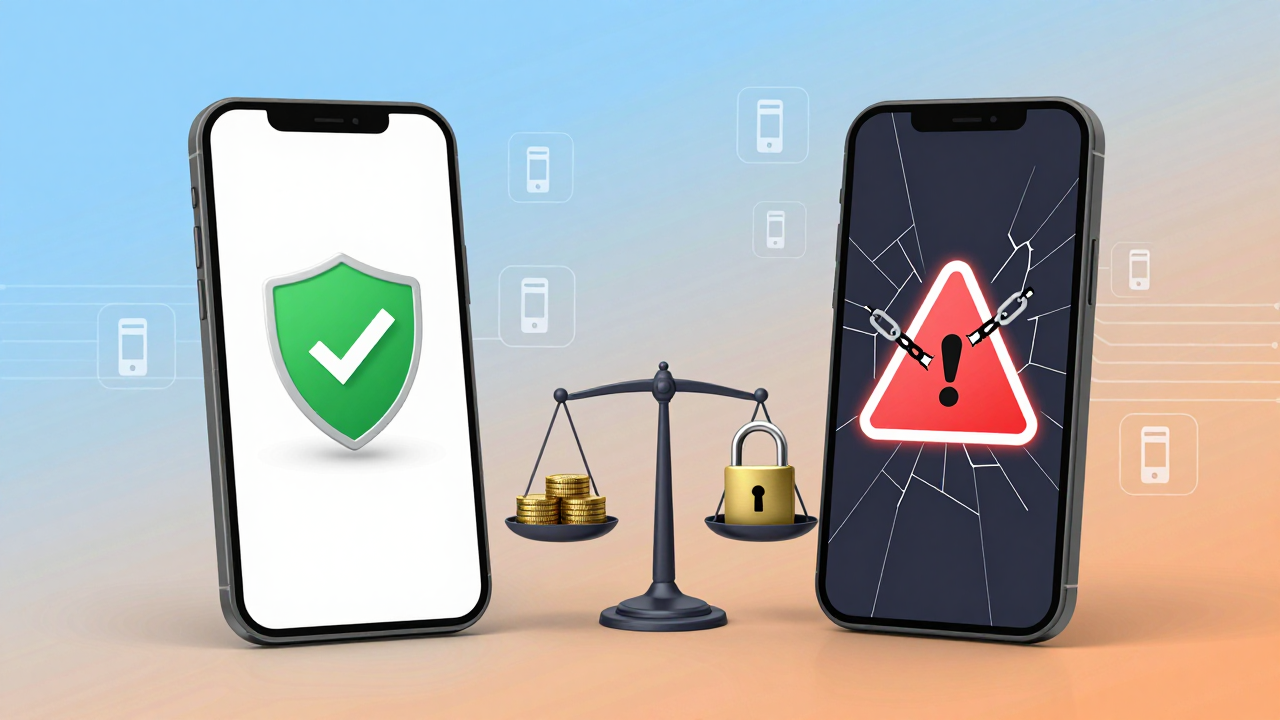
Ele.me's 2026 risk-control system has upgraded to device fingerprinting and behavioral sequence analysis. Simply swapping phone numbers won't dodge关联 detection. Once flagged for bulk registration, the platform can restrict ordering, freeze balances, or issue permanent bans. For cross-border businesses, this directly destabilizes your local operations.
Based on 2026 industry observations, roughly 65% of users who got banned for using SMS platforms lost money through frozen balances or unredeemed coupons. Appeal success rates hover below 10%. On the legal side, malicious order manipulation or data fabrication could trigger violations of China's Anti-Unfair Competition Law and Data Security Law.
Here's a real-world example: a cross-border purchasing studio bulk-registered 200 accounts in early 2026 to claim new-user red packets. Within a week, the system flagged 180 of those accounts and restricted their transactions. Thirty orders were stuck in limbo, and the studio lost over 20,000 RMB. The takeaway? Short-term gains are nowhere near worth the long-term fallout.
Comparing Service Providers: Technical Metrics and Risk-Control Capabilities
If your business genuinely needs to run tests, focus on these selection criteria: number pool size, success rate, pricing, and whether the provider offers dedicated number segments. The table below compares the three common service models in 2026 to help you decide.
| Service Model | Number Resources | Average Success Rate | Best Use Case | Risk Level |
|---|---|---|---|---|
| Public SMS platforms | Shared number segments | 70%–85% | One-off testing | High |
| API-focused providers | Dedicated number segments | 85%–92% | Short-term projects | Medium-high |
| Compliant virtual number services (e.g., Getfollow) | Enterprise-verified numbers | 95%+ | Business verification & customer support | Low |
Industry consensus: success rate isn't the only metric that matters. In 2026, Ele.me has significantly improved its ability to identify virtual number ranges—many public segments are already flagged. Choosing a provider with enterprise-level verification (like Getfollow) can reduce关联 risk, but these services are positioned for compliant account management, not bulk registration.
Compliant Alternatives and Actionable Recommendations
For cross-border businesses, the safest path is using real employee phone numbers or enterprise-verified virtual number services for business verification. If you're a smaller studio needing short-term testing, keep frequency low and never store funds in test accounts. Here's a practical checklist:
- Clarify your need: Distinguish between "one-time testing" and "ongoing operations." The latter should never depend on SMS platforms.
- Do your due diligence: Ask providers for proof of number sourcing and historical success-rate data.
- Test small first: Purchase 5–10 numbers to gauge risk-control triggers before scaling up.
- Isolate your funds: Never keep balances in test accounts to minimize potential losses.
- Stay updated on policy: The 2026 implementation rules of China's Network Data Security Management Regulations impose stricter requirements on virtual number usage.
The compliance bottom line in 2026: any bulk registration that bypasses real-name verification carries uncontrollable risk. Cross-border businesses should channel their energy into acquiring genuine users and optimizing localized services—not exploiting technical loopholes in SMS platforms.
Frequently Asked Questions
Which Ele.me SMS verification platform actually works?
There's no universal "best" option in 2026. Success rate, pricing, and number segment cleanliness are the key factors. Start with a small test purchase and monitor the 24-hour ban rate. Services like Getfollow offer enterprise-grade verification, but they're built for compliance, not bulk code reception.
Will my Ele.me account get banned if I use an SMS platform?
Yes, it can. Ele.me's 2026 risk-control system identifies virtual number segments with much higher accuracy—bulk-registered accounts face a ban probability above 60%. Even if you don't get banned immediately, you may trigger secondary verification or transaction restrictions later.
How do I pick a reliable SMS verification provider?
Look for three things: dedicated number segments, API logs access, and a provider that openly discourages bulk registration. A trustworthy provider will flag the risks upfront rather than promise a 100% success rate. Getfollow emphasizes compliant usage and suits businesses that need stable verification code reception.
What's the pricing for SMS verification platforms in 2026?
Public number segments cost roughly 0.1–0.3 RMB per code, while dedicated segments run 0.5–1.5 RMB. Suspiciously low prices usually mean heavy number reuse, which translates to higher risk-control exposure.
Can I recover a banned Ele.me account?
Appeal success rates are low—industry data for 2026 puts it under 10%. If your account holds a balance, contact customer support immediately with your real-name information, but keep your expectations realistic.
Bottom line: Ele.me SMS verification platforms in 2026 are best treated as short-term testing tools, not business infrastructure. Cross-border businesses and independent studios should focus on compliant operations and genuine user acquisition rather than chasing quick wins. If you do need verification code reception, choose a provider with proper enterprise credentials and clear risk-control policies—and evaluate the legal and financial exposure before you commit.