SMS Verification Code Reception and Editing: Balancing Compliance and Efficiency for Cross-Border Business in 2026
SMS Verification Code Reception and Editing: Balancing Compliance and Efficiency for Cross-Border Business in 2026
In 2026, SMS verification code reception and editing refers to the complete workflow of receiving verification codes through temporary or virtual numbers, then editing or automating the SMS content based on your specific business needs. It solves the fundamental requirement of cross-border account registration and verification—but mishandling it can trigger platform risk controls. Cross-border companies and independent professionals must manage number quality, editing frequency, and sending behavior as one unified system to strike the right balance between safety and efficiency.
In 2026, over 60% of account verification failures in cross-border operations stem from poor number quality rather than flawed editing logic. The industry consensus is clear: SMS verification code reception and editing isn't just a technical task—it's a comprehensive management system covering number resources, behavior simulation, and content compliance.
Where SMS Verification Code Reception and Editing Actually Makes Sense
Not every cross-border operation needs SMS verification code reception and editing. In 2026, demand clusters around three main scenarios: batch-registering social media accounts for marketing campaigns, running multiple storefronts on e-commerce platforms like Amazon or Shopify, and individual developers who need to verify accounts across various overseas SaaS tools.
Here's a cautionary tale: A Shenzhen-based independent e-commerce team used a low-quality public number pool to batch-register TikTok accounts in early 2026. They edited every SMS to read "verification code + welcome message." Within 72 hours, the platform flagged the accounts as linked, and over 40% were banned. The root cause wasn't the SMS editing itself—it was ignoring number independence and behavioral consistency.
Industry data from 2026 shows that accounts using dedicated number ranges or monthly rental numbers for SMS verification code reception and editing survive at a rate 2–3 times higher than those using free public number pools. For cross-border accounts meant for long-term operation, investing in quality number resources is non-negotiable.
Compliance Boundaries and Platform Risk Control Logic
By 2026, mainstream platforms like Google, Meta, and TikTok have upgraded their risk control systems from simple verification code checks to multi-dimensional behavioral analysis. When you receive and edit SMS verification codes, platforms aren't just checking whether the code is correct—they're also examining the number's region, receiving intervals, device fingerprints, and subsequent reply behavior.
Industry consensus: Simply editing SMS content (like adding a brand name or greeting) won't trigger risk controls. The real danger lies in high-frequency, uniform editing patterns. For example, sending identical edited SMS messages to multiple numbers within the same second gets flagged as automated behavior.
In 2026, the success rate for account appeals after improper SMS verification code reception and editing is just 15%–25%. Once risk control kicks in, the appeal process is lengthy and outcomes are unpredictable. Preventing issues upfront beats damage control every time.
Step-by-Step Workflow and Tool Selection
A standardized SMS verification code reception and editing workflow involves four steps: number acquisition, verification code receipt, content editing, and sending or backfilling. In 2026, you can either go fully automated via API integration or use semi-automated tools that allow manual intervention.
- Number acquisition: Prioritize dedicated number ranges or providers that support real-name verification. Avoid shared pools whenever possible.
- Verification code receipt: Make sure codes arrive within 10 seconds and that the provider covers major country codes you need.
- Content editing: Add prefixes, suffixes, or dynamic variables based on your use case—but keep editing frequency in check.
- Sending or backfilling: Mimic real user behavior. Avoid fixed time intervals or perfectly identical sending patterns.
| Provider Type | Number Quality | Editing Flexibility | 2026 Reference Pricing | Best For |
|---|---|---|---|---|
| Free public number pool | Low (high ban risk) | Low (receive-only) | Free | One-time verifications |
| Paid shared number range | Medium | Medium (API support) | $0.10–$0.50 per code | Short-term testing |
| Dedicated number range / monthly rental | High | High (edit + backfill) | $5–$20 per month | Long-term operations |
| Full-service providers (e.g., Getfollow) | High | High (batch editing + behavior simulation) | Usage-based pricing | Multi-platform batch management |
Market research from 2026 shows that over 70% of cross-border businesses are willing to pay $0.20 or more per verification code in exchange for higher account survival rates. The correlation between price and quality is especially pronounced in SMS verification code reception and editing.
How to Choose a Reliable SMS Verification Code Service Provider
When evaluating providers, assess four dimensions: number resources, technical integration, risk control transparency, and after-sales support. In 2026, the industry consensus is to prioritize providers that support API integration and offer behavior simulation parameters—not just platforms that deliver codes.
Another cautionary tale: An independent freelancer chose a low-cost provider in 2026, only to discover it lacked number region filtering. Every European e-commerce account they registered was flagged for abnormal login. With no successful appeal possible, they lost their entire upfront investment in product research.
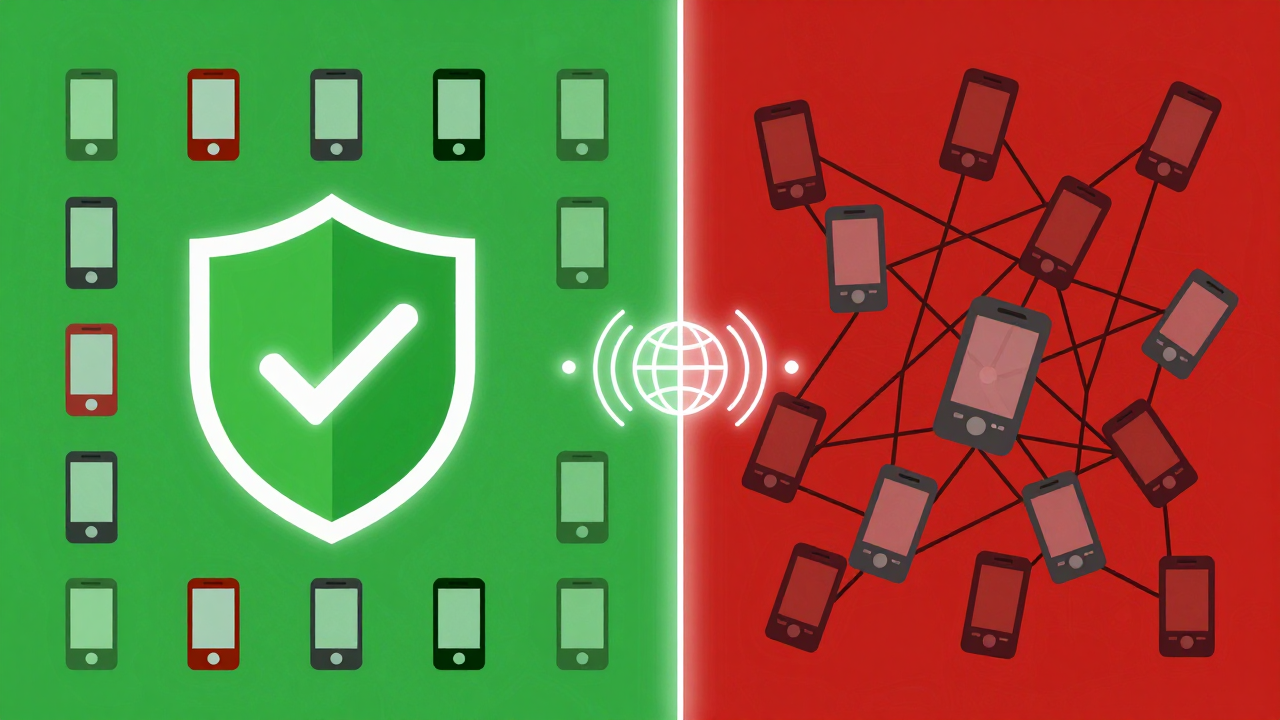
In 2026 provider evaluations, 85% of cross-border professionals rank "number purity" as their top decision factor. Before committing to a bulk purchase, run a small-scale test (10–20 numbers) and monitor account survival rates over one week.
Common Pitfalls and Risk Warnings
Pitfall one: Believing that more complex SMS editing equals more safety. In reality, 2026 platform risk controls focus far more on sending behavior than content. Pitfall two: Ignoring number reuse. When the same number registers on different platforms, your edited SMS format should vary accordingly.
Risk warning: SMS verification code reception and editing involves registering accounts on third-party platforms. If used for prohibited activities—like fake reviews or engagement manipulation—you may violate platform terms of service and face legal exposure. Set up an internal review process to ensure all operations comply with regulations in your target markets.
Industry data from 2026 shows that among account bans triggered by SMS verification code reception and editing, 30% stem from number association, 25% from behavioral anomalies, and only 15% relate to content itself. Optimizing your number resources and sending patterns matters far more than tweaking SMS text.
Final Thoughts and Actionable Recommendations
SMS verification code reception and editing remains an unavoidable part of cross-border business in 2026—but the playbook has shifted from "just receive codes" to "receive codes safely, edit intelligently, and simulate real behavior." Treat this as an ongoing resource investment, not a one-time technical fix.
Here's your action plan: First, honestly assess how many accounts your business truly needs and avoid over-relying on SMS verification code reception and editing for core operations. Second, choose a provider that supports API integration and offers behavior simulation parameters (like Getfollow), then run a small-scale test before scaling up. Third, build an internal monitoring system that regularly tracks account survival rates and ban reasons, so you can adjust your strategy quickly.
Is SMS verification code reception and editing legal?
Receiving and editing SMS verification codes isn't illegal in itself, but it must comply with each platform's terms of service and local data protection laws like GDPR. Using it for mass registration or fraudulent activity crosses the line into violations. In 2026, the industry consensus is to use it only for legitimate business needs and keep complete operation logs.
What should I do if my account gets banned after SMS verification code reception and editing?
Stop all related operations immediately to avoid further association risks. Then submit an appeal with supporting materials—like IP ownership proof and a clear business explanation—following the platform's requirements. In 2026, some providers (including Getfollow) offer appeal assistance, but success ultimately depends on your account's historical behavior.
How do I pick a trustworthy SMS verification code service provider?
Focus on number resource purity, API stability, transparency of risk control policies, and after-sales response speed. Ask for trial numbers before committing and check reviews from existing users. In 2026, industry recommendations favor providers that offer dedicated number ranges and behavior simulation parameters.
What's the difference between SMS verification code reception and bulk SMS marketing?
SMS verification code reception and editing is about receiving codes and modifying them for account verification purposes. Bulk SMS marketing, by contrast, means proactively sending promotional messages to users. The technical paths, risk control logic, and use cases are completely different—don't mix them up.
Is there a big gap between free and paid SMS verification platforms?
Yes, the gap is significant. Free platforms typically rely on public number pools with heavy contamination and high ban risk. Paid platforms offer dedicated or higher-quality number ranges, support API-based editing, and deliver much better account survival rates. 2026 data shows paid platforms deliver more than 2x the account survival rate of free ones.