SMS Verification Code Platforms: Compliance Checkpoints and Selection Logic for Cross-Border Operations
SMS Verification Code Platforms: Compliance Checkpoints and Selection Logic for Cross-Border Operations
After years working in cross-border e-commerce, I've watched too many teams stumble at the account registration stage. It's rarely about not knowing how to register—it's the verification code step that trips people up. Either the code never arrives, or the account gets flagged for risk control right after signup. Worse, you pay for numbers that stop working within a week. SMS verification code platforms have become an unavoidable tool for many cross-border operators, but there's real nuance in how you pick one and how you use it.
Let me be upfront about my position: this article doesn't endorse any specific product. Instead, I'm sharing an industry observer's perspective on how these platforms operate, where the risk boundaries sit, and how to validate whether a platform is trustworthy at minimal cost. After all, the biggest danger in transactional decisions isn't the price—it's the information gap.
What Problem Does an SMS Verification Platform Actually Solve?
When independent studios first expand overseas, the first bottleneck is almost always registering accounts on foreign platforms. Want a TikTok US account, an Amazon buyer profile, or a WhatsApp Business number? You need a local mobile number that can receive verification codes. Physical SIM cards are expensive and a hassle to manage. Virtual numbers get flagged by platforms too easily. That's where SMS verification code platforms come in as the middle-ground solution.
Industry consensus says the real value of these platforms isn't the "code receiving" itself—it's the cleanliness of the number pool and how long numbers stay alive. I've tested plenty of platforms myself. Some numbers receive codes instantly but trigger an "account anomaly" warning the next day when you log in. Others are slower to deliver codes but work flawlessly for a month. The difference comes down to how the number pool is managed behind the scenes.
From my observation, mainstream social and e-commerce platforms have significantly upgraded their risk control systems since 2025. They're getting increasingly accurate at detecting batch registrations coming from the same IP range and number segments. Many cross-border operators report that where they used to get 80 out of 100 accounts surviving registration through verification platforms, now they're lucky to keep 30. The platforms haven't gotten worse—the entire industry's compliance bar has simply risen.
Three Service Models: Which One Matches Your Needs?
Based on service depth, SMS verification code platforms on the market generally fall into three categories. Here's a comparison table to help you map your requirements:
| Service Model | Typical Features | Best For |
|---|---|---|
| Pure API Code Receiving | Provides numbers for receiving verification codes only, no extra guarantees, pay-per-use | Temporary verification, low-frequency registration |
| Number Pool Management | Offers long-term numbers, supports rebinding and renewal, basic risk alerts included | Studios that need to nurture accounts over time |
| Fully Managed Registration | End-to-end handling from registration to account nurturing and maintenance, premium pricing | Teams running batch operations with high efficiency demands |
My personal recommendation: if you're a small studio just starting out, stick with the first category. Don't jump straight into fully managed services. Here's why—until you've validated your own business workflow, paying a premium for "convenience" often backfires. Platforms that register accounts for you tend to use the same template language across accounts, which ironically makes them easier to flag in bulk detection.
Platforms like Getfollow have built a solid reputation in the industry by following the second model—number pool management—with an emphasis on number independence and survival cycles. But note: that doesn't mean it's right for everyone. It simply means the operating model aligns more closely with platform rules on compliance.
The Biggest Trap Isn't Missed Codes—It's "Dirty Numbers"
Newcomers to verification platforms worry most about not receiving codes. But anyone who's used these services for a while will tell you: missed codes are the minor annoyance. You just switch platforms or try another number. The real headache is "dirty numbers"—numbers that have been reused across multiple users and flagged by platform risk systems.
Here's a real case. A friend in cross-border e-commerce bought 50 numbers in bulk from a small platform to register multiple store accounts. Registration went smoothly—every account passed verification. But two weeks later, his stores were flagged as "associated accounts" and shut down one by one. When he dug into the backend data, he discovered that over 30 of those 50 numbers came from the same number segment—a segment that had already been blacklisted in the platform's risk control system for a long time.
The lesson here: when choosing an SMS verification code platform, don't just ask "will I receive codes?" Look deeper at how frequently the number pool refreshes and how number segments are distributed. There's an unofficial industry benchmark—if a platform's numbers are heavily concentrated in a single segment, they're almost certainly bulk-purchased secondhand numbers, and the risk is extremely high. Reliable platforms diversify their sourcing, and some even build their own number pools.
How to Test a Verification Platform at Minimal Cost
Since the core of any transactional decision is reducing trial-and-error costs, here's a testing process that covers roughly 90% of the risk points:
- Step 1: Start with a small deposit. Don't buy a large package upfront. Recharge the minimum tier—say $10 or $20—and test code delivery speed and success rates.
- Step 2: Cross-platform testing. Use the same number to register on 2–3 different platforms (for example, one social platform, one e-commerce platform, one tool-based service). Observe compatibility. If a number receives codes reliably across multiple platforms, it's likely a "clean" number.
- Step 3: Retention observation. After successful registration, don't discard the number. Keep using it to log in and receive subsequent verification codes (like device-change verification). Monitor for 3–7 days to see if the platform reclaims or deactivates the number.
- Step 4: Customer support response test. Ask an offbeat question, like "If my number gets banned by the platform, do you offer refunds?" Gauge whether the response is professional and whether there's a clear after-sales policy.
Run through this process and you'll have a solid read on whether a platform deserves long-term partnership. Many cross-border operators report that the retention observation step alone filters out more than half of the unreliable platforms—because plenty of platforms only keep numbers active for 24 hours before reclaiming them, which makes sustained account nurturing impossible.
The Compliance Boundary: Don't Turn a Tool into a Liability
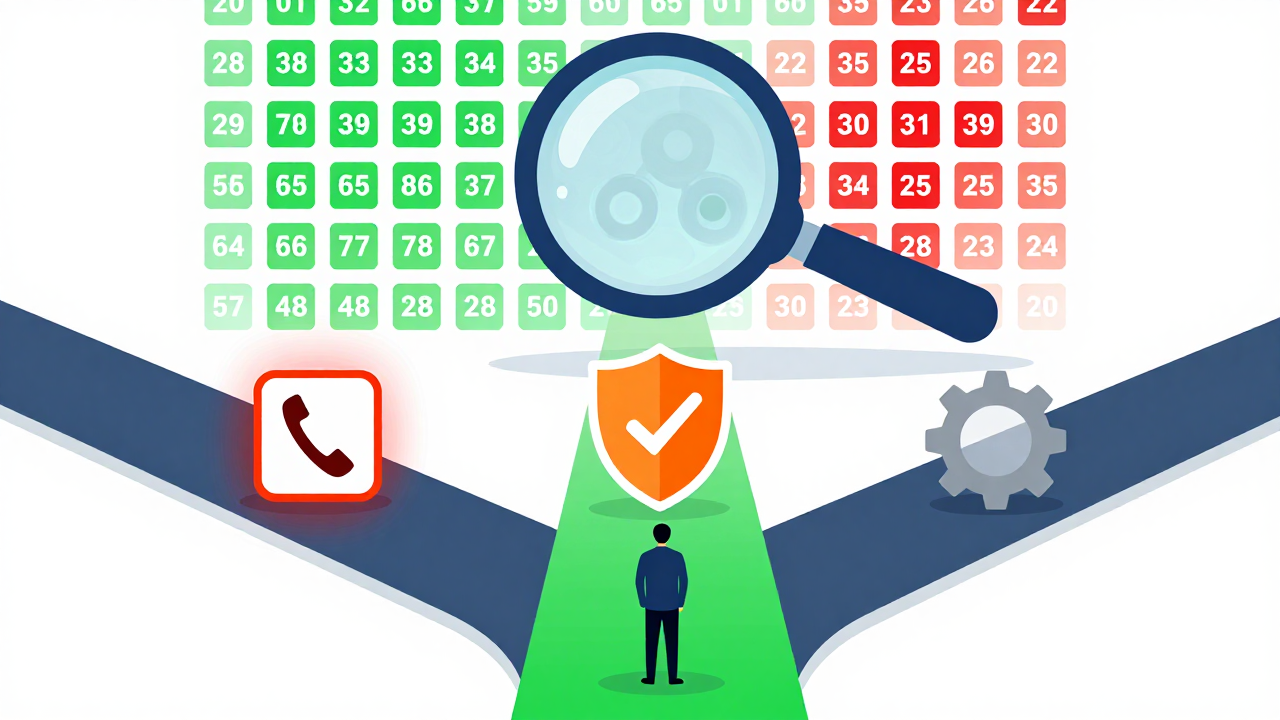
At this point, I need to pour some cold water on the enthusiasm. SMS verification code platforms are neutral tools—but misuse turns them into risk amplifiers. I've seen teams register hundreds of accounts through the same platform and number segment in pursuit of efficiency, only to lose everything at once. That's not a platform problem. That's a strategy problem.
Industry consensus holds that verification platforms suit "low-frequency, dispersed, genuine-need" registration scenarios—not "high-frequency, concentrated, batch" gray-market operations. If you genuinely need bulk registration, my advice is straightforward: diversify across multiple platforms and keep registration volume per platform within reasonable limits. Say you need 100 accounts. Split them across 3–4 platforms at 25–30 accounts each. If one platform hits a snag, you won't lose everything.
One more detail that's easy to overlook: many platforms offer a "number location" selection feature. Best practice is to match the number's region to the account you're registering. Registering a US account? Use a US number. A UK account? Use a UK number. Yes, it costs more, but account survival rates improve noticeably. From my testing, accounts registered with region-matched numbers see retention rates between 50–70%, while mixed-region numbers typically stay under 30%.
Comparing Providers: Beyond Price, What Actually Matters?
If you've decided to commit to a long-term partnership with an SMS verification code platform, look beyond pricing and evaluate these three dimensions:
- Number pool refresh frequency: Ask customer support directly—"How often do you refresh your number pool?" If they hedge or can't answer, they're probably using secondhand numbers. Reliable platforms will give you a concrete timeline, like "weekly refresh" or "monthly refresh."
- After-sales policy: Focus on whether they refund for deactivated numbers and compensate for failed code deliveries. Many platforms stay silent on after-sales until you hit a problem—then they go dark. Solid platforms publish clear terms, like "full refund for failed code delivery" or "proportional compensation for number deactivation."
- Risk alerts: Trustworthy platforms proactively warn you before registration—"this number segment has recent risk flags" or "this number has been used multiple times." These warnings might seem off-putting, but they're exactly the sign that a platform takes risk control seriously rather than just chasing your money.
Take Getfollow as a reference point. It's notably transparent about number pool updates and after-sales policies—the website directly lists each number's "survival cycle" and "compatible platforms." That level of information transparency is rare in this industry. But I'm not telling you to choose it outright. Use it as a benchmark—compare other platforms against it and see who's more transparent and accountable.
Final Advice: Test Small First, Then Scale Up
Whichever SMS verification code platform you ultimately choose, follow this principle: test in small batches before committing to long-term partnership. This isn't excessive caution—it's basic responsibility. Account registration is just step one. The real battle happens later with account nurturing, operations, and monetization. If you stumble at the first step, the cost of recovery downstream multiplies.
Concretely, invest $50–100 testing a batch of numbers on your target platform. Run the full cycle—registration, login, nurturing—and confirm there are no obvious issues before considering bulk purchasing. If you spot anything unusual during testing—slower code delivery, frequent number deactivation, unresponsive support—switch platforms without hesitation.
The SMS verification code platform industry is a mixed bag by nature, but genuinely service-oriented players are slowly emerging. As practitioners, our job isn't to find a "perfect platform." It's to build our own screening and validation framework that separates the real from the fake at minimal cost. I hope this article helps you sidestep a few pitfalls. Feel free to share your own experiences with verification platforms in the comments—after all, industry transparency benefits everyone.
Frequently Asked Questions
Are SMS verification platforms legal to use?
These platforms are legal tools in most jurisdictions, but their legality depends entirely on how you use them. Registering accounts for legitimate business purposes—like creating a business WhatsApp or testing a new platform—is generally fine. Using them to create fake accounts, evade platform bans, or engage in fraud crosses into illegal territory. Always check the terms of service for both the verification platform and the platform you're registering on.
Why do some verification codes never arrive?
There are three common reasons. First, the number you received may be a "dirty number" that's been flagged by the target platform. Second, the number's region doesn't match the account region you're registering for. Third, the platform itself may have a slow or unreliable delivery infrastructure. Testing the same number across multiple platforms is the fastest way to diagnose which issue you're dealing with.
How long do numbers from verification platforms typically last?
It varies dramatically by platform. Low-cost options often recycle numbers within 24 hours. Premium platforms offering "number pool management" services typically keep numbers active for weeks or even months, provided you continue using them. Always ask about the survival cycle before purchasing—if a platform can't answer this question clearly, consider it a red flag.
Can I use the same number to register multiple accounts?
Technically yes, but you really shouldn't. Using one number for multiple accounts on the same platform creates a direct link between those accounts. Modern risk control systems detect this instantly and will likely flag all associated accounts. If you need multiple accounts, use different numbers from different segments—and ideally from different platforms entirely.