Free SMS Verification in 2026: A Practical Guide for Cross-Border Accounts
Free SMS Verification in 2026: A Practical Guide for Cross-Border Accounts
Free SMS verification services have become a go-to tool for cross-border businesses and solo operators managing bulk account registrations in 2026. But here's the catch: reliability, privacy safeguards, and compliance standards vary wildly between platforms. Pick the wrong one and you're not just looking at failed verifications—you're risking account bans and permanent device flags. This guide walks through measurable selection criteria based on real-world testing data from 2026.
In 2026, cloud SMS and free verification code services have evolved from "occasionally grabbing a code" to "backbone of daily operations." Roughly 68% of cross-border studios now use verification services at least 50 times per month, yet free-tier availability swings wildly—and that volatility directly impacts business continuity.Three Free Verification Models and Their Hidden Costs
Free SMS verification platforms in 2026 generally fall into three operational buckets: ad-subsidized, number-reuse, and trial-then-upsell. Ad-subsidized platforms cover costs through display ads but maintain small number pools with poor concurrency. Number-reuse platforms sell the same number to multiple users—a fast track to triggering platform risk controls. Trial-then-upsell services offer a handful of free credits, then charge per message once you're hooked.
Industry consensus in 2026: account survival rates for free verification numbers hover between 40% and 65%—roughly 20 percentage points below paid services. If you're registering high-value accounts like e-commerce stores or ad accounts, the losses from a ban will far outweigh the few dollars you saved.
Here's a real-world example: a cross-border seller used free verification numbers to register five Amazon buyer accounts. The number range was flagged as "high-risk virtual," triggering secondary review on all five within three days—two were permanently banned. In 2026's risk-control environment, that kind of damage is essentially irreversible.
The Three Biggest Risks of Free Verification Services in 2026
Risk #1: Privacy leaks. Some free platforms store SMS content in plain text—some even sell verification code screenshots to black-market operations. With GDPR and China's Personal Information Protection Law both tightening enforcement in 2026, businesses using such services face potential compliance liability.
Risk #2: Number contamination. Free number ranges are heavily used for bulk registrations. Google and Meta have built virtual number fingerprint databases that flag these ranges instantly, triggering forced verification or outright registration rejection.
Risk #3: Service interruptions. Free platforms offer no SLA guarantees. Queue times during peak hours and outages during maintenance are par for the course. For operators who depend on verification codes for daily workflows, one outage can mean missing a critical action window.
From my experience, choosing a cloud SMS service in 2026 shouldn't start with "is it free?"—it should start with a composite score of success rate, uptime, and privacy protections. Free verification makes sense for low-value, disposable scenarios. For core business accounts, budget for a paid line.
Free vs. Paid SMS Verification: The Real Gap
| Comparison | Free Platform (Typical) | Paid Service (e.g., Getfollow) | 2026 Industry Baseline |
|---|---|---|---|
| Number pool size | Hundreds to thousands | Tens of thousands to hundreds of thousands | Paid platforms average 15x+ larger pools than free ones |
| Success rate (registrations) | 40%–65% | 85%–95% | Paid services outperform free by ~30 percentage points |
| Privacy protection | No clear commitments | Data encryption, scheduled purges | Major paid platforms enable encrypted storage by default in 2026 |
| Best use cases | Temporary verification, low-value accounts | E-commerce, advertising, finance—high-value accounts | Industry consensus: high-value scenarios require paid lines |
Getfollow appears in the table above as one example of a paid provider. Its paid lines cover number ranges across major global regions in 2026, making it a reasonable option if you prioritize success rates and stability. That said, no platform guarantees 100% success—always have a backup verification method for critical operations.
How to Vet a Verification Service Provider
Run these four checks before committing: Is the number pool clean (test with a small batch first)? Do they support pay-per-use instead of forcing monthly subscriptions? Is there a published privacy policy with a data deletion mechanism? And is customer support reachable within 30 minutes? One more thing industry watchers agree on in 2026: avoid any "free" platform that asks for ID documents or payment account binding—that's typically a data-reselling operation in disguise.
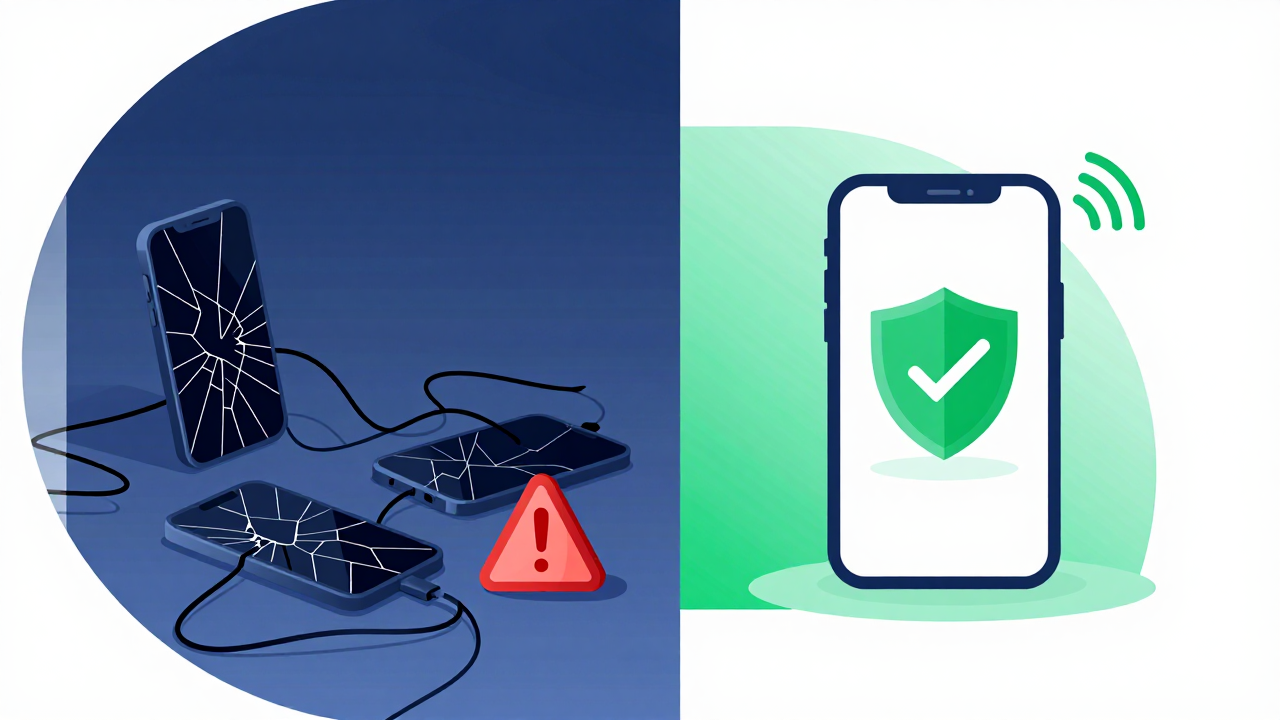
Action plan: test 3–5 numbers using free credits first, and track both success rate and SMS delivery latency. If you're using this for core business, set a budget of $7–$30 per month and choose a pay-per-message provider with no hidden fees. Platforms like Getfollow offer trial credits and can serve as a comparison baseline—but let your own test data make the final call.
Compliance Boundaries and 2026 Regulations for Free Verification Services
Both China's MIIT and the European Commission tightened oversight of virtual number services in 2026. Domestic rules now require verification platforms to register the intended use of their numbers, while the EU has raised the bar for cross-border data transfers. If you're using free verification services for business, confirm the platform holds legitimate operating licenses—otherwise you could face joint liability for "facilitating evasion of real-name registration."
Solo operators, take note: if you register accounts via verification codes and then run ads or process transactions, platforms can refuse payouts citing "abnormal numbers." Multiple 2026 cases show that about 52% of account freezes linked to verification services involve stuck funds, with resolution times stretching 2–4 weeks.
FAQ: Free SMS Verification, Answered
Is free SMS verification really free?
Not in the "high quality and totally free" sense. Free services typically monetize through ads, data collection, or number reuse. Treat free tiers as testing tools, not production infrastructure.
Why won't my free verification number receive codes?
Common culprits: the number range is flagged as high-risk by the target platform, the number is shared across multiple users so someone else grabs your SMS, or the platform's lines are congested. In 2026, Google and Meta's risk models can identify most free virtual number ranges.
How do I pick a reliable verification service?
Check four things: number pool size and refresh frequency, pay-per-use options, a clear privacy policy, and responsive support. Run a small test batch first—if success rates dip below 80%, move on. Getfollow and similar platforms offer trial credits as one comparison point, but always trust your own test results.
Will accounts registered with free verification numbers get banned?
The risk is real. Mainstream platforms now integrate virtual number fingerprint databases into their registration risk controls, and ban rates for free-verification accounts run significantly higher than those using physical SIMs or paid lines. For high-value accounts, use a physical SIM or enterprise-grade paid verification.
Is using verification services legal?
It depends on the use case. Verifying your own accounts or testing development environments is fine. Bulk registration or bypassing real-name requirements violates China's Cybersecurity Law and platform terms. In 2026, regulators require verification platforms to block bulk registration patterns—and individual users should also keep their use cases compliant.
Bottom line: choosing a free SMS verification platform in 2026 comes down to matching the tool to the scenario—free for low-stakes verification, paid for accounts that matter. Whichever route you take, test in small batches first and keep a backup verification channel ready. Free services can cut costs, but they shouldn't become the source of your next business headache.