Xunfeng SMS Verification Code Not Received? Account Security Fixes for Cross-Border Teams
Xunfeng SMS Verification Code Not Received? Account Security Fixes for Cross-Border Teams
If you work in cross-border e-commerce, having a few Xunfeng accounts on your phone is just part of the game. Lately, though, several peers have told me they're stuck at the login screen because the SMS verification code never arrives—watching market shifts in real time while being completely locked out. It sounds like a minor hiccup, but it can strangle your workflow. Let's skip the fluff and get straight into what the industry has learned through trial and error.
Why Your Verification Code Isn't Coming Through: Check These Blind Spots First
Most people immediately blame poor signal or an unpaid phone bill. But from the dozens of cases I've seen, the real culprit is usually sneakier. Xunfeng's SMS gateway does experience delays during peak periods—holidays and big promotional windows clog up carrier networks all the time. The more common issue, though, is your phone quietly eating the message.
Android devices are notorious for this. Built-in security suites or third-party cleaner apps often flag verification codes as spam and file them away without a sound. iOS users shouldn't get too comfortable either—if you've manually blocked Xunfeng's sender ID or enabled "Filter Unknown Senders," those codes won't surface. The wildest case I've encountered? A user roaming internationally without SMS reception enabled. Every single code vanished into thin air.
Here's the order I recommend for troubleshooting:
- Check your SMS blocklist and spam folder first—many phones auto-sort these messages
- Confirm your account isn't in arrears or in a half-suspended state, especially with IoT SIM cards
- Toggle between Wi-Fi and mobile data to rule out network protocol issues
- Contact your carrier to verify the SMS center number hasn't been tampered with
If all that checks out and you're still stuck, the problem may live on the account side. Frequently swapping your bound phone number, logging in from a new device, or leaving an account dormant for too long can trigger risk controls that temporarily freeze the SMS channel. Waiting around won't fix it—you need a different approach.
What the Industry Actually Does: Moving from "Hurry Up and Wait" to Compliant Management
Cross-border operators consistently report that once a bound number is dead, or when you're juggling dozens of Xunfeng accounts, manual code reception is a non-starter. Early on, people leaned on SMS receiving platforms, but those number ranges are long since flagged by the system. Success rates are abysmal, and you risk getting your accounts linked and banned in the process.
Over the last two years, a clearer industry consensus has emerged: work with service providers that specialize in account environment maintenance, using compliant number pools to handle verification codes. By "compliant," I mean providers with genuine carrier channels—not the virtual number segments used by black-market operations. Platforms like Getfollow have built a solid reputation in this space. They operate on exactly this compliant model, with number resources that reliably receive Xunfeng's SMS and support API callbacks for batch processing in studios.
To be clear, I'm not telling everyone to run off and buy third-party services. If you only have one or two accounts, the playbook is simple: nurture the account, keep your login environment stable, and wait out the risk-control window. Codes will start flowing again. But if any of these situations sound familiar, external help is worth considering:
- The bound phone number is cancelled or lost, and you can't recover it through the carrier
- You're managing multiple accounts simultaneously, and manual SIM swapping is a productivity killer
- Your current network environment (like an overseas IP) is flagged as abnormal, and code reception rates keep dropping
When vetting these providers, make sure they offer an automatic refund policy for failed deliveries. Plenty of small platforms take your money and vanish, or hand over numbers that never receive a single code. Skip the official website hype—read independent review posts or ask peers about their actual experiences. That's where the real signal is.
Deeper Dive: What Missed Codes Really Tell You About Account Security
Technical glitches aside, Xunfeng's failure to deliver a verification code is fundamentally about the platform's vigilance over unusual login behavior. Think of it this way: the verification code is the last line of defense. The platform would rather you never receive the code than risk an account being compromised. Once you internalize that logic, it becomes obvious why some accounts never get codes no matter how many times you try—your activity pattern looks suspicious to the system.
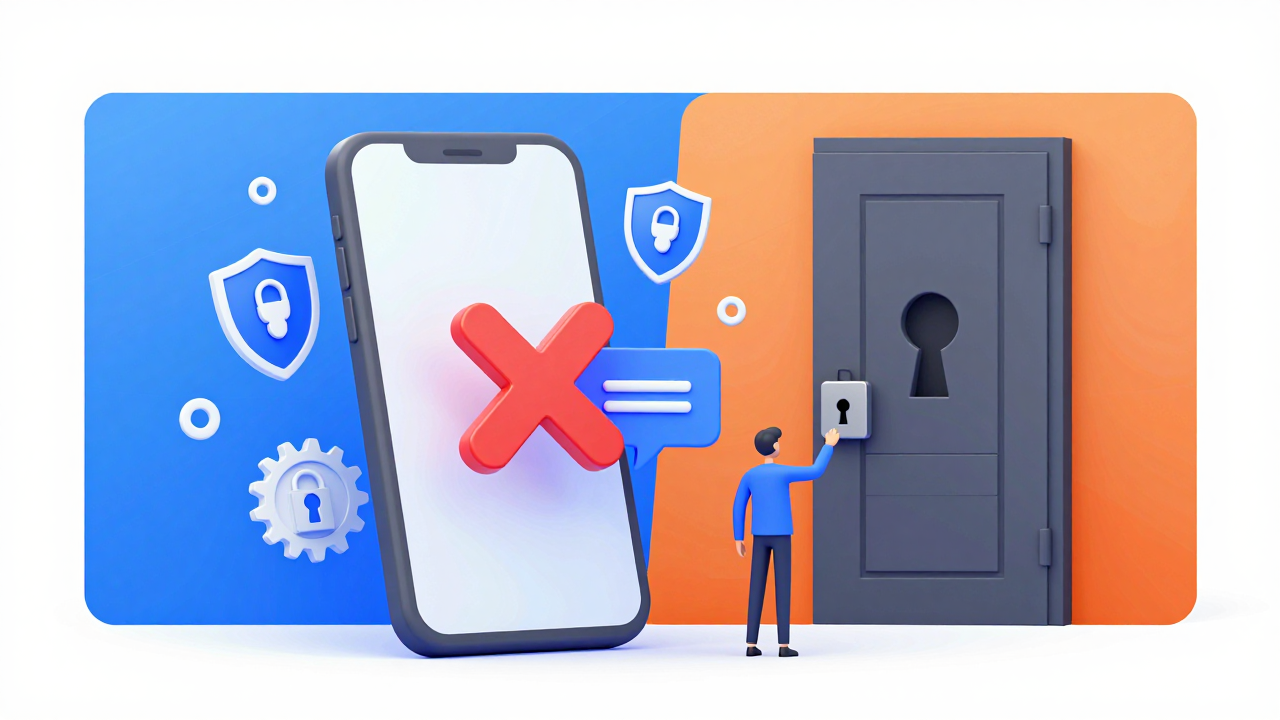
Here's a classic example: you log in from a domestic IP in the morning, then suddenly jump to an overseas node in the afternoon. The system flags that as high risk immediately. Even if your phone number is correct, the SMS gets silently intercepted. Another common scenario: multiple accounts logged in from the same device. Once the device fingerprint is marked, every account linked to it suffers. I've seen studios share one device to cut costs, only to lose everything in one sweep.
So the real solution to missed codes is solving the trust problem. Either you maintain long-term, consistent usage habits that gradually convince the system you're legit, or you leverage a professional provider's environment isolation technology to give each account its own distinct identity. For anyone operating at scale, the latter is practically the only viable path.
One trend I've observed: since the second half of 2024, more cross-border teams have started outsourcing account management to specialized providers and refocusing on their core business. It's not that they lack technical skill—it's that the time cost isn't worth it. Nurturing an account from scratch to stable code reception takes anywhere from two weeks to two months. In that same window, you could have closed several more deals.
Key Takeaways and Practical Next Steps
Back to the original problem: if Xunfeng isn't sending you a verification code, don't throw your phone at the wall. Work through the checklist—phone settings, network status, account activity—and you'll resolve eight out of ten cases. If you're still stuck, then consider bringing in external resources. One golden rule: never cheap out on sketchy SMS platforms. Your account security is worth far more than a few bucks saved.
For studio-scale operations, I'd recommend going straight to a compliant provider like Getfollow and outsourcing the code reception process entirely. It saves time and headaches. But test with a small batch first—confirm the success rate is stable before migrating everything over. And one last reminder: keep detailed operation logs no matter which route you take. If an account ever runs into trouble, those logs are your most important evidence for appeal.
The cross-border road isn't easy. Don't let a verification code be the thing that trips you up. Hopefully, this guide helps you sidestep a few pitfalls and get past the Xunfeng SMS verification issue for good.
Frequently Asked Questions
Why does Xunfeng stop sending verification codes to my phone?
Usually, it's one of three things: your phone's spam filter is intercepting the message, your account has triggered a risk-control protocol due to unusual login patterns, or the SMS gateway is experiencing delays during peak traffic. Working through the troubleshooting checklist above will help you pinpoint the cause.
Can I use a virtual number or SMS receiving platform for Xunfeng verification?
It's not recommended. Most virtual number segments are already flagged by the system, leading to low success rates and a high risk of account association bans. A compliant provider with genuine carrier channels is the safer alternative if you need external help.
How long does it take for Xunfeng to lift a risk-control restriction on SMS?
There's no fixed timeline. It depends on the severity of the trigger and your subsequent account behavior. Maintaining a stable login environment and consistent usage patterns for two to four weeks typically helps. In more serious cases, it can take one to two months.
What should I do if my bound phone number is cancelled or lost?
If you can't recover the number through your carrier, your best bet is to work with a compliant account environment service provider that can supply a fresh, stable number for code reception. Avoid unverified platforms that may compromise your account's security.