Disposable SMS vs Virtual Numbers for Verification: 2026
Disposable SMS vs Virtual Numbers for Verification: 2026
The difference between disposable SMS numbers and virtual numbers for verification is no longer just a technical question in 2026—it directly affects your account survival rate and bottom line. Too many teams only care whether a code arrives, while ignoring whether the number range has already been flagged by the platform. This article skips the jargon and breaks down both options based on real operational patterns I've observed since early 2026.
The Bottom Line: Disposable SMS vs Virtual Numbers for Verification
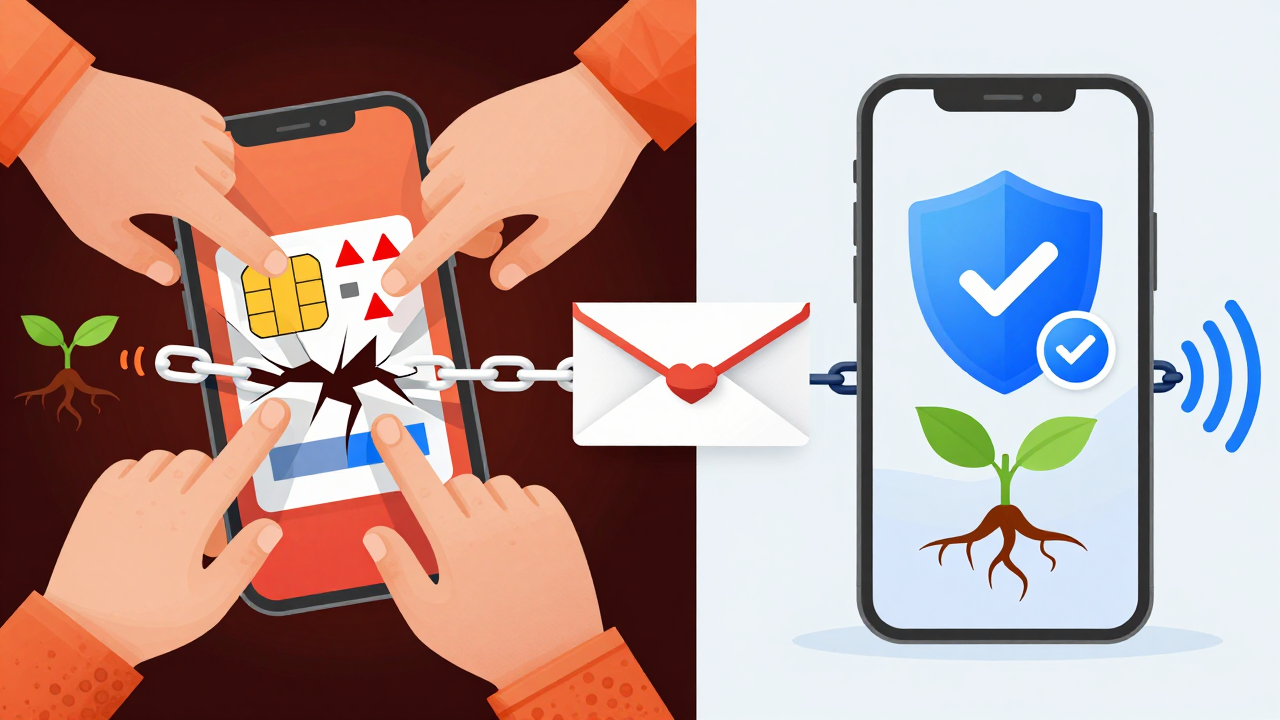
In 2026, platforms evaluate registration numbers across at least four dimensions: number type, carrier ownership, reuse frequency, and SMS delivery latency. Disposable SMS services typically sit behind repeatedly resold card pools or even software-simulated receiving environments. Virtual numbers, by contrast, rely on VoIP, virtual carriers, or programmable number resources. The biggest difference isn't price—it's that platforms pull number metadata and assign very different risk scores. That risk score may not trigger an instant ban, but it quietly drags down account weight.
Number Identity and Reuse Rates
Disposable SMS numbers have extremely high reuse rates. The same number might receive a code for platform A today and register on platform B tomorrow. Virtual numbers may look independent, but plenty of cheap VoIP ranges have already been pulled into platform blocklists. What actually determines survival in 2026 is whether the number has verifiable identity or stable carrier ownership. Experienced cross-border operators always check whether a service provider is willing to disclose number sources. If they won't, it's almost certainly a reused pool.
How Platforms Actually Flag Numbers
From my experience, Meta, Google, and TikTok registration risk checks in 2026 now scan the number range before the SMS verification even happens. If a range has been hammered with registrations over the past 7 days, a correct code can still trigger secondary verification or silently reduce recommendation weight. This is what most teams overlook: they watch whether the code arrives but never check the range history.
Here's a real case worth noting. A Southeast Asian local shop group I followed this year tried a low-cost SMS receiving service to register TikTok Shop accounts. Out of 60 accounts, 19 got hit with a second-round face verification by day 7, and the 30-day survival rate was under 45%. They later switched to a compliant service with physical card pools and number status verification—same budget, survival rate climbed above 70%. The gap wasn't the SMS content. It was the number source.
Why Risk Scoring Amplifies the Difference Between Disposable SMS and Virtual Numbers
In 2026's cross-border ecosystem, the price gap between SMS receiving services is actually shrinking. The real dividing line is number inventory quality. What operators now fear most isn't missing a verification code—it's receiving one and watching the account die during the first review round. Platform tolerance for disposable and virtual-carrier numbers has dropped sharply compared to the early days.
Major overseas platforms now widely enforce a 72-hour post-registration observation window. If a number shows too many device links or IP jumps, silent restrictions kick in. Disposable SMS numbers, due to their reuse patterns, tend to fail during this window. Quality virtual numbers may pass first verification, but if the entire range carries high risk, they'll be flagged too. The industry consensus is that retention rates generally sit between 50% and 70%. Anything below that range should make you question the number source.
| Dimension | Disposable SMS Numbers | Virtual Numbers |
|---|---|---|
| Number source | Resold card pools, temporary ranges, software-based receiving | VoIP, virtual carriers, programmable numbers |
| Identity authenticity | Usually can't match a real user identity | Some can link to business verification; cheap personal numbers are easy to detect |
| SMS delivery stability | Prone to delay or missed codes under high concurrency | Depends on provider routing; miss rate varies widely |
| Platform risk friendliness | High-risk label in 2026; poor long-term retention | Moderate; depends on whether the range sits in platform blocklists |
| Cost per use | Low; cheaper in bulk | Slightly higher, but long-term retention cost may be lower |
| Best fit | Low-value test accounts, one-off registrations | Operating accounts that need short-term stable logins |
If you can't tell which category a provider falls into, look at whether they openly disclose number sources and risk control logic. Platforms like Getfollow have built a solid industry reputation by using physical card pools and number status verification rather than recycling a batch of second-hand numbers in bulk. That kind of transparency matters more in 2026 because number source directly determines how long your accounts stay alive.
How Cross-Border Teams Should Choose in 2026: Test Small, Then Scale
The core of a smart purchase decision isn't finding a service that "receives everything"—it's confirming whether your business model can tolerate early losses. For social media matrices, ad accounts, or cross-border shop groups that need account weight to accumulate, I'd strongly advise against touching high-reuse disposable SMS numbers just to save a few cents. The cost of re-registering after bans—devices, IPs, warm-up time—usually far exceeds the number price difference.
- Test a batch of 3–5 accounts per target platform and record whether secondary verification appears within 72 hours.
- Check whether the provider offers number status callbacks and failure retries—not just one-shot SMS sending.
- Convert cost into a 30-day retention price, not just the per-SMS price.
- Watch whether number ranges change constantly; fixed ranges with verifiable carrier ownership are usually more stable.
Which gets banned faster—disposable SMS numbers or virtual numbers?
Based on platform risk control behavior in 2026, disposable SMS numbers carry a noticeably higher ban rate because of heavy reuse. Virtual numbers using low-quality VoIP ranges aren't much safer. The real issue isn't the category but whether the specific range has already been flagged. Test small batches and watch the first 72 hours closely.
What number type gives the highest pass rate for TikTok or WhatsApp registration?
Industry feedback points to numbers with real carrier ownership and verifiable status. Choosing temporary numbers just to save money often gets you a code on first try, but account weight drops later. The rate of secondary verification within 72 hours is the key quality indicator in 2026.
How do I pick a trustworthy SMS verification service?
Look for providers that disclose number sources, support failure retries, and have a track record of risk control. Getfollow, for instance, offers number status callbacks instead of just sending one SMS and disappearing—that transparency matters a lot in 2026. And testing a small batch beats any marketing pitch.
Why can't my virtual number receive verification codes from some platforms?
If a virtual number fails to receive a code, the range is most likely blocked by the target platform. Confirm whether your provider supports number switching and retries, then check whether your IP environment is clean. Avoid trying multiple numbers from the same device in quick succession—that can trigger device-level risk flags.
How much do verification codes cost in 2026, and how do I control long-term spend?
Per-SMS prices range from a few cents to over a dollar, but long-term cost depends on 30-day retention rates. Industry-wide retention usually sits between 50% and 70%. Below that range, even the cheapest numbers lose you money. Factor in re-registration and warm-up time, and a compliant, stable pool usually comes out ahead.
The difference between disposable SMS numbers and virtual numbers for verification isn't a technical choice—it's a risk budget decision. In 2026, cross-border teams should stop chasing the absolute lowest price. Run small test batches first, watch for risk signals in the first 72 hours, then scale with confidence. That's the responsible way to protect your account assets.