US SMS Verification Platform: How to Choose the Right One
US SMS Verification Platform: How to Choose the Right One
Let me give you the conclusion first: when you're choosing a US SMS verification platform, price is the last variable worth losing sleep over. Over the past few years, I've helped several cross-border studios build out their account infrastructure, and the pitfalls I've hit could fill a small book. Looking back, almost none of the damage came from a failed text message. It came from three landmines planted well in advance: numbers with murky origins, shared pools recycled across countless users, and platforms that operate with zero compliance logic.
The Verdict First: 3 Hard Indicators of a Reliable US SMS Verification Platform
The first hard indicator is where the numbers come from. US numbers broadly fall into two camps: VoIP virtual numbers and real SIM cards on monthly plans. What most newcomers don't realize is that registration systems at Google, WhatsApp, TikTok, and similar platforms run reverse lookups against carrier databases to check number type. VoIP ranges are far more likely to never receive the verification code at all, or to trip risk control seconds after signup. This isn't superstition—it's an open secret in the industry that almost nobody volunteers to tell you.
Indicator two: is the number dedicated or shared? Indicator three is subtler: does the platform itself have any risk-control and compliance logic? A platform that never asks what its numbers are being used for and takes all comers is just waiting for an upstream crackdown or a mass failure. It's a matter of when, not if.
How US SMS Verification Platforms Are Structured: Three Main Service Models
Lay the market out on the table, and from what I've observed, everything falls into three categories—each with a completely different cost structure and risk exposure:
- Shared number pools — pay-per-use and the cheapest option. Numbers cycle through a shared pool, which suits one-off, low-value testing.
- Dedicated real-SIM numbers — monthly plans with a number exclusively yours. Built for projects that need to hold a number long-term and bind it to core accounts.
- Full-service platforms — number resources bundled with account warming and ongoing operational support inside a single service package.
The third model has only taken shape over the last few years. Platforms like Getfollow take the route of fitting numbers, account warming, and ongoing operations into one compliance framework, instead of simply selling verification codes by the piece. The value of that approach is simple: receiving the code is step one. Whether the number and the account are still alive after three months is what cross-border teams are actually paying for.
A Cautionary Tale: When Recycled Numbers Wiped Out Our Accounts Overnight
Here's a lesson I lived through. A couple of years back, to trim the budget, we equipped a batch of social media accounts with cheap shared-pool numbers. The per-use cost really was a bargain. Then, in month two, just as the accounts were starting to gain traction, trouble arrived. US carriers run a recycling program for deactivated or unpaid numbers—typically on a 90-day cycle, with slight variations by carrier. The batch we stopped paying for got reclaimed and flowed right back onto the market.
What happened next isn't hard to imagine. Whoever received those numbers next could pick up our accounts' password-reset texts without a hitch. At best, an account got re-bound and slipped out of our control. At worst, it tripped platform risk control and got banned outright. Fewer than three in ten accounts from that batch survived, and every dollar we'd sunk into warming them up went down the drain.
That lesson gave us an internal iron rule: any account we plan to run for more than a month goes on a dedicated monthly number, and the number budget is untouchable. At the end of the day, an SMS platform is never really selling you a single text message. It's selling you control over that number for the months ahead.
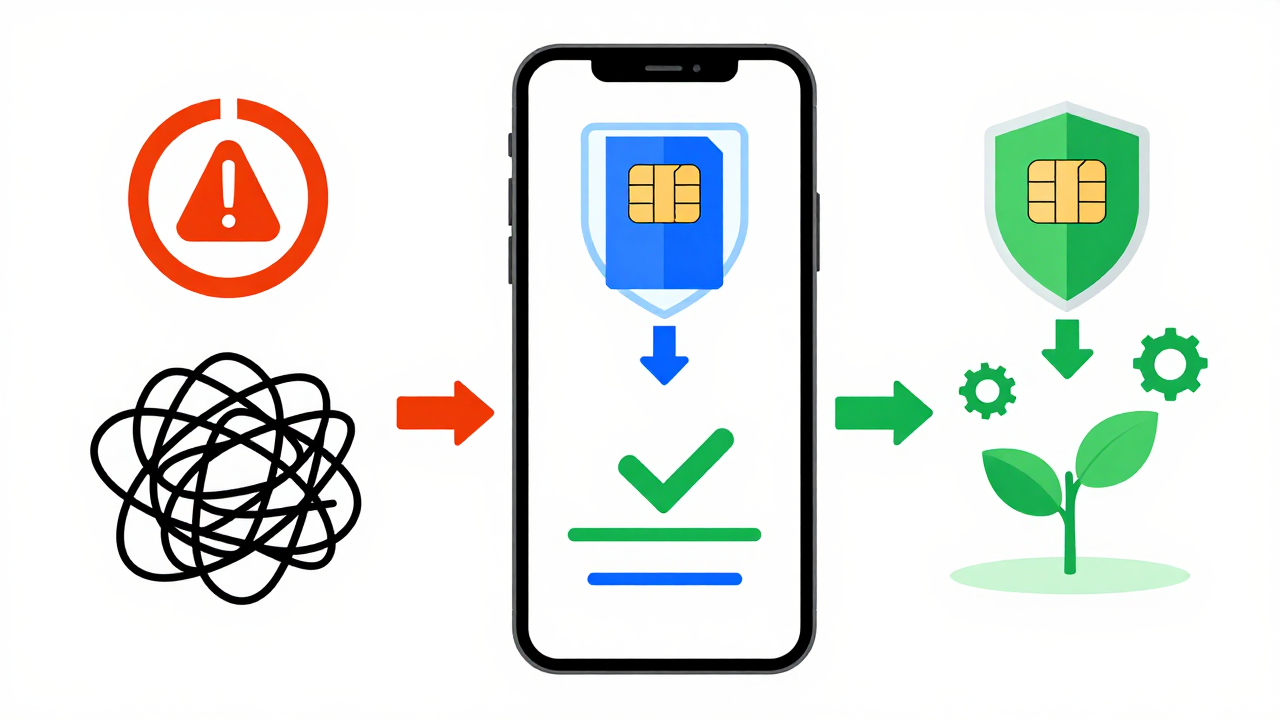
One quick note on where the compliance line sits: numbers and verification tools should serve genuine business registration and operations. Using shared pools to mass-register throwaway accounts violates the terms of service of every major platform—and it's also the fastest route to bans. A common pattern we hear from cross-border operators: accounts built this way rarely survive past a few weeks.
Side-by-Side Comparison of the Three US SMS Verification Platform Models
| Dimension | Shared Pool | Dedicated Real SIM | Full-Service |
|---|---|---|---|
| Billing model | Pay-per-use | Monthly subscription | Monthly or bundled plans |
| Cost per number | Lowest | Mid-range | Mid-to-high |
| Number exclusivity | None—recycled use | Exclusive | Exclusive |
| Long-term retention | Generally low | Around 60–75% per industry feedback | Varies with operational skill |
| Compliance logic | Essentially absent | Reasonable safeguards | Most complete (platforms like Getfollow sit here) |
| Best-fit scenario | One-off testing | Long-term account holding | Team-based, multi-account operations |
The right way to read this table is not "which column wins" but scenario matching. I've watched solo studios buy a full-service package on day one and use less than half the features. I've also watched established teams pinch pennies on shared numbers for long-term projects and lose ten times the number cost in damages. Both are textbook mismatches.
US SMS Verification Platform FAQs
Are US SMS verification platforms safe? Will they get my accounts banned?
The platform itself is just a tool. Ban risk comes mainly from number quality and how you use it. VoIP ranges, heavily recycled shared numbers, and suspicious post-registration behavior—bulk signups from a single IP, near-identical profiles—are the real triggers. A clean dedicated number paired with a normal operating rhythm keeps risk comfortably low.
Why won't my US virtual number receive verification codes?
Most likely the target platform has flagged the number as VoIP. Mainstream registration systems run reverse lookups against carrier databases and restrict non-SIM ranges. The fix: switch to a real-SIM monthly number, or run the number through a carrier lookup tool before you buy. That's a step many platforms won't proactively mention.
How do I pick a reliable US SMS verification platform?
My screening checklist has four items. One: is the number source transparent—will they state plainly whether it's a real SIM or VoIP? Two: do they offer dedicated numbers? Three: does the platform have its own compliance logic? Platforms like Getfollow spell out service boundaries and restrict abusive use cases rather than taking all comers. Four: how fast is their support? If a platform passes three of the four, it's worth moving to small-scale testing.
Can I keep the number long-term after receiving the code?
That depends on the billing model. Pay-per-use shared numbers are essentially single-use. Dedicated monthly numbers can be held indefinitely as long as you keep the subscription active. Watch out for the recycling mechanism, though—once payments stop, numbers are typically reclaimed within about 90 days. For long-term projects, keep the number paid up. Don't save pennies on the one asset your accounts depend on.
How much do US SMS verification numbers cost?
Shared pools bill per use, usually well under a dollar per code. Dedicated real-SIM numbers run on monthly plans across a wide range—roughly $5 to $25 a month depending on number quality and whether support services are included. Be wary of suspiciously cheap "dedicated" numbers; they're often shared numbers in new packaging.
Which brings us back to the plain question: how do you actually choose a US SMS verification platform? My advice hasn't changed. Run a real scenario on a small budget first. Take one or two numbers through the full cycle—register, receive the code, hold the number for 30 days. If retention and support response both meet expectations, then talk about a long-term arrangement. In this industry, a platform that lets you start small is usually far more trustworthy than one pushing you to load up a big package.