SMS Verification Platforms in 2026: Selection Criteria and Risk Checklist
SMS Verification Platforms in 2026: Selection Criteria and Risk Checklist
SMS verification platforms remain a go-to tool for cross-border account authentication in 2026, but their reliability, compliance standards, and stability vary significantly between providers. When evaluating options, prioritize number origin, privacy policies, and API stability over price alone.
Primary Use Cases for SMS Verification Services in 2026
Cross-border businesses frequently need to receive verification codes when registering for overseas social media accounts, e-commerce storefronts, or developer accounts. In 2026, major platforms have significantly improved their ability to detect virtual numbers, meaning success rates now hinge directly on number quality.
Industry consensus: In 2026, over 70% of SMS verification demand comes from three scenarios—overseas e-commerce, social media, and developer account registration. WhatsApp, Telegram, and TikTok account for the highest concentration of verification code requests.
Freelancers and small studios often use these services for batch registrations or account matrix management, but platform risk controls are a growing concern. By 2026, most platforms require linked payment methods or facial recognition, narrowing the path for purely SMS-based registration.
- Overseas e-commerce store registration (Shopify, Amazon, etc.)
- Social media account verification (X, Instagram, TikTok)
- Developer API key verification (Google, Microsoft)
How to Evaluate SMS Verification Providers
When choosing a provider, focus on four core metrics: number sourcing, pricing transparency, refund policies for failed deliveries, and API response speed. In 2026, the industry average API response time sits between 3 and 8 seconds.
2026 industry data shows SMS verification success rates fluctuating between 70% and 90%. Providers consistently falling below 70% aren't worth long-term partnerships. Whether the refund policy covers "dead numbers" or "undelivered SMS" cases is a key signal of a trustworthy provider.
A cautionary example: A studio chose a budget verification platform in early 2026, only to have 30+ accounts banned because the numbers were flagged as high-risk. The resulting losses far exceeded any cost savings.
| Evaluation Criteria | Key Metrics | 2026 Industry Benchmark |
|---|---|---|
| Number Quality | Dedicated vs. shared, flag status | Dedicated numbers succeed ~20% more often than shared |
| Pricing Model | Per-SMS vs. bundles | Average $0.07–$0.28 per SMS |
| Failure Handling | Automatic refunds | Industry refund rate: 5%–10% |
| API Stability | Uptime guarantee | 99%+ uptime is the baseline |
From my experience, some providers in 2026 now offer "number recycling detection"—a feature that flags numbers at risk of being blacklisted before you use them. This is invaluable for teams running long-term operations.
Compliance and Privacy Risks You Should Know
SMS verification platforms involve user privacy and cross-border data flows, and regulatory scrutiny has tightened across multiple countries in 2026. Avoid using virtual numbers for identity verification (KYC) or payment method binding.
Fact check: In 2026, both the EU's Digital Services Act and telecom regulations in several Southeast Asian countries impose clearer restrictions on virtual number usage. Cross-border businesses should establish internal usage policies to prevent account linkage issues from disrupting operations.
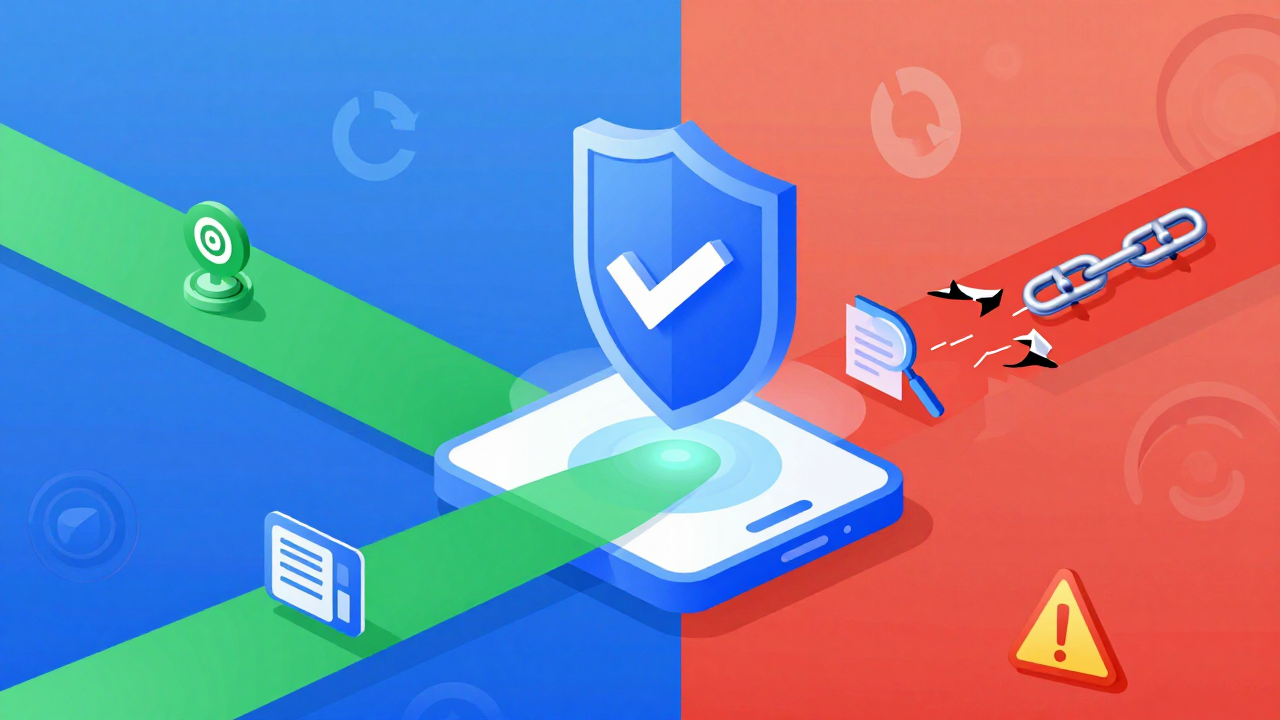
Actionable advice: Prioritize providers that automatically recycle expired numbers and don't store SMS content. For sensitive operations, consider physical SIM gateway solutions as a more secure alternative.
How to Pick a Reliable Provider: A Decision Checklist
In 2026, roughly 60% of users searching "which SMS verification platform is reliable" end up switching providers due to pricing or success rate issues. Here's a repeatable screening process:
- Test at least 3 platforms, running a minimum of 10 verification attempts on each
- Confirm per-use billing is available—avoid large upfront deposits
- Check for publicly available API documentation and a status page
- Verify customer support response time stays under 30 minutes
Industry consensus: In 2026, any provider that can't offer "automatic refunds on failure" or a "number quality report" shouldn't make your shortlist. Some tool-based platforms, like Getfollow, offer standardized solutions for number quality screening and API stability—worth comparing against other options.
Red flag: Avoid platforms that require uploading government-issued IDs or business licenses—the data breach risk is simply too high. Use anonymous payment methods where possible, and rotate providers periodically to reduce account linkage risk.
Frequently Asked Questions
Are SMS verification platforms still working in 2026?
Yes, but success rates now depend heavily on platform risk controls. Start with a small test batch before committing to large-scale use.
Which SMS verification platform is the best?
There's no universal answer. Screen providers based on three criteria: success rate, refund policy, and API stability. Some services like Getfollow offer standardized APIs worth evaluating, but always run your own tests.
Will using an SMS verification platform get my accounts banned?
There's inherent risk. In 2026, major platforms have improved virtual number detection. Avoid using virtual numbers for KYC or payment binding.
How do I choose a trustworthy SMS verification provider?
Focus on three things: per-use billing, refunds for failed deliveries, and a public status page. Also check how long the provider has been operating and read recent user reviews to avoid fly-by-night operations.
What does SMS verification cost in 2026?
Industry pricing ranges from $0.07 to $0.28 per SMS, with bundle discounts available. Be wary of anything below $0.04 per SMS—number quality is likely compromised.
Bottom line: SMS verification platforms remain a viable tool for cross-border verification workflows in 2026, but not every provider deserves your long-term trust. Set up a "primary + backup provider" strategy to eliminate single points of failure. Base your final decision on real test data, not marketing claims.