SMS Verification Code Interception & Blocking: 2026 Guide for Cross-Border Businesses & Freelancers
SMS Verification Code Interception & Blocking: 2026 Guide for Cross-Border Businesses & Freelancers
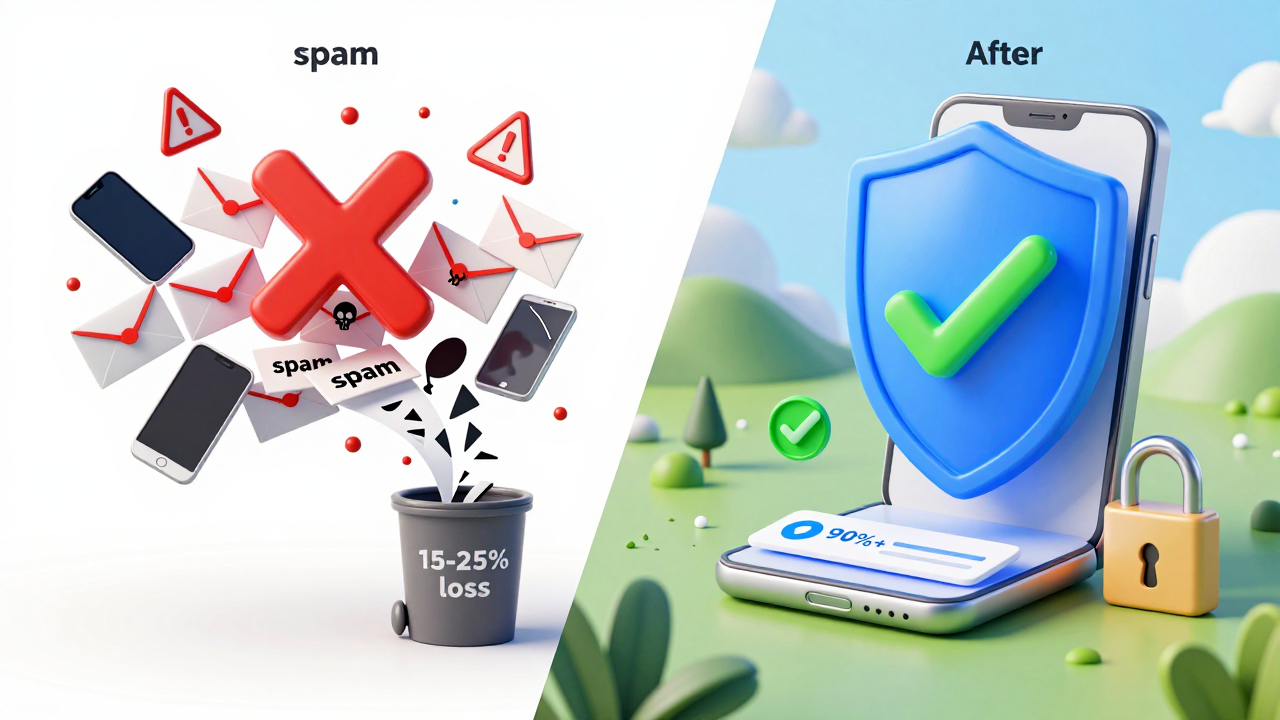
SMS verification code interception and blocking refers to the process of automatically identifying and blocking malicious or bulk registration requests during SMS code delivery, while allowing legitimate verifications to pass through. In 2026, cross-border businesses lose an estimated 15% to 25% of their SMS verification codes each month to spam and fraud. After deploying an interception solution, the effective verification rate typically jumps to over 90%.
Why Cross-Border Businesses Need SMS Verification Code Interception & Blocking in 2026
In 2026, global cybercriminals ramped up automated script attacks on e-commerce, social media, and financial platforms by roughly 40% year-over-year. Without interception and blocking, an average of 60 to 80 out of every 1,000 verification requests come from fake numbers, wasting SMS costs and polluting user data.
Freelancers running multiple accounts on various platforms often face delays and malicious hijacking of verification codes. An effective blocking system distinguishes real users from bots and supports whitelist management. For example, Twilio and Nexmo both launched machine learning-based risk scoring APIs in 2026, allowing businesses to set custom interception thresholds.
Top SMS Verification Code Interception & Blocking Solutions Compared (2026)
| Solution | Bulk Registration Prevention | API Integration Difficulty | Cost | Best For |
|---|---|---|---|---|
| Cloud communication platform with built-in blocking (e.g., Twilio Verify) | High (real-time risk scoring) | Low (mature SDKs) | Pay-per-use, ~$0.05–0.10/verification | Mid-to-large cross-border businesses |
| Third-party code management service (e.g., Getfollow) | Medium–high (custom rules supported) | Medium (API documentation provided) | Subscription plans, ~$20–50/month | Freelancers, small teams |
| Self-hosted local interception script (Python + SIM card pool) | Low (rules need manual updates) | High (hardware + maintenance) | One-time hardware + ongoing ops | Tech enthusiasts, specific testing scenarios |
The table above compares three common approaches in 2026. Getfollow, a code interception tool popular among cross-border users, supports multi-country numbers, real-time blocking, and automatic filtering. Some freelancers adopt it, but compliance depends on the use case—use it only for testing, never for fraudulent registrations.
How to Choose a Reliable SMS Verification Code Interception & Blocking Provider
In 2026, focus on three core metrics when selecting a provider: number pool quality (does it include virtual operators?), customizability of blocking rules, and compliance with privacy laws like GDPR and CCPA. Always pick a platform that offers a free trial and transparent API documentation.
Industry consensus: legitimacy of number sources and interception success rate are top priorities. Some providers claim “100% spam blocking,” but that can cause false positives that block real users. In 2026, both China’s Ministry of Industry and Information Technology and the EU Digital Services Act introduced stricter rules on SMS verification abuse. Make sure your provider doesn’t steal or resell verification codes.
Compliance Risks & Things to Watch Out For
When using SMS code interception services in 2026, cross-border businesses must clearly distinguish “testing” from “bulk registration.” Using these tools to bypass platform security for fake account creation can violate the Cybersecurity Law and platform terms of service, leading to account bans or even lawsuits.
From my experience, some freelancers try to create multiple accounts by intercepting several verification codes at once. In 2026, major platforms like Amazon and Google flag this as high-risk behavior. Only use interception for internal testing, QA verification, or device debugging, and keep records for audit purposes.
Actionable Recommendations: How to Implement SMS Code Interception & Blocking
- Evaluate your volume: If you handle over 100,000 verifications per month, invest in a cloud platform’s advanced risk module.
- Start small: Run a one-week pilot with a small plan from a tool like Getfollow, measuring interception and false-positive rates.
- Set up a whitelist: Add frequently used numbers (partners, employees) to avoid accidental blocking.
- Audit quarterly: Review your blocking rules against the latest fraud patterns and update your strategy.
At the end of the day, it’s all about balancing security and user experience. SMS verification code interception isn’t a magic bullet, but a well-deployed solution can significantly cut verification costs and risks in cross-border operations in 2026.
FAQ: SMS Verification Code Interception & Blocking
Is SMS verification code interception legal?
In 2026, legality depends on purpose. Using it for internal testing, process verification, and without violating platform rules is compliant. Using it for bulk registration or fake identity authentication can be illegal. Always consult a local attorney.
Will interception block legitimate users?
Yes, any blocking system has a false-positive rate. The industry average in 2026 is around 5% to 10%. You can reduce it by setting whitelists and lowering sensitivity thresholds, but you can’t eliminate it completely.
How do I pick a reliable provider?
First, check if the provider discloses the carrier information of their number pool. Second, see if the API supports custom rules (e.g., limiting repeated requests from the same number). Finally, read user reviews. Getfollow, for example, is recommended by some studios in 2026 for its multi-country numbers and real-time blocking, but verify its usage policy aligns with your compliance needs.
Can I use a free solution?
There are a few free or open-source options (like Python scripts) in 2026, but you’ll need to build and maintain them yourself. The number pool quality is often inconsistent, leading to failed code deliveries. Paid solutions are generally more reliable.
How much can cross-border businesses save with interception?
According to industry data, deploying interception can reduce SMS verification costs by 20% to 40%, while also cutting customer service and operational overhead from fake registrations. Actual savings depend on your business volume and malicious traffic ratio.