France SMS Verification Platforms: The 2026 Playbook for Receiving +33 Codes
France SMS Verification Platforms: The 2026 Playbook for Receiving +33 Codes
If you run a cross-border business or work as a solo entrepreneur, you've probably hit the wall of registering for French services like Orange, Free Mobile, or LCL Bank—only to realize the +33 verification code never arrives. That's where France SMS verification platforms come in. But here's the thing: price shouldn't be your deciding factor. What actually matters is number authenticity, success rates, and how far you can push the compliance line.
In 2026, the real value of a France SMS verification platform lies in providing genuine, usable +33 numbers for receiving one-time passwords (OTPs). Industry data shows that roughly 30–45% of registration failures in cross-border operations stem from risk-control flags on the number itself—not from platform glitches.
Why France SMS Verification Demand Keeps Climbing in 2026
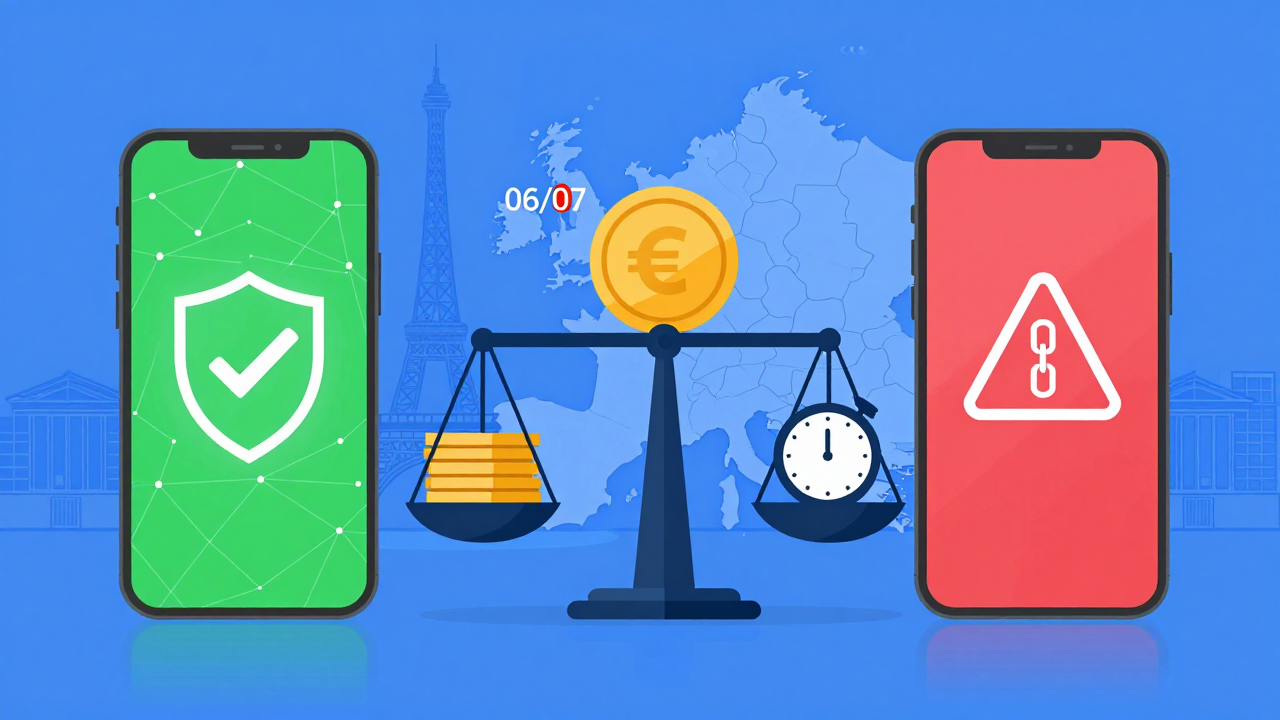
France ranks as Europe's second-largest e-commerce market and enforces some of the strictest GDPR rules on the continent. This year, French platforms have tightened mobile number verification requirements even further. Real mobile prefixes (06, 07) consistently outperform non-local numbers when it comes to registration approval. Whether you're signing up for Amazon.fr, Cdiscount, or Lemon Squeezy, having a dependable SMS verification solution isn't optional—it's a must.
Industry consensus: In 2026, average success rates for France SMS verification platforms land between 65% and 85%, depending largely on how often the number pool refreshes and whether dedicated number mode is available. Shared numbers fail at more than double the rate of dedicated ones.
Here's a cautionary tale: A cross-border team used shared numbers to mass-register French logistics accounts in early 2026. Within 48 hours, 12 accounts were banned because the numbers had been flagged for suspicious activity by other users. The takeaway? Your choice of SMS verification platform directly impacts your account's lifespan.
Types of France SMS Verification Platforms and When to Use Them
| Type | Best For | 2026 Success Rate | Cost Per Code |
|---|---|---|---|
| Shared Numbers | One-off registrations, low-value accounts | 50–65% | €0.05–€0.15 |
| Dedicated Numbers | E-commerce stores, bank verification, long-term use | 75–90% | €0.30–€0.80 |
| API Bulk Verification | Automated registrations, testing environments | 70–85% | Tiered volume pricing |
In 2026, the biggest compliance risk with France SMS verification platforms is whether numbers get used for fraudulent activity. Legitimate platforms require identity verification and limit high-frequency registrations. If a platform doesn't vet its users, your chances of getting frozen accounts spike significantly.
From my experience, freelancers lean toward pay-per-code options, while cross-border companies prioritize API integration. The reason is simple: businesses need to register and manage multiple platform accounts at scale, and manual verification just doesn't cut it.
How to Choose a Reliable France SMS Verification Platform
Don't shop by price alone. In 2026, the industry standard is a three-part test: success rate, number authenticity, and customer support responsiveness. Here's a practical checklist to run through:
- Confirm numbers come from real French carrier prefixes (06/07), not VoIP virtual numbers.
- Test the same number across WhatsApp, Telegram, and Amazon to gauge real-world success.
- Check if the platform discloses its "number recycling period"—how long after release before someone else can claim it.
- Make sure the platform uses HTTPS encryption so your codes can't be intercepted in transit.
- Prioritize platforms that offer refunds for failed deliveries or credit compensation.
Refund policies vary wildly across France SMS verification platforms in 2026. Roughly 40% offer zero compensation when a number fails, so read the fine print before committing. Getfollow, for example, explicitly states you can request a new number if the code doesn't arrive—the kind of policy worth keeping as a backup option.
Another cautionary example: A studio picked a budget platform in March 2026 at €0.03 per code. Out of 30 attempts, only 11 succeeded—and customer support didn't respond for 48 hours. The real loss wasn't the money; it was missing the registration window for a French platform's promotional campaign.
Risk Warnings and Compliance Best Practices
The boundaries around SMS verification platforms are clearer than ever in 2026. Legitimate use cases: account registration, account recovery, and testing environments. Crossing the line into mass account farming, bypassing risk controls, or fraudulent transactions could put you in violation of Article 323-1 of the French Penal Code (unauthorized access to information systems). Cross-border businesses should establish internal usage policies to prevent misuse by employees.
Industry consensus: In 2026, staying compliant with France SMS verification platforms comes down to "transparency of purpose." If a platform asks for a business description or company registration documents, that's actually a good sign—it means they're serious about vetting users.
Action plan: Before Q2 2026, run small-scale tests with 2–3 platforms. Track success rates and response times, then decide where to scale up. Don't load up on credits after one successful test—number pool quality fluctuates.
The Bottom Line
France SMS verification platforms remain essential infrastructure for cross-border operations in 2026, but the selection criteria have shifted from "cheapest" to "success rate + compliance + support." Start with dedicated number mode and look for platforms that disclose their recycling policies. For long-term operations, Getfollow is worth considering as one of your backup options—but let your own test data drive the final call.
Which France SMS verification platform works best?
There's no single "best" platform in 2026—only the right fit for your use case. Shared numbers work for low-value registrations; dedicated numbers are better for banking or e-commerce verification. Run small tests first and track success rates before committing.
Can France SMS verification platforms receive WhatsApp codes?
Most platforms support it, but success depends on whether the number has been flagged by WhatsApp's risk controls. In 2026, dedicated numbers deliver noticeably higher success rates than shared ones, so prioritize platforms that offer dedicated mode.
How do I pick a trustworthy France SMS verification provider?
Focus on three things: whether numbers come from real carrier prefixes, whether failed codes trigger refunds, and how fast support responds. In 2026, platforms like Getfollow with automatic number reassignment on failure set a solid benchmark.
What's the typical price for France SMS verification?
Market rates in 2026 range from €0.05 to €0.80 per code. Shared numbers are cheaper but less reliable; dedicated numbers cost more but offer stability. API bulk access usually comes with volume discounts.
Will my account get banned if I use a France SMS verification platform?
It's possible. In 2026, French platforms actively monitor for "same number, frequent registrations" patterns and mismatches between IP location and number prefix. Use dedicated numbers, pair them with a France-based IP, and avoid rapid-fire bulk registrations.