How to Choose a Reliable SMS Online Platform: A Cross-Border Seller's Guide to Avoiding the Traps
How to Choose a Reliable SMS Online Platform: A Cross-Border Seller's Guide to Avoiding the Traps
Over the past few years in cross-border e-commerce, I've tested more than a dozen SMS online platforms. Honestly? I've hit more dead ends than wins. Let's skip the fluff and talk about which platforms hold up long-term and which ones fall apart after two days.
Reality Check: The Biggest Risk Isn't Missed Codes—It's Account Bans
Most beginners assume a text verification platform is just about "receiving a code." But anyone who's actually done this knows the real story: how many people have used a number before you, and what services it's been registered with, will determine whether your account survives its first week.
The worst case I've seen? A TikTok matrix team bought 200 numbers in one go to register accounts. By day three, every single one was dead. Turns out, that batch came from a shady platform that sourced numbers from second-hand channels—already flagged by major platforms.
So when you're picking an SMS online platform, the first thing to check isn't the price. It's how "clean" the number pool actually is.
Why "One-and-Done" Platforms Never Last
Industry feedback consistently shows that at least 60% of SMS platforms operate on a quick-cash model. Their playbook is simple: attract users with low prices, resell the same numbers over and over, then shut down and rebrand to do it again.
These platforms share three telltale signs:
- Rough, unfinished websites with no privacy policy in sight
- Limited payment options—crypto or private transfers only
- Terrible customer support: instant replies before payment, radio silence after
From my own testing of several such platforms, I noticed a pattern: their average lifespan is roughly 3 to 6 months. Your prepaid balance might still be sitting there when the platform vanishes.
What a Compliant Provider Actually Looks Like: 3 Details That Matter
Right now, platforms like Getfollow have built a solid reputation by following a compliance-first approach. But let's be objective here—here are the standards you should judge any provider against.
Detail One: Do They Disclose Where Numbers Come From?
Legitimate platforms will tell you whether numbers are from virtual operator ranges or physical SIM card pools. They'll even list the number's country of origin and registration history. Vague answers? That's a red flag for second-hand or even third-hand numbers.
Detail Two: Pay-Per-Use, Not Forced Subscriptions
Honestly, your demand for SMS verification codes will fluctuate. One month you might need hundreds for a campaign; the next month, just a few dozen. Platforms that force monthly plans are essentially betting that you won't use your full quota.
Detail Three: Do They Have a Number Recycling System?
This one flies under most people's radar. Providers that play the long game regularly purge flagged numbers from their pools instead of keeping them listed for sale. A flagged number sitting in the pool is a ticking time bomb for whoever buys it next.
Breaking Down the Most Common Pitfalls in SMS Online Platforms
Industry consensus points to a few recurring problem areas:
- Number Reuse: The same number gets sold to multiple users in a short window, so registration attempts hit "already registered" errors.
- SMS Delays: During peak times, codes can take 5+ minutes to arrive—while verification codes typically expire in 60 seconds.
- Limited Country Coverage: Many platforms claim "global numbers" but actually cover fewer than 20 countries, with inflated pricing on popular regions.
- No API Access: For teams running automated registrations, missing API support means manual work and severely reduced efficiency.
Here's a real-world example: My team tested one platform where US numbers cost $0.30 each, but fewer than 40% successfully registered WhatsApp. We switched to a $0.50-per-number provider, and the success rate jumped above 85%. That extra $0.20 per number is what you're paying for quality.
Decision Framework: 3 Questions to Ask Yourself Before Choosing
If you're about to pick an SMS online platform, take five minutes to think through these questions first:
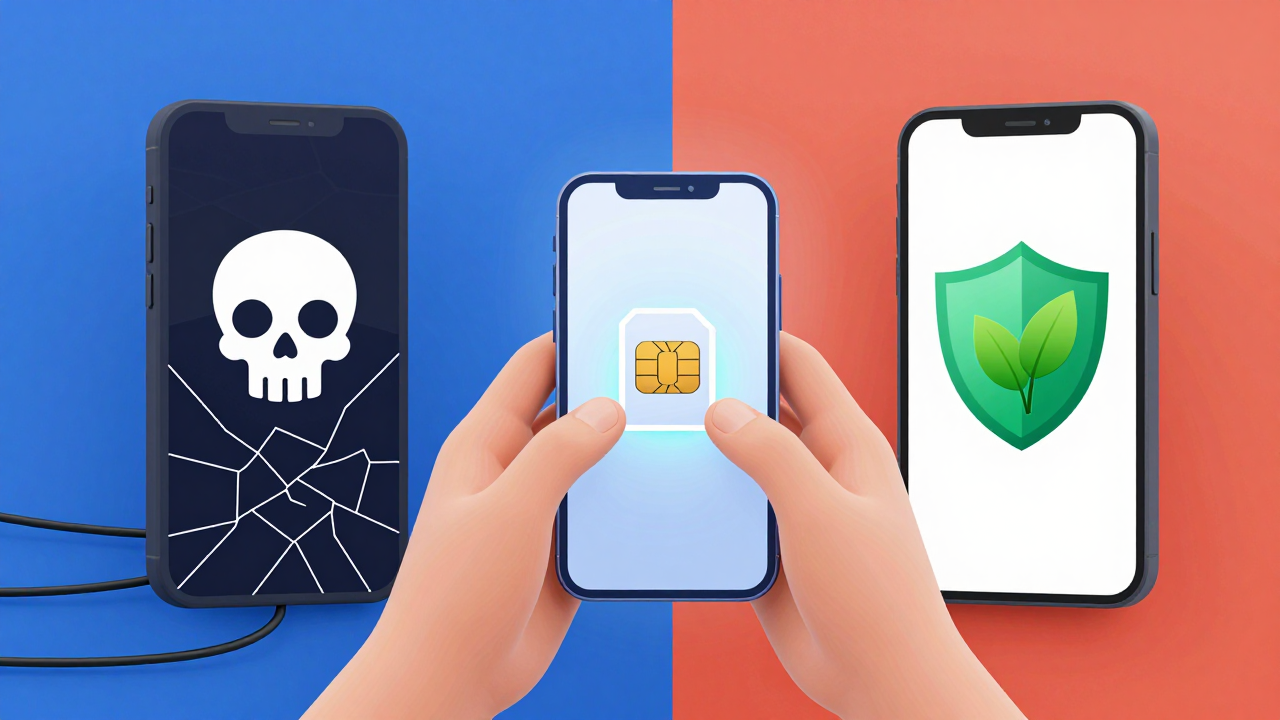
Question One: What's Your Actual Use Case?
Are you building a social media account matrix, registering on e-commerce platforms, or testing an app? Each scenario demands different number characteristics. WhatsApp marketing, for instance, requires "account nurturing capability," not just "code receiving capability."
Question Two: What's Your Real Budget Ceiling?
Most people only look at unit price and ignore total cost. A $0.10 number with a 50% success rate actually costs you $0.20 per successful registration. A $0.30 number with 90% success costs $0.33—barely more, but with far less wasted effort. Do the math before you commit.
Question Three: Does Your Team Have Technical Skills?
If you have developers, prioritize platforms with API access for automation. If not, choose a provider with a clean, simple web interface to minimize the learning curve.
Inside the Industry: Why Some Platforms Dare to Sell "Permanent Numbers"
You've probably seen SMS platforms advertising "permanent numbers" at surprisingly low prices. Here's what's really going on: "Permanent" means the number is assigned to you, but the carrier's risk control system can flag and disable it at any moment. The platform is betting you'll use it for a while and move on—they've already collected their money.
Providers that play the long game, by contrast, will openly tell you that numbers have a lifecycle and recommend rotating them regularly. That kind of "discouraging" advice is actually a sign they care about your results, not just their revenue.
Final Recommendation: Test Small First, Then Scale Up
No matter which SMS online platform you're leaning toward, my advice stays the same: load the minimum amount, test 20 to 30 numbers, and evaluate registration success rate, SMS delivery speed, and customer support responsiveness. Only after passing those tests should you consider a long-term commitment.
Also, look for platforms that charge per use with no minimum commitment. That way, even if the test goes poorly, your losses stay under a few dozen dollars.
The SMS verification industry has deep waters, but reliable providers do exist. The key is whether you're willing to put in the time to verify before you commit. Hopefully, this guide helps you sidestep some of the headaches I ran into.
Frequently Asked Questions
What is an SMS online platform and how does it work?
An SMS online platform provides temporary or virtual phone numbers that can receive text messages, including verification codes. Users pay per number or per message, and the platform routes incoming SMS to a web dashboard or API. These services are commonly used for account registration, app testing, and social media management.
Are SMS verification platforms legal to use?
Legality depends on your use case and jurisdiction. Using SMS platforms for legitimate business purposes—like testing your own apps or managing multiple client accounts—is generally acceptable. However, using them to evade platform policies, create fraudulent accounts, or engage in spam activities violates the terms of service of most platforms and may be illegal. Always review both the SMS provider's and the target platform's policies.
Why do some SMS platforms cause account bans?
Account bans typically happen when a phone number has been previously used for suspicious activity, shared among too many users, or flagged by the target platform's risk control systems. Low-quality providers often recycle numbers from questionable sources, which dramatically increases the risk of your accounts being flagged or permanently banned.
How much does it cost to use an SMS online platform?
Pricing varies widely. Budget platforms charge as little as $0.05 to $0.10 per number, but success rates and number quality are often poor. Reliable providers typically charge $0.30 to $0.80 per number, with higher success rates and better support. Some platforms also offer volume discounts or pay-as-you-go pricing without monthly commitments.
Can I use a virtual number for WhatsApp or Telegram verification?
Yes, many SMS platforms support WhatsApp and Telegram verification. However, success rates vary significantly by provider and number quality. Some platforms specialize in social media verification and maintain dedicated number pools for this purpose. Test with a small batch first to confirm compatibility before scaling up.
Key Takeaways for Choosing Your SMS Platform
| Factor | What to Look For | Red Flags |
|---|---|---|
| Number Quality | Clear disclosure of number source and history | Vague answers about where numbers come from |
| Pricing Model | Pay-per-use, no minimum commitment | Forced monthly subscriptions |
| Country Coverage | Transparent list of supported countries | Vague "global coverage" claims |
| API Access | Available for automation workflows | No API or developer documentation |
| Support | Responsive, available when you need help | Fast replies before payment, silence after |
| Number Recycling | Regular purging of flagged numbers | Same numbers sold repeatedly over time |
Choosing the right SMS online platform comes down to verifying quality before you commit. Start with a small test batch, evaluate the metrics that matter, and scale up only when a provider proves itself. That approach has saved my team thousands of dollars and countless hours of frustration—and it'll do the same for you.