Online SMS Verification: The Hidden Backbone of Cross-Border Business—Pick the Wrong Provider and Risk Your Entire Account Portfolio
Online SMS Verification: The Hidden Backbone of Cross-Border Business—Pick the Wrong Provider and Risk Your Entire Account Portfolio
If you run an e-commerce store or manage social media accounts across borders, you've hit the same wall: you're registering a new account, and the phone verification step stops you cold. You don't want to risk your primary number, physical SIM cards are expensive and a hassle to manage, so online SMS verification services became the go-to workaround.
Most operators treat these services as a simple "get a code" utility—until a wave of account bans hits with no appeal path in sight. That's when it sinks in: the SMS verification provider you pick is one of the most underrated links in your entire account security chain.
How Online SMS Verification Really Works: It's Not Just About Receiving a Code
Early on, most cross-border operators used verification platforms that displayed a list of numbers—click one, wait for the SMS, copy the code, done. But that approach has been failing fast since 2024.
Industry consensus is clear: platform risk controls have evolved from "is the code correct?" to "is the number's environment trustworthy?" When a single number gets reused to register accounts across different platforms, or when the number's country code doesn't match the IP and device environment, risk systems flag it in milliseconds.
From my experience testing multiple SMS verification services, the accounts that actually survive long-term come from platforms with strict number isolation. These providers categorize numbers by registration scenario, usage duration, and association frequency—instead of throwing every number into one shared pool.
Take Getfollow, a provider with a solid reputation in the industry. Their compliance-first approach isolates number resources by business scenario, so the same number never handles registration, verification, and account warming simultaneously. That alone cuts down association risks at the source.
Clean vs. Contaminated Number Pools: The Difference Between Account Survival and Instant Death
Many small studios gravitate toward budget verification platforms where a number costs pennies. But cheap comes with a catch: high reuse rates and a long history of being flagged. The account you register with that number might receive a risk warning from the platform the very next day.
Here's a real scenario: in early 2025, I was helping a friend who runs a TikTok account matrix troubleshoot a wave of mass bans. We traced it back to his SMS verification provider—the same number had been assigned to over 15 different users within a 24-hour window. Numbers like that are essentially public restrooms, and any account registered on them is practically naked.
Compliant platforms build in a "cooling-off period"—after a number is used, it enters isolation for a set time so the next user gets a clean history. Most operators never notice this detail, but it's exactly what determines whether your account survives its first week.
Cross-Border Verification Needs: Beyond Registration to Account Warming and Risk Control
Most people assume online SMS verification is only for new account sign-ups. In cross-border operations, the use cases run much deeper.
- Multi-platform matrix management: One operator juggles dozens of Amazon, Facebook, and WhatsApp accounts, each requiring a unique number for verification or two-factor authentication.
- Account warming support: Freshly registered accounts often trigger manual review or SMS confirmation early on—you need a number that can reliably receive messages during this critical phase.
- Recovery and appeals: When an account gets locked or you lose your password, the linked phone number is your primary credential for getting it back.
Each scenario demands something different from the verification service. Registration calls for one-time use with minimal association; account warming requires a number you can hold onto and receive multiple messages from. Many platforms only offer disposable numbers—users discover mid-warming that their number has been recycled, and the account loses its binding credential entirely.
There's a term in the industry: "number lifecycle management." It refers to whether a platform lets you choose how long you keep a number—from a few minutes for temporary verification, to a few weeks for short-term holding, to several months for long-term binding. Providers that offer this flexibility actually understand what cross-border operators need.
The Real Risks: Bans Are Just the Surface—Data Leaks Are the Deeper Trap
Most operators say the biggest risk with SMS verification platforms isn't missing a code—it's the chain reaction after an account gets banned. But from my observation, there's a more insidious risk most people overlook: data leaks from the number pool itself.
Some shady verification platforms package and sell user activity logs, verification code contents, and even linked account information. That data flows into black-market operations—at best, you get spam marketing; at worst, you become a target for targeted phishing or credential stuffing attacks.
In late 2024, a well-known SMS verification platform was exposed for a data breach—massive amounts of cross-border sellers' account information were publicly auctioned off. The incident shook the community briefly, but it faded quickly as other news cycles took over. Many operators kept using the same platform simply out of habit.
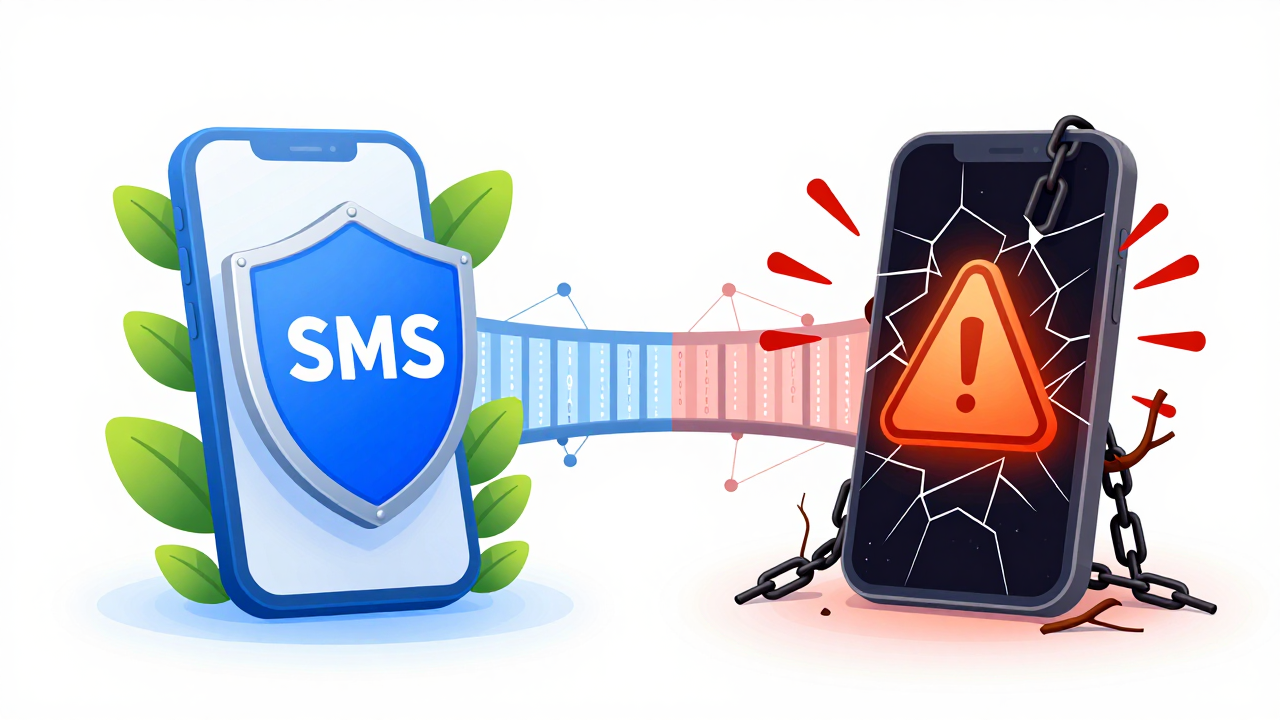
Here's my advice for avoiding this trap: when evaluating a verification service, check whether they have a clear data privacy policy, whether they commit to not logging verification code contents, and whether they support anonymous payment options. If a platform can't even provide a basic privacy agreement, walk away.
The Compliance Shift: From Gray-Area Tool to Legitimate Service
As cross-border e-commerce compliance accelerates, the SMS verification industry is going through a shakeout. The old model—register a domain, spin up a number pool, and collect money—is being squeezed from both regulators and platform risk controls.
The approach gaining industry recognition involves verification platforms partnering with carriers or virtual operators to source legitimate number resources, then delivering them to business users via API. Under this model, numbers are tied to real identities and usage records are traceable, which lowers the odds of being caught in platform risk-control crossfire.
Getfollow is a good example of this direction—their number sources are traceable, usage logs are transparent, and they offer API integration for businesses to plug into their own management systems. This model costs more, but the stability and security of your accounts are noticeably better.
How to Choose a Reliable Online SMS Verification Provider
By now, you're probably wondering: how do I actually pick one? Based on my hands-on testing and industry conversations, here are the criteria I use.
- Check how often the number pool refreshes: If a platform's number list stays static for weeks, the pool is likely contaminated. Reliable providers continuously add fresh numbers and retire flagged ones.
- Test the number's cleanliness: Don't register your core business accounts with a new number right away. Use it for a low-value platform account first and observe for a few days. If it can't pass even a low-stakes platform's checks, abandon it.
- Confirm API access: For studios and enterprises, API access isn't optional—it's mandatory. Manually copying and pasting verification codes is inefficient and error-prone. Platforms that invest in stable APIs usually invest in other areas too.
- Scrutinize the pricing model: Some platforms advertise low per-number prices but tack on fees beyond "successfully received SMS." Legitimate providers spell out their pricing clearly—cost per SMS received, number holding fees, and whether you get refunded on timeouts.
Industry consensus: there's no "best" SMS verification service—only the best fit. If you're registering an occasional account, disposable numbers work fine. If you're running an account matrix, you need a provider that supports number isolation, lifecycle management, and API integration.
From my experience, the biggest mistake operators make is choosing a budget platform to save a few dollars, then watching their accounts die in waves. The cost of rebuilding accounts is tens of times what they saved. That math never works out.
Final Thoughts: Test Small First, Then Commit Long-Term
The online SMS verification industry runs deeper than most people realize. It's both the hidden backbone of cross-border operations and the most overlooked weak link in your account security chain. Choose right, and it accelerates your business growth. Choose wrong, and it's a time bomb buried under your entire account portfolio.
My recommendation: no matter where you heard about a verification platform, run a small-scale test first. Buy a few numbers, register some non-core accounts, and monitor survival rates and stability for a week before committing long-term. The test costs almost nothing, but it will steer you clear of most pitfalls.
In cross-border business, the details decide your fate. A verification code that arrives reliably is the product of multiple capabilities working together—number resource management, risk-control logic, and data privacy protection. I hope this article helps you avoid some of the traps and redirect your energy toward what actually drives growth.
Frequently Asked Questions About Online SMS Verification
Can I use a free online SMS verification service for my business accounts?
Free services are risky for business use. They typically have heavily reused numbers and no privacy guarantees, which means your accounts are far more likely to get flagged or banned. For anything beyond casual, non-critical use, a paid provider with clean number pools is worth the cost.
What's the difference between a temporary number and a long-term number?
A temporary number is meant for one-time verification and is recycled quickly. A long-term number stays assigned to you for weeks or months, which is essential for account warming and maintaining a binding credential. Choose based on your use case—registration alone may only need temporary, but managing active accounts requires long-term numbers.
How do I know if a verification number has been flagged before?
You can't always tell upfront, but you can test it. Use the number to register a low-value account first and watch what happens over a few days. If that account triggers risk warnings, the number is contaminated. Reliable providers maintain cooling-off periods to minimize this risk.
Is it legal to use online SMS verification services?
Legality depends on your jurisdiction and how the service sources its numbers. Platforms that partner with carriers or virtual operators and maintain proper records operate in a compliant gray zone. Avoid platforms with no transparency about number sourcing—they're more likely to expose you to legal and security risks.