Can You Really Receive and Reply to SMS via Virtual Numbers in 2026? The Truth for Cross-Border Sellers
Can You Really Receive and Reply to SMS via Virtual Numbers in 2026? The Truth for Cross-Border Sellers
Here's the bottom line upfront: the mechanism behind receiving and replying to SMS via virtual numbers is real in 2026, but whether it actually works for you depends entirely on your use case and the platform you're targeting. A lot of newcomers confuse "SMS verification" with "account farming," and end up paying a costly tuition fee for that misunderstanding.
From my experience working with cross-border sellers, platform detection systems in 2026 have gotten incredibly sophisticated—they're now tracking device fingerprints, IP purity, and even sensor data. The old trick of grabbing a virtual number to mass-register accounts for ad campaigns? That door is basically welded shut. However, if your goal is account recovery, two-factor authentication, or receiving service notifications from overseas platforms, using a virtual number to receive and reply to SMS remains a legitimate, working solution.
Why Is "Receive and Reply SMS via Virtual Numbers" So Controversial in 2026?
The core disagreement boils down to one question: what are you actually using that number for? Industry consensus is that SMS verification services are neutral tools—it's the use case that determines your risk level.
- Low-risk use cases: Receiving one-time passcodes for login protection or account recovery. Any decent verification platform handles this easily, and the cost is minimal.
- Medium-risk use cases: Bulk-registering social media accounts for content matrices. In 2026, algorithms are scarily good at spotting "zombie accounts." New profiles without avatars, bios, or consistent posting activity get throttled fast.
- High-risk use cases: Binding virtual numbers to payment accounts or running ad verification. Fair warning here: payment gateways cross-check phone numbers against real-name registration data, and virtual number ranges almost always trigger automatic rejection.
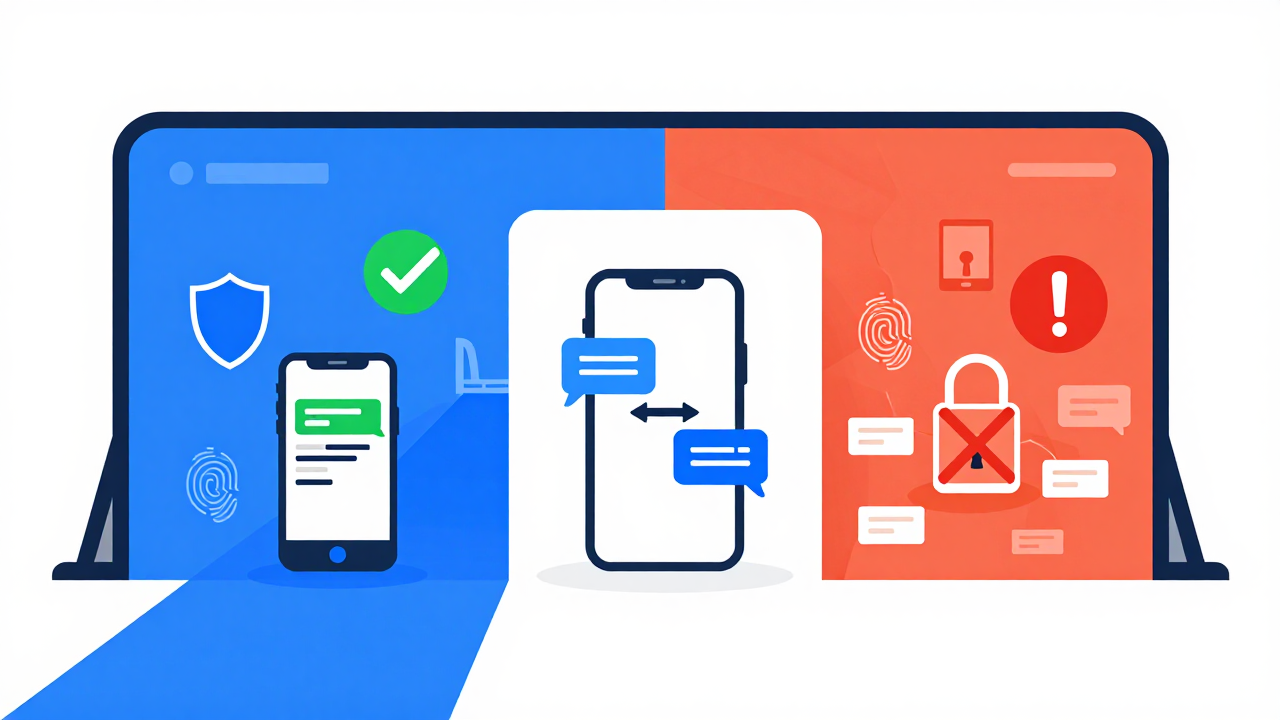
A pattern I keep seeing among cross-border operators is that the biggest pitfall in 2026 isn't a verification platform shutting down—it's overlooking the importance of the "reply to SMS" step. Certain platforms (especially WhatsApp and Telegram) randomly send a confirmation SMS during risk control checks, requiring you to reply with a specific keyword. If your virtual number can't receive or respond to these two-way SMS messages, your account gets frozen within 24 hours.
Here's a real example from my own testing: when I registered on a Southeast Asian e-commerce platform using a virtual number, the platform asked me to reply "Y" to confirm I wasn't a bot. The verification service I was using only supported one-way reception—my account got flagged as high-risk immediately, and that ended up jeopardizing my subsequent store review. So, when choosing a verification service in 2026, confirm it supports two-way SMS—this matters more than price.
The Real State of SMS Verification Platforms in 2026
Today's verification providers are far removed from the shady "black-market only" reputation of the early days. As cross-border compliance demands have grown, the industry has split into two distinct models: pure tool platforms and account-health service platforms.
Pure tool platforms simply give you access to a pool of numbers. You buy a number, receive your code, and move on. The upside is low cost. The downside? You have no idea what that number was previously used for. If it's from a flagged number range, your registration on any platform will be dead on arrival.
Account-health platforms, on the other hand, focus on the "wellness" of the numbers they provide. Take Getfollow as an example—their 2026 approach involves offering dedicated number resources that simulate real user behavior patterns (like receiving a few unrelated SMS messages first and maintaining online presence) before handing the number over to you. Virtual numbers from this model show significantly better survival and retention rates.
Industry data suggests that virtual number retention rates in 2026 typically land between 50% and 70%, depending on the platform you're registering for. If the platform requires immediate identity verification after signup, that rate drops to below 30%. So, don't treat a virtual number as a "permanent secondary account"—think of it as a one-time bridge tool.
How to Pick a Reliable SMS Verification Provider: A Decision Framework
If you've decided that using virtual numbers for SMS verification is the right move for your situation, here are the three most critical criteria for vetting providers in 2026.
First, check whether they enforce a "cooling-off period" after number recycling. Many platforms prioritize turnover—a number gets used by Customer A and immediately resold to Customer B. That's how you end up seeing "this number is already registered" when trying to sign up. Reputable providers enforce a 24-to-48-hour cooldown. Ask customer support directly about this; if they give you a vague answer, walk away.
Second, look for a written "failure refund" policy. Cross-border operations are time-sensitive. If you top up your balance and never receive the code, does the platform refund instantly or make excuses? The more established platforms in 2026 offer a "full refund if code not received" guarantee. Getfollow, for instance, spells out their compensation rules for undelivered verification codes directly in their service agreement. Written terms beat verbal promises every time.
Third, test the response latency for SMS replies. This one's easy to overlook. Buy the cheapest number during off-peak hours (say, 2 AM Beijing time) and run a full test: from receiving the SMS to sending your reply, measure the total time. If latency exceeds 60 seconds, you'll be at a serious disadvantage in scenarios like domain grabbing or limited-slot registrations.
Now, a reality check: don't trust any platform that claims "100% stability." In 2026, major tech companies update their virtual number detection databases on an hourly basis. A number range that works today could be blacklisted tomorrow. No provider can guarantee permanent stability—the best they can do is respond quickly and honor refunds.
Risk Warning: The Underlying Logic of Bans and Associated Penalties
What many small studios experience in 2026 goes like this: accounts registered via virtual numbers operate normally at first, then suddenly get banned in batches—and worse, the main business account gets hit with associated penalties. The root cause here is device fingerprint correlation.
Your virtual number might be perfectly clean. But the phone or computer you used for registration? It may have already been flagged by the platform due to other operations. When the risk control system detects "this device has a history of abnormal registrations," your newly created account goes into secondary review. The virtual number ends up taking the blame.
So if you're going to use virtual numbers for SMS verification, follow this rule strictly: dedicated device, dedicated network, dedicated number range. Even if it costs a bit more, never mix your verification activities with your main business operations on the same device. This is the single most effective risk-avoidance measure I've found through hands-on testing.
One more detail that often slips under the radar in 2026 platform penalty rules: if a virtual-number-registered account shows no meaningful interaction within 7 days (like posting content or adding friends), it gets classified as a "silent account" and cleaned up. So after successful registration, complete your profile and take one or two genuine actions quickly. It makes a real difference in survival rates.
Final Verdict: Test Small First, Then Scale
Back to the original question—can you really receive and reply to SMS via virtual numbers? The answer is: the mechanism is real, but results depend on how you manage expectations. If you're hoping to mass-register accounts and drive aggressive traffic, the 2026 algorithms will leave you with nothing. If you treat it as a compliance tool for account security and recovery assistance, it will genuinely save you time and headaches.
Here's my responsible advice: whichever provider you're considering, spend a small amount first—like a few dozen dollars—to run a complete test cycle: registration, SMS reception, reply, and account retention. Only after that works smoothly should you consider scaling up. Don't load up on large prepaid packages just because customer support was friendly. Cases of providers vanishing with prepaid balances are still common in the cross-border space in 2026.
If your testing reveals a platform that consistently supports two-way SMS and has clear refund policies, that's a partner worth keeping long-term. As for which specific provider—verify through industry community口碑. After all, what works for someone else might not fit your workflow, and vice versa.
Frequently Asked Questions
Is receiving SMS verification codes with virtual numbers legal?
Using virtual numbers to receive SMS codes isn't illegal in most jurisdictions, but it may violate the terms of service of the platform you're registering on. If the platform detects a virtual number, your account could be suspended or banned. Always check the platform's terms before using a virtual number for registration.
Why do my accounts get banned even when the virtual number works fine?
In most cases, the ban isn't caused by the number itself—it's triggered by device fingerprint correlation. If your device has a history of abnormal registrations or other flagged activities, the platform's risk control system will apply secondary review to any new accounts created from that device, regardless of how clean the phone number is.
What's the difference between one-way and two-way SMS verification?
One-way SMS verification only requires you to receive a code. Two-way SMS verification requires you to both receive a message and reply with a specific keyword or confirmation code. Platforms like WhatsApp and Telegram use two-way verification during risk control checks. If your virtual number service doesn't support replies, your account may be frozen within 24 hours.
How much does it cost to receive and reply to SMS via virtual numbers in 2026?
Pricing varies by provider and number quality. Basic one-time verification numbers typically cost between $0.05 and $0.50 per number. Numbers from account-health platforms with higher retention rates and two-way SMS support can range from $1 to $5 per number. Bulk packages usually offer volume discounts, but start with a small test batch before committing.
Can I use the same virtual number for multiple accounts?
Technically yes, but it's strongly discouraged. Most platforms flag numbers that are associated with multiple accounts, and this can trigger automatic bans for all linked accounts. For any serious cross-border operation, use a fresh virtual number for each registration.