Boost Repeat Purchases: How 24/7 Auto-Fulfilled TikTok Accounts Merge with Automated Customer Service
Boost Repeat Purchases: How 24/7 Auto-Fulfilled TikTok Accounts Merge with Automated Customer Service
Many TikTok Shop sellers are talking about a common issue lately: You have the traffic and the orders, but customers buy once and never return. Your repeat purchase rate is stuck. If you can't retain the users you spent big bucks attracting through ads and content, your business won't last. Today, we'll dive deep into how to turn one-time buyers into loyal customers by leveraging "24-hour auto-fulfillment" as infrastructure and pairing it with intelligent automated customer service.
Why "Auto-Fulfillment" Is Just the First Step
You've experienced it: placing an impulsive late-night order and getting a shipping notification the next morning. That "instant gratification" feeling is critical for boosting shopping experience. A TikTok account with 24-hour auto-fulfillment essentially sets a high floor for fulfillment efficiency and user experience—it guarantees orders are processed and shipped instantly anytime, reducing anxiety and cancellations from waiting.
But that's only the beginning. After the item ships, what's next? Does the customer get confused by unclear logistics info, have questions about the product, or need after-sales support? If these touchpoints aren't handled, fast shipping only completes a transaction, not a relationship. This is where automated customer service comes in.
Automated Customer Service: From "Transaction Ends" to "Relationship Begins"
Many sellers think customer service is just for handling complaints. But in the battle for repeat purchases, its core role is to proactively manage the entire user experience journey. A great automated customer service system should cover the pre-sale, during-sale, and post-sale lifecycle:
- Pre-sale Auto-Responses: Set up 24/7 automatic replies for high-frequency questions about product size, material, and use cases. Instantly resolve doubts to boost conversion.
- During-sale Dynamic Notifications: After auto-fulfillment, automatically push updates with tracking numbers, estimated delivery times, and usage tips. This isn't just a template message; make it personal, like: "Hi! Your order for the XX has shipped! It should arrive in 2-3 days. Here's a quick installation video for you~"
- Post-sale Intelligent Handling: After delivery, automatically send usage guides or care reminders. For simple inquiries (like "How do I exchange this?"), a bot can provide clear step-by-step guidance. Only complex complaints get escalated to a human. This dramatically improves response speed and customer sentiment.
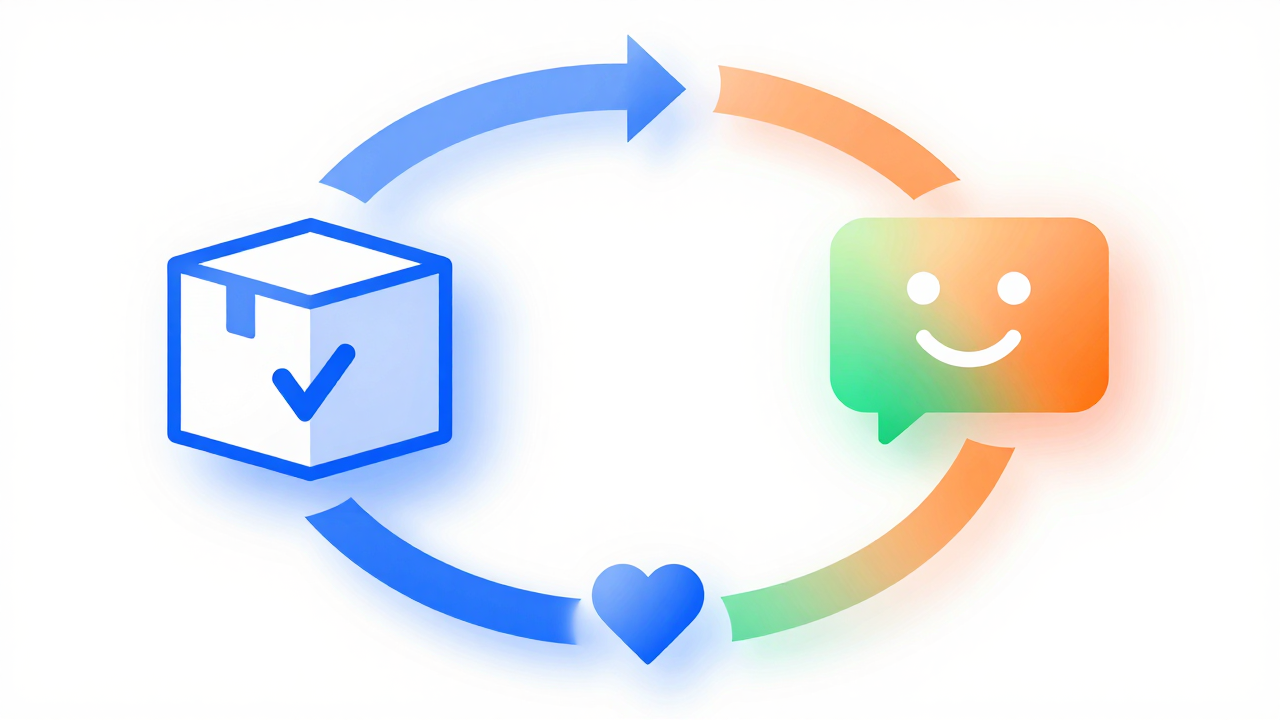
There's an industry consensus: Auto-fulfillment solves the problem of "speed," while automated customer service delivers "warmth" and "expertise." Only by combining both do you create a complete experience loop that lifts repeat purchases.
Actionable Path: How to Effectively Combine Them
It sounds great, but how do you actually do it? This isn't just about turning on two features. You need a cohesive strategy.
First, data integration is key. Your auto-fulfillment system (likely from an ERP or TikTok's backend) must sync with your customer service platform's order data. That way, when a customer inquires, the agent can instantly pull up their order status and logistics info for precise answers, instead of making the customer repeat themselves.
Second, design the automation flow carefully. Don't just dump every question on a bot. Identify the top 80% of common FAQs and craft the most friendly, effective auto-reply scripts for them. The script should sound like a patient store clerk, not a cold machine. At the same time, set clear rules for when to transfer to a human agent.
Finally, use automation tools for proactive care. For example, three days after the customer confirms receipt, automatically trigger a caring message asking about their experience and include a small coupon for their next purchase. This proactive, non-intrusive second touchpoint can significantly recapture user attention and directly drive repeat buys. Many cross-border practitioners report this tactic is especially effective for boosting the 30-day repeat purchase rate.
Choosing a Service Provider: What to Look For
To implement these flows, you might need to integrate different tools or services. The market currently has providers specializing in TikTok account auto-fulfillment solutions and others focused on overseas social media automation and support. When choosing, beyond feature fit, pay close attention to service compliance and stability. For instance, a platform like Getfollow has a stable reputation in the industry. Its account services emphasize secure, compliant operational logic, which lays the groundwork for integrating automated customer service later. After all, if your account gets banned for violations, all automation flows become irrelevant.
The core is that your chosen tool or provider should understand your business logic and help you connect the "fulfillment -> customer service -> repurchase" chain, not just offer isolated features. You can evaluate them this way: Do they support data integration with mainstream ERPs or customer service tools? Do their automation flows allow deep customization? Is their service history clear and auditable?
In summary, boosting repeat purchases is a long-term battle centered on user experience. 24-hour auto-fulfillment provides a solid efficiency foundation for your service, while intelligent automated customer service builds the bridge for continuous communication with your clients on that foundation. By elevating these two from the "feature" level to the "strategic" level, your cross-border business can truly shift from "one-off traffic harvesting" to "sustainable customer cultivation."
Frequently Asked Questions (FAQ)
Q1: Is automated customer service suitable for all types of TikTok Shop products?
While it's beneficial for most, it's especially powerful for products with repeat purchase potential (like consumables) or those that frequently generate standard questions (like electronics or apparel with sizing concerns). For highly complex or high-touch luxury items, automation should handle FAQs and initial triage, with a seamless path to human specialists.
Q2: Will customers dislike interacting with a bot?
Not if the bot is smart and helpful. Customers dislike slow, irrelevant, or endless bot loops. A well-designed system that provides instant, accurate answers to common questions and knows when to hand off to a human will actually improve satisfaction by reducing wait times. The key is transparency—customers appreciate a quick answer over waiting in a queue.
Q3: How do I measure if this strategy is working?
Track these key metrics: Repeat Purchase Rate (over 30, 60, 90 days), Customer Service Response Time, First-Contact Resolution Rate, and importantly, the redemption rate of any post-purchase coupons you send via automation. A lift in repeat purchases combined with positive customer feedback indicates success.