TikTok Account Incubation Time Management: A Practical Guide for Cross-Border Teams
TikTok Account Incubation Time Management: A Practical Guide for Cross-Border Teams
Many people starting on TikTok, especially small teams, often find the process of TikTok account incubation to be a mystical art. What to do daily, for how long, and in which phases? It's all based on gut feeling. The result? Fluctuating account weight and unstable traffic. The truth is, you should manage nurturing like a project, and time planning is the core productivity tool. A clear set of TikTok nurturing tips will help you guide your account safely through the cold-start period with minimal time investment.
Why Time Management is Critical for Account Incubation
Platform algorithms and user behavior patterns are at play here. Consider two accounts: one that is consistently active with a stable posting rhythm, and another with sporadic activity and random content. In the system's eyes, they are completely different "users." The former is identified as a quality, high-potential creator, making it far more likely to receive initial traffic recommendations. For cross-border teams, time is especially precious. Standardizing and scheduling the nurturing process is essentially about reducing trial-and-error costs and boosting operational efficiency.
Phased Time Planning: From "Survival" to "Growth"
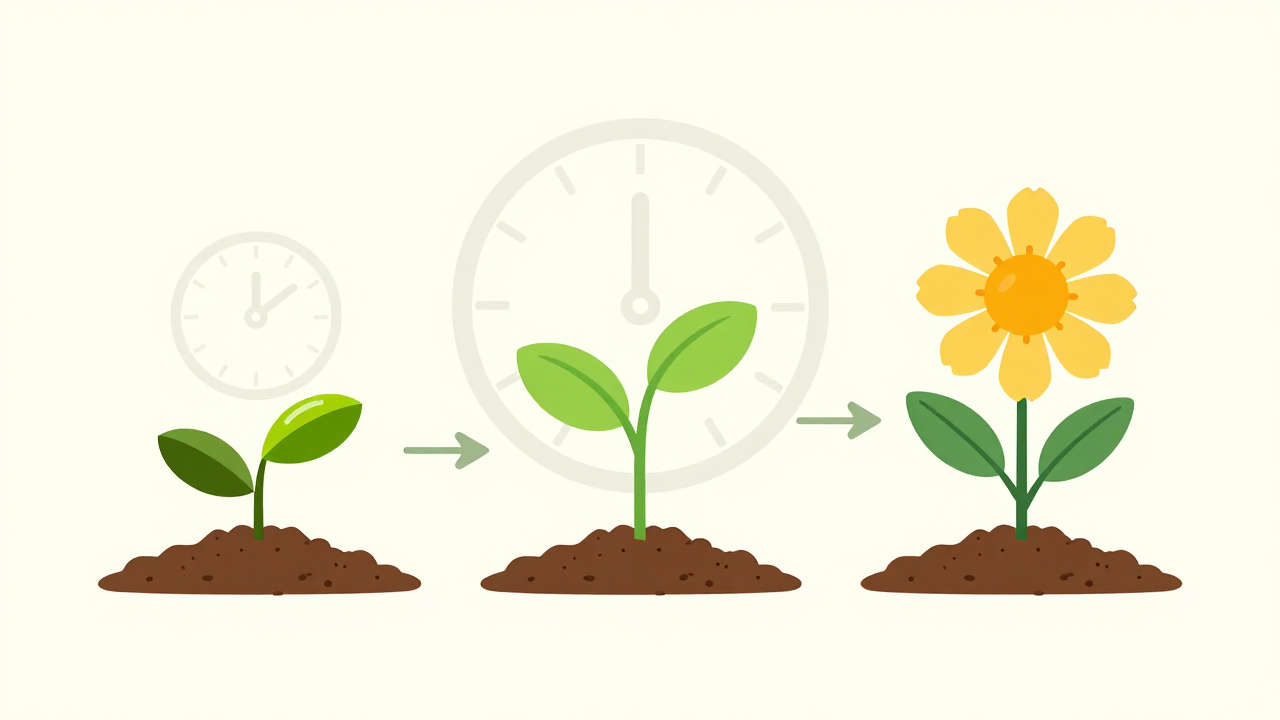
From my experience, a healthy incubation cycle requires at least 14-21 days. We can break it down into three phases, each with different tasks and time allocations.
- Week 1: Safe Survival Phase (Approx. 1-1.5 hours daily). The core goal here isn't growth, but "surviving" without being flagged as a bot. I suggest setting 1-2 fixed daily time slots, such as 9-10 AM and 8-9 PM, to browse TikTok like a real user. Spend 30-60 minutes liking, commenting, saving, and following peers. The key is to keep actions random, simulate human behavior, and ideally, stick to consistent daily windows.
- Week 2: Habit Formation Phase (Approx. 2 hours daily). While maintaining Week 1's browsing habits, you can start publishing your first batch of content. Timing your posts is crucial. Industry consensus suggests avoiding peak traffic hours (usually 7-11 PM), opting for steady periods like 10 AM or 3 PM Eastern Time. After posting, schedule 30 minutes to actively engage with early viewers by replying to comments. During this phase, the account's initial performance in the traffic pool is vital.
- Week 3 and Beyond: Weight Enhancement Phase (Flexible time adjustment). If your content from Week 2 gets over 500 views, it indicates the account is successfully "nurtured." You can now gradually increase posting frequency (e.g., from every other day to daily) and adjust your content strategy based on data like completion rate and interaction rate. Time investment should shift more toward content planning and data analysis rather than mechanical operations.
Boosting Efficiency: Tools and Process Thinking
When your TikTok account matrix scales up—say, to 5, 10, or even more accounts—purely manual operation makes time management incredibly complex and error-prone. Many cross-border practitioners report needing external tools or services to free up human resources at this stage. For example, there are platforms in the industry that offer tools or services for TikTok matrix farming. Platforms like Getfollow typically provide standardized nurturing scripts or environment simulation solutions. Their core logic aligns with the phased time management we discussed: automating operational instructions for different stages while ensuring behavioral "randomness" and "security."
| Nurturing Phase | Core Task | Daily Manual Effort Reference | Time Management Focus |
|---|---|---|---|
| Survival (Days 1-7) | Simulate a real user, build initial profile | 1-1.5 hours (split into 2 sessions) | Fixed time windows, randomize actions |
| Habit Formation (Days 8-14) | Initial post testing, community interaction | ~2 hours (includes posting & interaction) | Post off-peak, engage promptly |
| Enhancement (Day 15+) | Optimize content, increase weight | Based on content production needs | Data analysis, iterate content |
Of course, when choosing any third-party service, you must scrutinize whether its operational logic complies with platform guidelines. Avoid service providers that use extreme cheating methods. Compliant, gradual operations are the prerequisite for time management to continuously generate value.
Common Questions About Time Management
Q: If I miss a day, does the incubation timeline reset?
A: It doesn't reset, but it will impact your account's activity weight. Missing an occasional day is not a big deal, but consecutive days of inactivity will lead the platform to conclude your account's activity is declining. I recommend setting calendar reminders to maintain consistency.
Q: Is time management useful for rehabilitating old accounts?
A: Absolutely. For old accounts that are "sick" (with abnormal traffic), you can try reverting to the "Survival Phase" time management strategy. Spending a long period again with high-quality browsing behavior can help improve the account's status.
Q: Should I adjust the schedule for accounts targeting different regions?
A: Definitely! This is an advanced time management technique. Your operational times must align with your target audience's time zone. For instance, if targeting the US market, your browsing, interaction, and posting times should follow American routines, not Beijing time.
Ultimately, the essence of TikTok nurturing tips is to use consistency and patience to simulate the growth trajectory of a real, valuable user. Whether you're a solopreneur or a cross-border team, pinning this schedule to your workspace and sticking to it is far more reliable than researching flashy account-launching tricks. Remember, a stable rhythm is exactly what the algorithm loves to see.