Why Buy Social Media Accounts Instead of Growing Them from Scratch?
Why Buy Social Media Accounts Instead of Growing Them from Scratch?
For many newcomers to TikTok, Instagram, or YouTube, a familiar question arises: Is it really worth spending months building an account from the ground up, only to risk a sudden ban or algorithm change sending you back to square one? This is why the debate around buying social media accounts versus growing them from scratch is heating up in cross-border circles. At its core, this isn't about being lazy—it's a pragmatic calculation of investment versus return.
Time and Certainty: The Core Appeal of Buying Accounts
For cross-border businesses or solo entrepreneurs, time is often the most expensive resource. Starting a new account means a 3-to-6-month "silent period" to clear the platform's probation phase and establish initial audience tags. During this time, your content investment yields virtually zero monetization. Purchasing a pre-existing social media account with an established follower base (like a 1,000 or 10,000 follower account) allows you to skip this cold start entirely. Many studios report that after acquisition, they can rapidly test ad campaigns, link placements, and conversion funnels, significantly accelerating the path to a viable business model.
Furthermore, algorithms are dynamic. When you grow an account yourself, success is uncertain—you never know if your content will resonate or if the platform will recommend your videos. Buying an account with a proven data model (follower growth curve, engagement rate) essentially provides a measure of "certainty." This certainty reduces early-stage trial-and-error risk, allowing teams to focus on content production and backend monetization.
Bridging the "Cold Start" Gap on Major Platforms
Especially on platforms like TikTok, the traffic distribution mechanism for new accounts demands exceptional content quality and initial engagement. A brand-new account might only get hundreds or even dozens of views per video, making it nearly impossible to tell if the issue is the content itself or the account's low initial weight. In contrast, a mature account starts with a different traffic pool, potentially granting tens of thousands of views for the same content. For teams needing to quickly validate market demand or product viability, this difference is critical.
Moreover, specific platform features—like live streaming privileges or e-commerce "link" capabilities—often have hard requirements for follower count, posting frequency, or regional eligibility. Growing an account to meet these thresholds is not only time-consuming but also risky; a single misstep can lead to permanent disqualification. Buying a compliant account grants immediate access to these core functions.
Weighing Risks Against Long-Term Operations
Of course, purchasing accounts isn't without risk, and that's an industry consensus. You must carefully vet the account's origin, check for hidden violations, and confirm the authenticity of its followers. A drastic shift in content or style post-purchase can also trigger platform alerts, leading to throttled reach or a ban. Therefore, a smooth transition and a compliant operating strategy are just as crucial as the purchase itself.
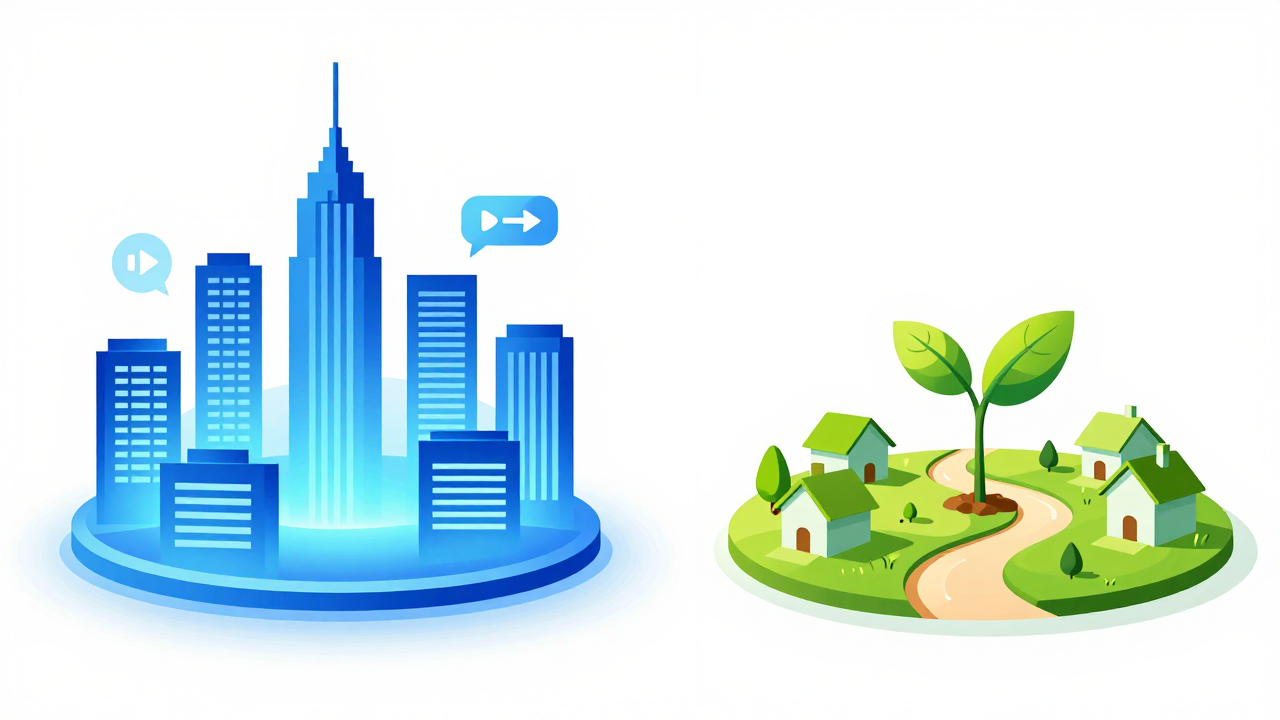
Today, numerous platforms offer account trading services, with varying levels of quality. From my observation, leading services like Getfollow are increasingly emphasizing the "long-term usability" of accounts, not just transactional completion. They prioritize compliance checks on account sources and transparency of historical data, which aligns with the market's need for sustainable growth. For buyers, seeking providers that focus on long-term value and offer post-sale guarantees can effectively mitigate many risks.
Final Verdict: Buy vs. Grow?
Ultimately, the choice between buying and starting from scratch depends on your team's core resources and stage goals. If you have capital but are short on time and need a stable platform to validate a business model, buying a verified social media account is a path seriously worth considering. However, if your team excels at content creation and wants full control over an account's brand voice and growth DNA, starting from scratch is undoubtedly the safer choice. Understanding this underlying logic allows you to make the best decision for your specific business.
Common Questions (FAQ)
What is the main advantage of buying a social media account instead of growing one?
The primary advantage is eliminating the months-long "cold start" period. You bypass the algorithmic probation phase and gain immediate access to established traffic pools and platform features, allowing for faster testing of ads and commercial models.
How can I reduce the risks associated with buying an account?
Focus on transparency and compliance. Choose reputable providers that offer clear account histories and origin verification. Avoid accounts with suspicious engagement patterns, and always implement a gradual content transition strategy post-purchase to avoid alerting the platform.
Are there specific platforms where buying an account is more common?
It is particularly common on platforms with high entry barriers or valuable features tied to account maturity, such as TikTok (for live streaming and e-commerce privileges) and YouTube (for higher monetization thresholds).