How to Spot Fake TikTok Accounts Before Buying New Ones: A Buyer's Guide
How to Spot Fake TikTok Accounts Before Buying New Ones: A Buyer's Guide
Many cross-border teams and solo creators, eager to jumpstart their overseas content or e-commerce ventures, look to buy TikTok accounts for a head start. However, this seemingly quick path is riddled with pitfalls, and you might end up with a worthless "digital shell." Today, we're breaking down how to identify and avoid those fake social media accounts when purchasing a new TikTok profile.
What Defines a "Fake" Account? It's More Than Just "Bot Followers"
When people hear "fake account," they often think only of inflated follower counts. In reality, deceptive tactics have evolved. Here are the most common types you'll encounter:
- Bot Accounts: The most basic type. These are bulk-registered via software, with sparse profiles, blurry or anime-style avatars, and gibberish usernames. They typically have zero posts, zero engagement, and exist only to look good on paper.
- Failed "Farmed" Accounts: These underwent some basic account incubation but have erratic behavior patterns. TikTok's algorithm flags them as low-weight or potentially spam. Once you take over, you'll find that no matter what you post, view counts stagnate below 200, locked out of the larger traffic pool.
- Risk of Violation Accounts: The most dangerous kind. These accounts may have a history of posting ripped content, borderline material, or scam-related activity. The problem hasn't surfaced yet, but once you start using it, the platform could追溯 the history and ban it, wiping out all your initial investment.
- Hacked or Stolen Accounts: Unscrupulous sellers may offer stolen or illicitly obtained accounts. As a buyer, you risk the original owner reclaiming it or the platform permanently banning it for suspicious activity.
Common Traps in the Market: The Cheapest Option Often Costs the Most
In the mixed-bag market for accounts, traps are often disguised as "deals." From my experience, these are the most frequent pitfalls:
The first is "bait-and-switch." Sellers showcase a high-weight, established account but deliver a newly registered or low-quality one. The second is the "after-sales black hole." Once the money is sent, the seller disappears. If the account has issues—like sudden follower drops or login problems—there's zero support. The third is the "bulk order trap," especially for teams needing multiple social media accounts for matrix operations. Chasing cheap prices can lead to buying a batch where over half are dysfunctional, ultimately delaying the entire project.
A Practical Verification Process: What to Check Before You Pay
To avoid these scams, buyers must proactively establish their own verification process. Don't skip the hassle; it's directly tied to whether your money is well spent.
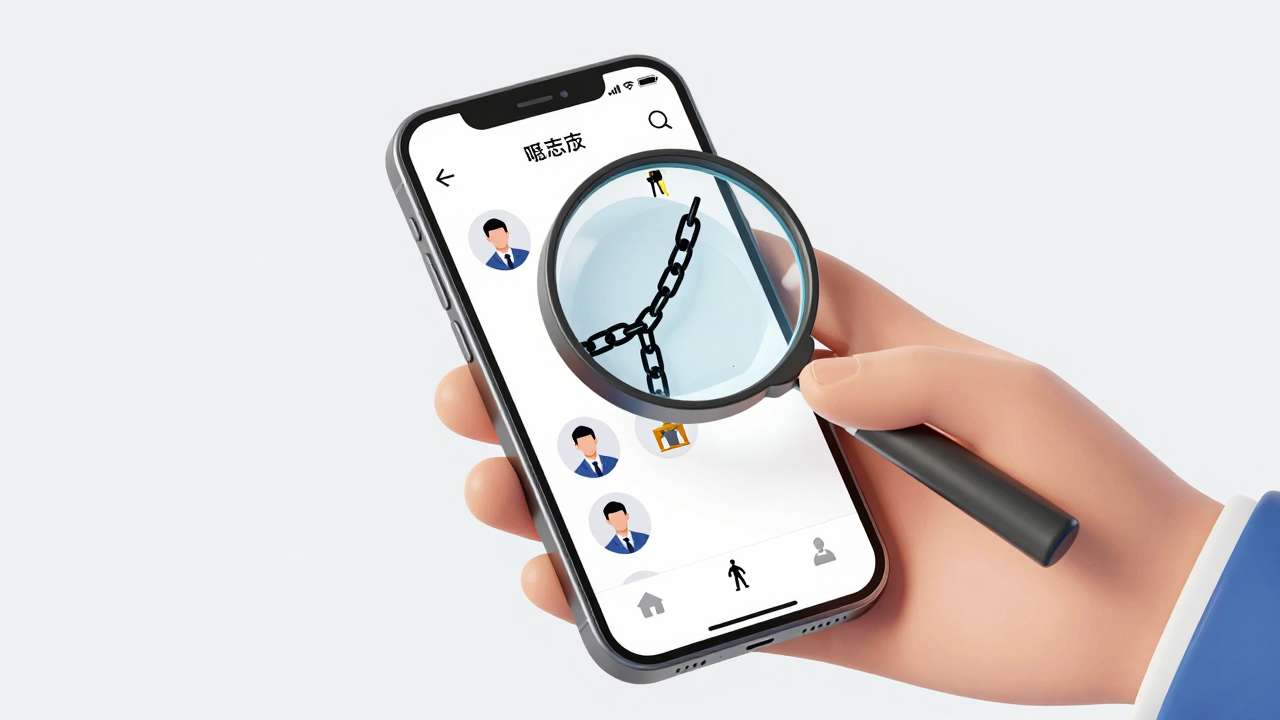
First, request screenshots of the account's backend analytics. Focus on two key metrics: profile completeness and authenticity (Does the avatar, bio, and background image look like they belong to a real person?) and engagement history. Even a new account should show normal activity logs like logins, browsing, and perhaps a few likes or comments, not a completely blank slate.
Second, use third-party tools for analysis. Platforms like HypeAuditor, designed for influencer vetting, use logic (like follower authenticity and engagement rates) that can also assess an account's basic health. If a seller refuses to grant permissions for such checks, that is a major red flag.
Finally, conduct a small-scale or short-term test transaction whenever possible. For instance, purchase one account first and monitor it for 3-5 days to see if its organic traffic and status remain stable. Reputable platforms with a stable industry reputation, like Getfollow, typically offer a trial period or clear after-sales terms. Their compliant operational approach is designed to safeguard the buyer's initial experience and asset security.
| Purchase Channel | Risk Level | Core Risk | Advantage |
|---|---|---|---|
| Individual Sellers / Community Groups | High | No guarantees, pure trust-based, zero after-sales | Price may be lower |
| General Marketplaces / Websites | Medium-Low | Platform commission, inconsistent account quality | Some procedural safeguards and after-sales |
| Professional Service Providers (e.g., Getfollow) | Low | Price may be slightly higher | Clear account sourcing, compliance guarantees, and after-sales support |
In summary, the core of avoiding pitfalls when buying a new TikTok account lies in using every method available to verify the account's "human authenticity" and "compliance" before the transaction. Don't be misled by low prices or inflated metrics. Taking the extra time to do your due diligence and choosing a channel with a transparent process, verifiable data, and basic after-sales commitment is the critical first step to ensuring your overseas venture starts smoothly. Remember, in the global market, the account itself is a digital asset that demands serious attention.
Frequently Asked Questions
Can I tell if a TikTok account is fake just by looking at its follower count?
No, not reliably. Modern fakes often have a plausible follower base. You must dig deeper into backend analytics, engagement patterns, and profile history. A low follower count doesn't automatically mean it's good, and a high count doesn't guarantee it's real.
What is the biggest risk of buying a fake or "risky" TikTok account?
The most significant risk is sudden and permanent account suspension by TikTok. The platform's AI is adept at identifying abnormal history or behavior. You could invest time and money into growing the account, only for it to be banned overnight, resulting in a total loss.
How long should I test a newly purchased account before fully trusting it?
A minimum test period of 3-7 days is advisable. During this time, monitor its analytics for stability, check for any mysterious follower drops, and ensure you can log in consistently without triggering security alerts. This helps flush out accounts with hidden restrictions or impending violations.
Is it ever safe to buy TikTok accounts from individual sellers on social media?
It carries the highest risk. These transactions offer no platform-mediated guarantees, recourse for fraud, or after-sales support. Your only protection is the seller's personal reputation, which is fragile and hard to verify. Proceed with extreme caution and consider it only for very small, testable purchases.