Buying TikTok Accounts: Price vs. Quality – Where’s the Balance?
Buying TikTok Accounts: Price vs. Quality – Where’s the Balance?
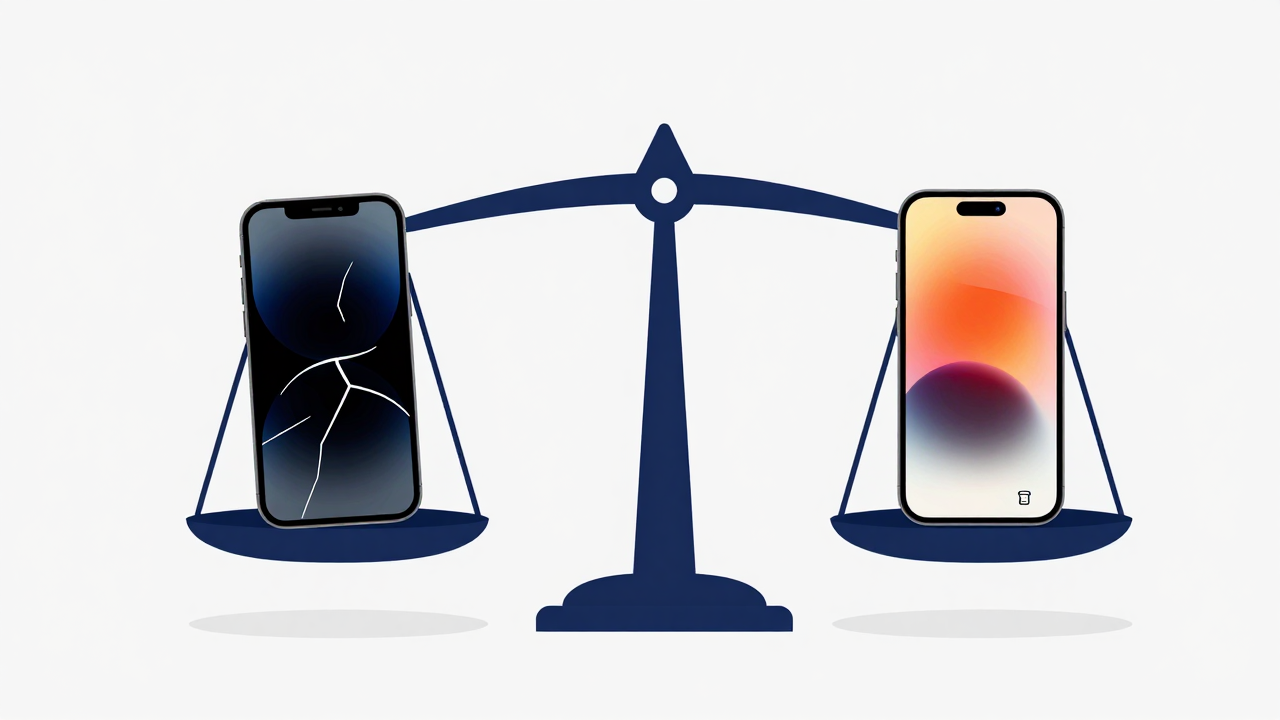
If you’re into TikTok short videos or live streaming, you’ve probably considered buying ready-made TikTok accounts. The prices vary wildly, from a few dollars to hundreds, making the choice confusing. Today, we’ll break it down: how do you calculate the real cost?
The Price Trap: The "Shelf Life" of a Cheap Account May Be Three Days
The market is flooded with "bargain-bin" accounts promising "instant delivery." Many newcomers are tempted by this low-cost entry. However, from an industry observer's perspective, these ultra-cheap accounts (typically in the $1 to $30 range) often come with critical, high-frequency flaws.
First is an alarmingly high ban rate. These accounts are likely mass-registered through illicit means or used on shared devices and IPs already flagged by TikTok’s风控. You might bind your new email and phone number, only for the account to vanish within a day or two. Your small investment disappears without a trace.
Second is missing core functionality. A healthy TikTok account’s value lies in its ability to post, engage, and gain traffic. Many cheap accounts use "disposable" registration emails and initial phone numbers to cut costs, meaning you can’t receive verification codes. This blocks essential actions like password changes and security bindings. Worse, features like DMs (direct messages), live streaming access, or the showcase function might be locked from purchase. You’d need an excessively long time (or extra payment) to "farm" them open, making the true cost far exceed the account’s price tag.
I once saw a personal studio case: they bought about 50 accounts at rock-bottom prices for matrix distribution. Within three days, over 40% were banned, and most of the rest couldn’t use DMs. The "savings" were wasted, and the project was delayed.
Quality Dimensions: It’s More Than Just "Being Able to Log In"
So, what makes an account "quality"? It’s not just about logging in and posting a video. For cross-border businesses or studios, you need to assess these dimensions:
- Basic Health: This is the baseline. Consider account age (is it an aged overseas account or a "newborn"?), violation history, and clean device/IP records (no traces of cloud-control batching). An account with months or even a year of history and normal browsing patterns has vastly better stability and weight than a brand-new one.
- Profile Completeness: Can you modify the profile picture, bio, and location (if needed) to fit your brand? Many cheap accounts have locked profiles, or changes trigger flags.
- Permissions & Status: This is the most commercially valuable part. Before buying, confirm: Are DMs functional? Can you apply for live streaming access? If your goal is e-commerce, is the TikTok Shop or showcase feature properly linked and active? These statuses directly determine your launch speed and monetization path.
- Ease of Security Transfer: Most critically—can you securely and easily bind your own email and phone to fully take ownership? A channel that provides a safe transfer process and ongoing technical support is worth far more than the account itself.
Finding the Balance: Shifting from "Buying an Account" to "Buying a Service"
The key to balancing price and quality is a mindset shift: you’re not buying a static item, but paying for a set of predictable services and guarantees. Here are key pitfalls to avoid:
First, clarify your core need. Do you need bulk accounts for content distribution, or one high-weight account for brand operations? The former might prioritize stability and cost control; the latter demands historical weight and functional completeness.
Second, evaluate the service provider’s model. A reliable provider will clearly state the account source (e.g., personal transfer vs. compliant registration), offer clear after-sales warranties (like replacement guarantees, usage support), and be willing to share case studies of their overseas social media account management. Those shouting "lowest price" while dodging questions about sources and after-sales are high-risk.
Currently, some platforms are becoming more standardized. For instance, providers like Getfollow attempt to explain compliance logic and after-sales processes when introducing overseas accounts. This is a step forward from opaque, private deals. However, it doesn’t mean you can skip your own verification steps before any transaction.
Third, stick to the "small test batch" principle. No matter how great the promises, always start with a small batch for testing. Have yourself or your team perform deep operations: log in, modify the profile, post content, use DMs, and try applying for features. Observe the account’s stability over the next week or two. This is the most reliable way to test true quality.
Actionable Advice: Building Your Account Procurement SOP
A relatively safe process should be: Requirement Clarification → Screen 2-3 potential providers → Submit specific requests and get samples for testing → Purchase a small batch and execute a test checklist → Decide on long-term cooperation based on test results.
Your test checklist could include: Does changing the profile picture/bio take effect instantly or trigger a review? Do different content formats (image, video) post normally? Check login device history and IP logs (some advanced providers offer this). Simulate normal user behavior (browsing, liking) to ensure smoothness.
Remember, a healthy TikTok account grows in value with your operation. Buying is just the start; compliant operation afterward (avoiding violating content, not using fake engagement) is what determines its long-term value. Starting with a reasonably priced, transparent service to test the process is far wiser than chasing the "cheapest" deal. In cross-border business, stability and predictability are the real "cost-effectiveness."
FAQ
1. If I buy a TikTok account, is it likely to be reclaimed by the original owner?
This is a major risk, primarily depending on the account source and whether the transfer is complete. If it’s a legitimate account with a full profile change (your email and phone number are bound), the chance of reclaiming is low. However, if obtained through unofficial channels where only the login password is given without changing security information, the risk is very high. Always choose a channel that provides a complete ownership transfer service.
2. How do I judge if an account-selling provider is reliable?
The key is to assess their transparency and after-sales support. A reliable provider will proactively inform you of the account’s approximate source, registration date, available features, and known limitations. More importantly, they will offer clear after-sales support, such as a warranty period for bans or help with usage issues. Before transacting, ask specific questions like "Can I change the password myself?" or "How do I resolve feature anomalies?" and observe if their answers are concrete and professional. As seen in industry examples, making the service process transparent is the first step to building trust.
3. With a limited budget, should I buy multiple cheap accounts or one better, more expensive account?
It depends on your goal. For volume testing and content exploration, where you can accept some loss, you can buy a few (e.g., 3-5) moderately priced accounts for testing. However, if your aim is to build a long-term brand main account or a primary live-streaming account, it’s strongly recommended to invest in one with solid fundamentals (e.g., account history, complete functionality, safe ownership transfer). The stable traffic and conversion potential from one good account far outweigh the sum of several flawed accounts.
4. What should I do immediately after purchasing an account?
First and most importantly: immediately change the account’s login password and all security information (bound email, phone number) to ensure you have full control. Second, don’t perform large-scale operations right away. Interact like a normal user for a few days to let the account acclimate. Third, gradually complete your profile and begin publishing content according to your plan.