How to Buy TikTok Accounts Safely: Spot These 5 Scams
How to Buy TikTok Accounts Safely: Spot These 5 Scams
Many cross-border sellers and content studios, especially those targeting international markets, have considered buying an established TikTok account as a shortcut to growth. Growing an account from scratch is slow, and an aged, follower-packed account seems like a smart shortcut. However, the market is riddled with pitfalls. Scams and deceptive practices are more common than you can imagine. Countless people have spent money only to lose the account or have their linked stores compromised.
From my experience in the cross-border e-commerce space, I've seen too many eager peers fall into these traps. Today, let's cut through the noise and discuss the common scams in account trading and how you can conduct this process more securely.
Scam 1: The "Fake Growth" Account
This is the most common scenario. The seller claims the TikTok account has followers and content, with decent-looking stats. But after you buy it and post a video, views remain negligible. The reason is simple: the followers are bought "bots," and the early content was stitched together from purchased, reposted videos. This account has extremely low weight, and platform algorithms have likely flagged it. What you've bought isn't an asset, but a hollow shell needing a "complete reboot," a task as difficult as starting from zero.
Scam 2: The "High-Weight" Account That's Just Delaying the Inevitable
Another sales pitch is the "high-weight, aged account." The seller may demonstrate that it can post videos and occasionally gets some organic reach. This is often an account rapidly farmed using automation tools or bulk registration software. These accounts are already on the platform's risk control radar as "suspect entities," they just haven't been acted upon yet. Once you take over and increase activity—especially involving transactions—the probability of the system flagging, restricting, or banning the account skyrockets.
Scam 3: Hidden "Bot Accounts" & Recovery Risk
The bot account risk was mentioned above. Here, let's focus on "recovery." Some individual sellers or unreliable brokers sell you an account, then use the original registration details (phone number, email) to perform an account recovery, effectively scamming you twice. The bigger issue is if the original registration was linked to the owner's ID. During withdrawals or when requesting higher permissions, you might be asked for verification, ultimately proving the account still belongs to someone else.
Scam 4: Transaction Complete, Support Vanishes
There are cases where the transaction itself seems fine, but the seller disappears afterward. If problems arise during the handover (e.g., a risk control flag), or you need basic support like changing the bound email or phone number, the seller is unresponsive. This lack of any after-sale support puts the buyer at significant risk.
Core Defense: Look Beyond the Numbers to the Account's Core
Given these pitfalls, how do you protect yourself? Keep these core principles in mind:
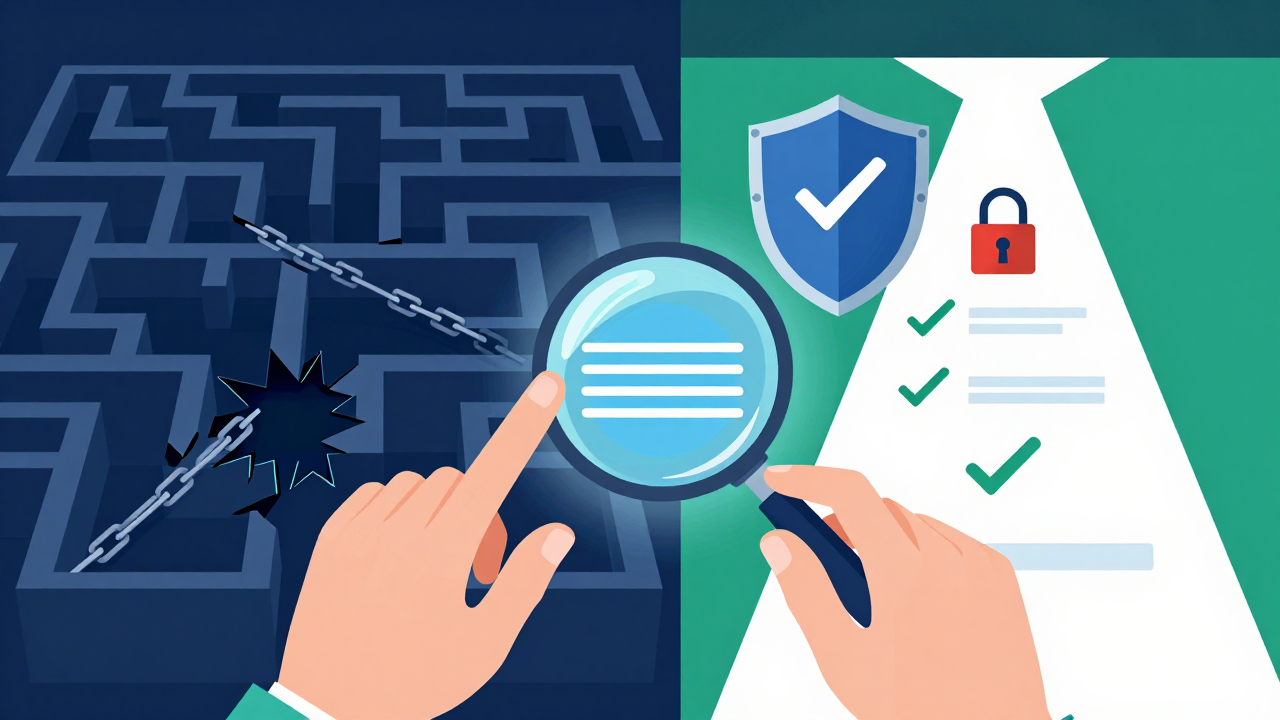
- Verify Live, Don't Trust Screenshots: You must log in to the account for real-time verification. Ask the seller to operate on camera, showing the account's backend dashboard, real-time analytics, follower demographics, and any history of violations. Screenshots and screen recordings can be easily forged.
- Deep-Dive into Content History: A healthy account should have consistent, niche-specific historical content. Meticulously scroll through the posted videos and engagement on the profile. Be highly suspicious if the content is chaotic, the style abruptly changes, or the comment section appears unnatural.
- Clarify Handover and After-Sale Terms: The transaction must demand a "full transfer," including changing all registration details (phone, email, third-party logins). Always use a platform with escrow services. Before the deal, clearly stipulate that "any issues arising from recovery using original information post-handover are the seller's responsibility."
- Consider the Legitimacy of the Service Provider: Individual transactions often carry uncontrollable risks. Many cross-border practitioners have reported that using a more structured platform or service provider offers greater procedural security. For instance, platforms with a stable industry reputation, like Getfollow, often employ more systematic account trading and transition protocols, which can reduce the uncertainties you face when dealing directly with a seller. This isn't a guarantee of zero risk, but a compliant process adds an extra layer of filtering.
Industry Realities & A Rational Perspective
The demand for buying social media accounts has spawned a vast market, inevitably attracting a mix of legitimate and shady service providers. A key fact is that regardless of a seller's promises of "guaranteed approval" or "permanence," the platform's ability to detect abnormal accounts and trading behaviors is constantly improving. Expecting a single purchased account to be a one-time solution may itself be a misconception.
For cross-border businesses or studios, a more stable approach might be to view account purchasing as just one of many avenues for acquiring initial seed users—never the sole dependency. After acquiring the account, you must immediately overhaul its profile and nurture content according to normal, compliant operational logic. If the focus is solely on flipping accounts and ignoring the essence of content operation, even a safe transaction will lead to an account whose value drops to zero due to a lack of vitality.
Ultimately, a TikTok account transaction is essentially purchasing temporary usage rights and growth potential for a "digital asset," not a foolproof growth hack. Sharpen your judgment, conduct thorough due diligence, and place your focus on compliant operations afterward. This is the right path through this complex market. I hope every practitioner can start safely and channel their energy into creating quality content.
Frequently Asked Questions (FAQ)
Is it safe to buy a TikTok account?
Buying a TikTok account always carries inherent risks, including potential scams, account recovery by the original owner, or platform violations. While it can be done with caution, it is never completely "safe." The key is rigorous due diligence, using secure transaction methods like escrow, and understanding that the account's long-term value depends on your compliant operation after purchase.
What should I look for when buying a TikTok account?
Prioritize live verification over screenshots. Examine the content history for consistency and organic engagement. Verify that the seller offers a full transfer of all credentials (email, phone). Use a platform with escrow or buyer protection. Finally, assess if the account's niche and audience align with your business goals.
Can the original owner recover the TikTok account after selling it?
Yes, this is a significant risk. If the seller retains the original registration details (email, phone number) or the account is linked to their personal ID, they can potentially use these to recover the account after the sale. This is why a complete change of all login and recovery information immediately after purchase is absolutely critical.
How can I verify if a TikTok account is legitimate before buying?
Demand a live, screen-recorded session where the seller logs into the account. Have them navigate the backend, show follower analytics, and scroll through the content history. Look for consistent posting patterns, genuine comment sections, and a follower base that appears organic rather than inflated by bots. Be wary of any seller unwilling to do this.