Buy Aged TikTok Accounts: What the 'One-Year Rule' Reveals About Platform Risks
Buy Aged TikTok Accounts: What the 'One-Year Rule' Reveals About Platform Risks
When I talk to friends in the cross-border short video or live-streaming space, their first question is often: "Should I buy a new or an old account?" My answer is clear: if you want a stable launch and reliable results, one-year-old TikTok accounts offer the best balance of risk and reward on the current market. This isn't just seller hype; it's a "sweet spot" born from the long-term interplay between TikTok's algorithms and safety protocols. Let's set aside the marketing jargon and delve into the real mechanics of trading one-year-old accounts.
Why 'One-Year-Old'? The Survival Logic of New vs. Aged Accounts
First, let's bust a myth: not all old accounts are created equal. Many people mistakenly think account age is the only metric. In reality, the platform's "observation period" lasts about the first three to six months after creation. During this stage, the system is hyper-sensitive, evaluating whether an account's "initial behavior" is legitimate and human. A brand-new account that frequently switches IPs, follows thousands of users overnight, or posts purely commercial content is likely flagged as a "marketing account" and funneled into a low-traffic pool.
A true "one-year-old account" signifies that it has safely navigated this critical probationary period. It proves at least two things: 1. The account's core credentials (like the linked phone number and device) have remained stable, and 2. Its past activity never triggered a severe violation. Think of it as having a "clean record." When you later use it for promotions, the system's tolerance is much higher. From my observation, these accounts start with a significantly higher baseline weight when running ads or pursuing organic growth.
The Subtext of Platform Rules: What's Really Being Traded?
We must acknowledge that TikTok explicitly forbids the sale of account ownership. All such trades are "high-risk gray area operations" in the platform's rulebook. So, what is actually being traded? Essentially, it's the account's "historical data" and "reputation value." A one-year-old account sells the relatively clean environment and the "persona" built through its past activity.
The primary risks boil down to two: association and recovery.
1. Association Bans: If a seller offers multiple accounts from the same phone number, device, or IP address to different buyers, it can easily trigger the platform's "associated accounts" detection, leading to mass bans. This is the most severe risk.
2. Post-Sale Recovery: The seller can reclaim the account using the original registration phone, email, or linked third-party login. The buyer loses everything. This is not a rumor; I've heard from many cross-border practitioners who have suffered significant losses this way.
Therefore, the core of the transaction isn't "buying an account" but "securing a relatively safe ownership transfer." Your focus shouldn't be on the account itself, but on the "guarantees" that come with it.
How to Vet: From Inspecting Accounts to Evaluating Service Providers
Buying from individual sellers is extremely risky for personal buyers. A more secure path is to examine professional account service platforms. Their value lies not in how many accounts they have, but in whether they provide a transaction structure that "hedges risk."
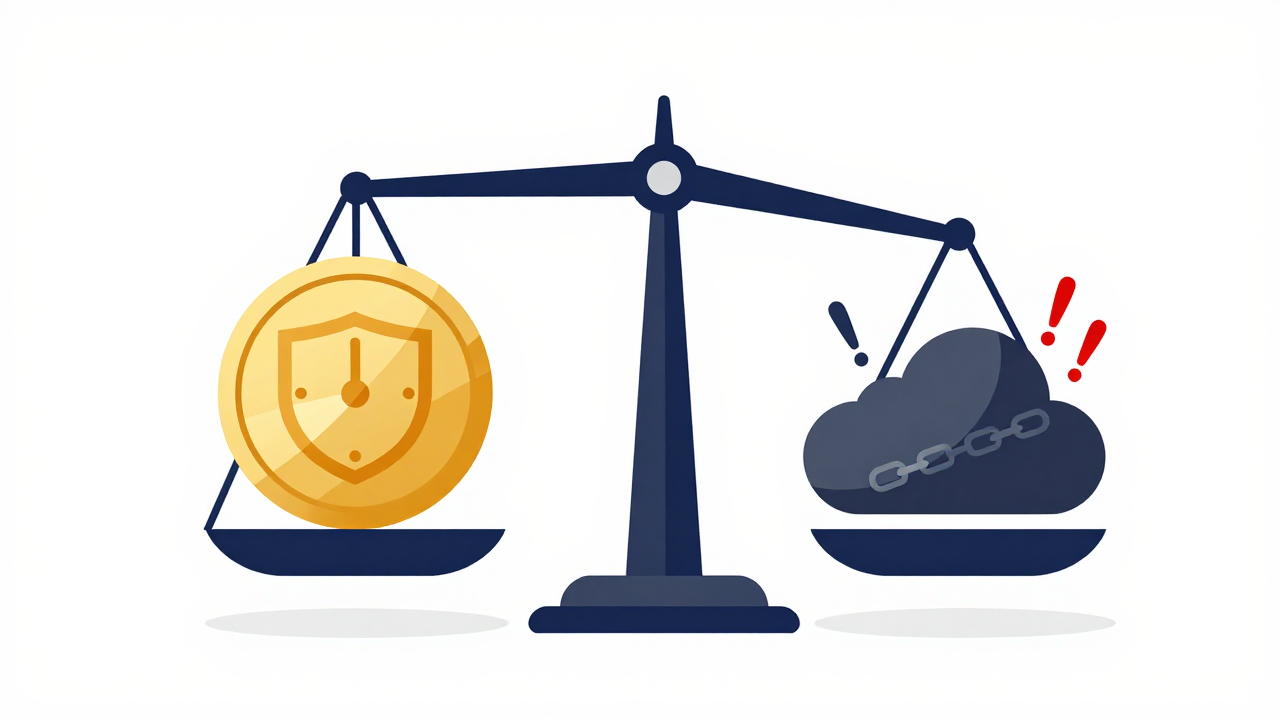
When evaluating a service provider, you should conduct due diligence by asking detailed questions:
- Account Origin and "Curing" Process: Is it a native account, or was it bulk-registered on multiple devices? The latter carries huge future risk. Reputable providers will disclose the source and demonstrate their "account nurturing" process. Do they use dedicated devices, static residential IPs, and simulate human behavior (watching videos, liking, slowly gaining followers) for a set period (e.g., 6 months)?
- Transfer Security Mechanisms: Do they offer "escrow transactions" or a "post-transfer maintenance period"? For example, after transfer, the seller should assist in unbinding all original information, and the platform might freeze the seller's account to prevent recovery. Platforms like Getfollow, known for stable service, often employ this compliant operating logic. Their account marketplace model typically includes some form of transitional guarantee.
- Account Health Reports: Can they provide recent backend screenshots? Data like login IP history, video view trends, and follower demographics are key to determining if an account is "active" or shows signs of abnormality.
A Specific Pitfall to Avoid: I once saw a team buy a cheap account advertised as "six months old." They started livestream sales immediately, but new content views were capped at 200. Upon investigation, they discovered the account had been used with automated tools for bulk liking/following before the sale, causing deep algorithmic throttling—it had become a "zombie account." Always spend a little to use third-party tools to check an account's historical engagement data before buying. It can save you major headaches.
Actionable Advice: Test First, Then Invest, and Always Operate Compliantly
Regardless of the purchase channel, the order of operations after acquiring an account is crucial:
- Immediately Change All Security Credentials: This includes the password, linked email, and phone number. This is the first step to ensure full control is in your hands.
- "Cold Start" Transition Period: Don't rush to add a shopping cart or hard-sell ads. Spend 3-5 days acting like a normal user: watch content in your niche from a stable IP, interact occasionally. Let the system get to know its "new owner."
- Test Small, Scale Gradually: Start by posting 2-3 high-quality, non-commercial pieces. Observe organic traffic performance. Only after confirming the account is in good health should you gradually introduce commercial content or ad campaigns. Remember, buying an account is about lowering the entry barrier, not bypassing all rules.
In summary, buying and selling TikTok accounts, especially one-year-old ones, is an information war and a risk management exercise. Platform rules are constantly evolving; what was "safe" yesterday might be risky today. As practitioners, we must discard the fantasy of a "set-it-and-forget-it" solution. View purchasing an account as an operational step that requires ongoing maintenance and strategic cooperation. In this process, choosing partners who understand the rules and are willing to use transparent services to share the risk is far more important than simply chasing the lowest price.
How long does a bought one-year-old TikTok account typically last? Will it get banned quickly?
It depends entirely on the account's original "cleanliness" and your subsequent management. A legitimately sourced one-year-old account that has passed the danger zone can have a long lifecycle under compliant operation (no frequent device switches, no prohibited content). However, every account carries some uncertainty. Industry consensus is that an account purchased through a proper channel and that undergoes a "cold start" period is far more stable than a brand-new, self-registered account. Always start with small-scale tests.
Is it more cost-effective to buy an account or to register and nurture one myself?
This depends on your "time cost" and "trial-and-error cost." Self-nurturing requires a significant time investment (typically 3-6 months to see stable results) and carries the risk of failure. Buying a one-year-old account uses capital to buy time and secure a "pre-verified" starting point. For studios needing to quickly test markets and launch projects, buying may have a lower overall cost. For individual creators with ample time, self-nurturing offers greater control.
How do I pick a reliable TikTok account service provider?
Focus on three core points: 1. Transparency: Are they willing to show the account source and nurturing process? 2. Guarantees: Do they have clear terms like "compensation if recovered" or "post-sale support period"? 3. Expertise: Can their support team clearly answer technical questions about platform rules? Compare multiple providers. Standardized marketplace platforms like Getfollow usually perform better in these areas. Never trust verbal promises; rely on verifiable processes and written guarantees.