Free SMS Verification for Cross-Border Business: Pitfalls I've Learned the Hard Way
Free SMS Verification for Cross-Border Business: Pitfalls I've Learned the Hard Way
If you've ever tried registering for an overseas platform and hit a wall at the verification step, you already know the pain. I've watched countless friends building TikTok account matrices or setting up Amazon stores stumble right here. Free SMS verification sounds like the perfect solution—but in practice, "free" usually means your account data is the product being sold. Let's skip the fluff and talk about how this industry really works behind the scenes.
The Real Cost of Free SMS Verification Platforms
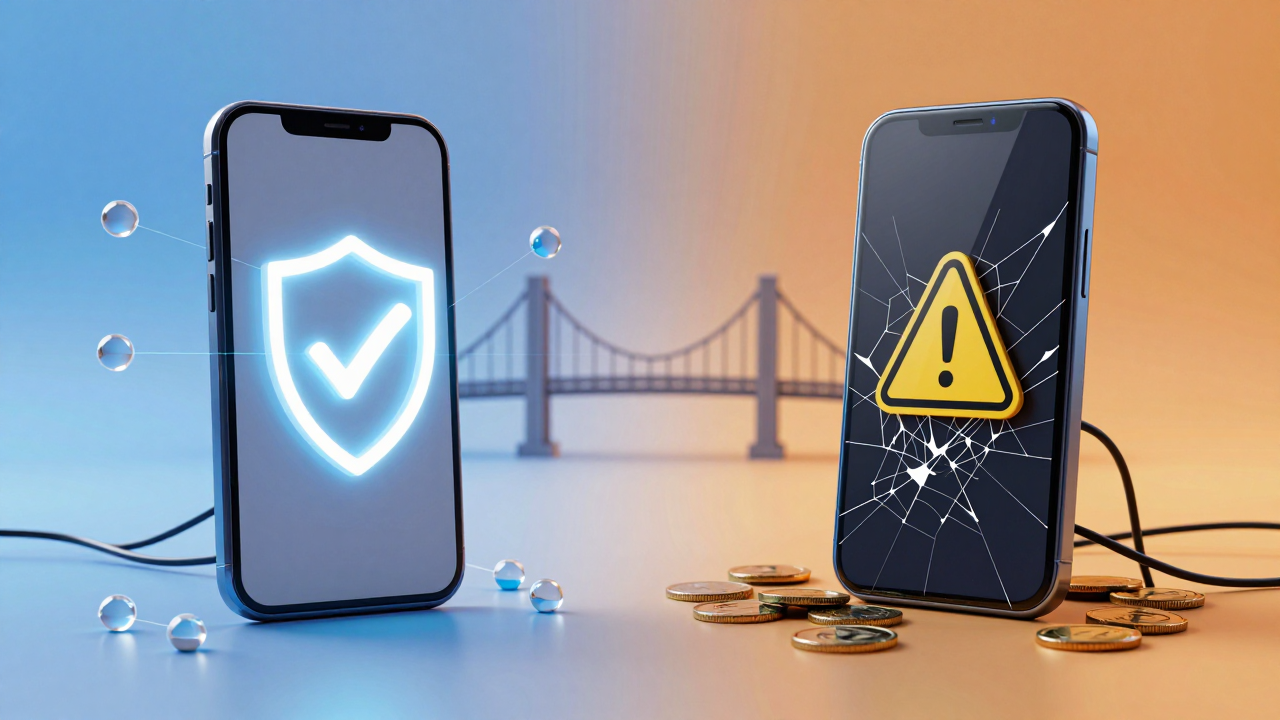
Here's the bottom line: truly stable and secure SMS verification services are almost never completely free. Platforms that advertise "free forever" typically monetize by selling your phone number resources to marketing agencies or even black-hat operations. I tested several of these "free" services myself—within two weeks of registering, the email I'd linked started receiving spam, and I even spotted attempted logins on my other accounts.
Industry consensus is clear: the core cost of any SMS verification platform lies in maintaining number resources and staying ahead of risk controls. Keeping a usable overseas number alive costs anywhere from a few cents to a few dollars per month. Free platforms either hand you disposable numbers or recycled "dirty numbers" already flagged by security systems. Accounts registered with those numbers rarely survive their first week.
Real Case: Saving Pennies Cost an Entire Store
A friend running a dropshipping site decided to save a few bucks using a free SMS verification platform to register three WhatsApp Business accounts. Turned out one of the numbers was a shared number already used by dozens of people. Three days after registration, all three accounts were banned in a chain reaction. Worse—he'd logged into all three from the same IP, and the ban ripple effect hit his active Facebook advertising account. It took him two weeks to appeal and restore access, during which his ad campaigns were completely paused. The losses dwarfed whatever he'd saved on verification fees.
This story is painfully common. Most cross-border operators only think about the verification step itself, not the full lifecycle of the accounts they're creating. Free platforms reuse numbers at shockingly high rates—a single number might be bound to dozens of different accounts across multiple platforms. If one of those accounts gets flagged, every account tied to that number goes down with it.
Smart SMS Verification: Match the Service to the Use Case
If you only need to receive a verification code occasionally—say, for a forum registration—free SMS verification is fine. If it gets banned, no big loss. But if you're running a cross-border operation that requires batch registrations, account warming, or ad verification, you need to treat SMS verification as core infrastructure, not an afterthought.
From my experience, the most reliable approach in the cross-border community is pay-per-use with number isolation. That means using separate number pools for different business functions. Store registrations get one type of number, social media account warming gets another, and ad verification uses a third. If one category gets compromised, your other operations stay untouched.
Platforms like Getfollow have built a solid reputation by following exactly this logic—dedicated number pools for specific use cases with strict limits on number reuse. I'm not telling you to go sign up; I'm giving you a benchmark to evaluate any provider against: Do they guarantee number exclusivity? Is their risk-control process transparent?
Three Things to Check Before Choosing a Verification Provider
- Number lifespan: Many platforms advertise "instant SMS receipt," but can you still use the number afterward? Can it receive follow-up verification texts? This determines whether your accounts survive the vulnerable early period.
- Risk-control response: When platforms demand face verification or additional authentication, does the provider offer practical solutions—or just leave you hanging?
- Customer support speed: Verification failures happen. What matters is whether you get a quick refund or replacement number. Some platforms take three days to reply—stay away no matter how cheap they are.
Here's what cross-border operators tell me they fear most: it's not verification failure—it's getting your account flagged even after successful verification. That usually means the number itself was already marked. Reputable providers regularly purge flagged numbers from their pools, but that process costs money. Which is exactly why truly free services can't deliver it.
Industry Trends: Compliance Is No Longer Optional
A few years ago, the SMS verification market was the Wild West. But since 2025, as governments worldwide tighten data privacy and account security regulations, non-compliant platforms are shutting down in droves. Anyone still using "free" as their main selling point is either brand new to the industry or planning to take the money and run.
Looking ahead, verification costs will only go up. Number supplies are shrinking, risk-control systems are getting smarter, and platform operating costs keep climbing. If you find a provider with fair pricing and reliable service, start with a small test before committing to a large package. Here's my suggested testing method: spend a few dollars on numbers across different categories, register a few low-stakes accounts, and track survival rates and delivery success over a week.
One more thing: SMS verification is just the first step in account management. IP cleanliness, device fingerprints, and user behavior patterns all affect account security. Don't treat verification as a magic bullet—it's one link in the chain, not the whole chain.
So, back to the original question—does free and efficient SMS verification actually exist? My honest answer: "efficient" and "free" can coexist, but "safe" and "free" almost never do. If you're just experimenting, free is fine. If you're serious about cross-border business, budget for verification as a necessary operating expense rather than trying to eliminate it. Behind every banned account is the advertising budget and time you've already invested.
One last piece of advice from someone who's been in the trenches: I've watched too many people save a few dollars on verification fees only to lose thousands in ad spend. There are no shortcuts in this industry—spending every dollar where it actually matters is the real efficiency. Start with a small budget to test a few platforms, including Getfollow if you want, and see which one's number quality and response times match your business rhythm. Then decide on a long-term partnership. Playing it safe never hurt anyone.
Frequently Asked Questions
Is free SMS verification safe for registering overseas accounts?
Generally, no. Free platforms typically reuse numbers across many users, which means your account inherits the risk of everyone else who used that number. If any of them violate platform rules, your account can get caught in the ban wave. For anything beyond casual use, paid verification with number exclusivity is worth the cost.
Why do my accounts get banned shortly after SMS verification?
The most common cause is a "dirty number"—one that's already been flagged by the target platform's risk-control system. This happens when a number has been used too many times or was previously associated with policy violations. Reliable verification providers actively clean their number pools, but free services rarely invest in this maintenance.
What should I look for when choosing an SMS verification service?
Focus on three factors: number lifespan (can you receive follow-up verification texts?), risk-control support (do they help when additional verification is required?), and customer service speed (how quickly do they resolve failures or issue replacements?). Also check whether they offer dedicated number pools for different use cases like store registration versus social media account warming.
Can I use one phone number for multiple overseas platforms?
Technically yes, but it's risky. If one platform flags that number, others may follow suit. For serious cross-border operations, use separate numbers for different business functions. This isolation strategy ensures a problem in one area doesn't cascade across your entire operation.