TikTok Shop Individual Store Setup: Why Half Fail in the First 3 Days
TikTok Shop Individual Store Setup: Why Half Fail in the First 3 Days
When it comes to TikTok Shop individual store registration, plenty of sellers still think it’s simply about grabbing a template, uploading an ID, and dropping a link. But by 2026, that mindset has already burned countless people—shops frozen right after approval, payouts stuck in third-party wallets, or worse, a risk-control flag that takes down your entire primary account. Over the past year, I’ve followed more than a dozen individual store cases personally. The biggest takeaway isn’t that the process got harder, but that the rules got deeper and sharper. If you don’t understand the underlying logic, you can kill your account before you even start. This isn’t a step-by-step checklist. It’s a look at the invisible barriers in 2026, backed by hard-earned observations.
TikTok Shop Individual Store Registration in 2026: More Than Just Uploading a License
Let’s clear up a massive misunderstanding right away. Many newcomers assume an “individual store” just needs a personal ID. In reality, within TikTok’s 2026 cross-border ecosystem, individual stores default to requiring a sole proprietorship business license. Direct registration with only a personal national ID is nearly impossible. Even if a loophole pops up in a certain market, accounts caught later get retroactively shut down.
The real bottleneck usually hits during the business license verification step. TikTok’s system automatically pulls data from public business registries. If your license’s business scope doesn’t include keywords like “Internet sales” or “import/export,” the automated review will reject it instantly. Worse, that rejection sticks to your record and affects future submissions with the same documents.
Here’s a detail most guides skip: the license issuance date. Industry-wide feedback throughout 2026 shows that licenses registered less than three months ago are frequently flagged as potential “smash-and-grab” operations. The odds of getting pulled into manual review jump sharply. Savvy operators either age their licenses beforehand or submit clear storefront photos and warehouse snapshots alongside their documents to prove the business is physically real. These might sound like minor hurdles, but they directly determine your shop’s initial trust score and indirectly influence whether the algorithm ever lets you break into the Explore feed.
The Hidden Payment and Tax Hurdles in TikTok Shop Individual Store Setup
After a shop goes live, most sellers pour all their energy into product selection and content. It’s only when the first payout gets blocked that they realize the settlement path was broken from day one. In 2026, the payment chain for cross-border individual stores now points almost entirely to a corporate bank account that matches the business license. Some payment providers even require a test transfer verification to that exact corporate account.
This means you need to open a business bank account the moment you register the license. In some regions, hidden annual maintenance fees on that account can easily hit $200–$300. For sellers running low-ticket, high-volume items, that alone wipes out the profit from dozens of orders. Parallel to this, tax compliance has tightened dramatically. Multiple sellers have observed that settlement platforms in key markets—Southeast Asia and North American semi-closed-loop regions, for example—are now syncing transaction records directly with local tax authorities. Without proper tax registration up front, operators face back taxes plus late penalties that get very messy, very fast.
The more prudent approach now is to align the license, bank account, and tax setup all at once before even submitting the shop application. Industry players have noticed a shift toward “full-link compliance onboarding” services—platforms that bundle business registration, bank guidance, and shop launch support into one flow, like Getfollow. The logic is simple: too many sellers trip over these exact steps when trying to go it alone.
Real TikTok Shop Risk Control Case: A Tiny Mistake That Triggered a Store Group Ban
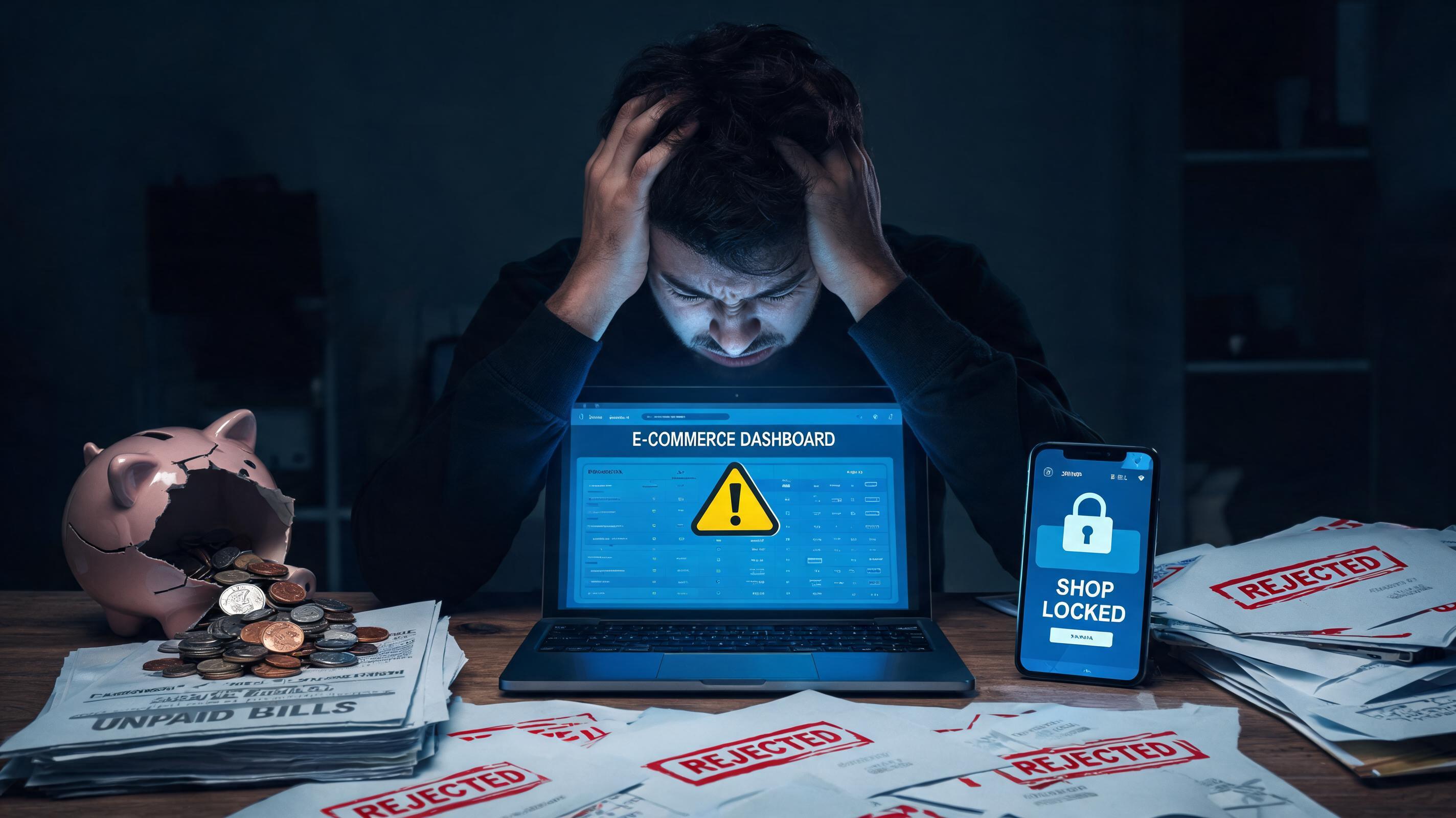
Here’s a case from Q1 2026 that sums up the current reality perfectly. A small home-goods studio set up three individual stores with three separate business licenses. They used one device for all three, changed the IP address but forgot to turn off GPS location services. Within days, all three shops were marked as a single-operator store group. Every listing got taken down, and all accounts were frozen for 30 days. The post-investigation flagged not the IP address, but the identical return address visible across the store profiles and the near-identical backend operation hours. These tiny overlaps hardly ever get mentioned in registration walkthroughs, but they directly decide whether a shop survives.
That’s why experienced operators now live by a simple rule: one device, one store, one account—especially in the early days. If you absolutely must run multiple stores from the same device, you need fingerprint isolation technology, and the shipping address and contact details must be noticeably different. This also explains why certain “shop isolation solution” providers have quietly retained customers so well this year. It’s not black magic; it’s just avoiding foolish linkage mistakes. Platforms that emphasize “clean documents and independent environments” align perfectly with how sensitive TikTok’s risk-label algorithms have become in 2026.
If you’re still on the fence about registering now, here’s a halfway strategy: open one secondary individual store with the lowest possible cost and let it run for three days. Focus on two tests: whether your documents pass machine review and liveness verification smoothly, and how many organic inquiries your content can generate without any paid promotion. If this “scout account” survives past 72 hours without a secondary identity verification trigger, your entire document kit and operating environment are likely solid. Only then does it make sense to pour in more resources and plan for the long term.
TikTok Shop Individual Store Setup in 2026: Survive First, Then Scale
If there’s one thing to remember, it’s restraint. TikTok Shop individual store registration isn’t a high-tech puzzle, but it sits right at the intersection of content, marketplace, and compliance. A single oversight at any of those three nodes can burn through your early investment fast. The sellers who actually build something sustainable aren’t the ones who dumped the most cash up front—they’re the ones who left themselves enough testing room, respected the platform’s invisible review logic, and nailed every foundational step solidly. If you’re about to dive in, go in with the most cautious mindset and the lightest possible commitment. Get that first stable order by doing things right, then think about scaling. In 2026, that order of operations beats any growth hack you’ll ever read.
Can I open a TikTok Shop individual store without a business license in 2026?
Realistically, no. Despite what outdated guides claim, TikTok’s cross-border system now requires a sole proprietorship license almost everywhere. Personal ID-only registration is no longer a viable path, and any temporary loophole will almost certainly be closed retroactively, putting your account balance at risk.
Why was my TikTok Shop individual store frozen right after registration?
In most 2026 cases, instant freezes trace back to three triggers: your business license scope missing required keywords, registration date too recent (under three months), or a mismatch between your submitted details and public business registry data. Also, using the same device or return address across multiple shops can trigger an immediate store-group risk flag, even if the IP is different.
What hidden costs should I budget for when setting up a TikTok individual store?
Beyond the obvious setup fees, budget for a corporate bank account with potential annual maintenance costs, upfront tax registration and ongoing compliance filings, and fingerprint isolation services if you plan to operate more than one store. Many sellers overlook these until payouts get blocked or tax penalties arrive, which often wipes out much more than a few small orders.
How can I avoid getting my individual store banned as part of a store group?
Stick to the “one device, one store, one account” rule early on. Ensure every store has a unique return address, distinct contact details, and non-overlapping usage time windows. If you must share a device, implement proper fingerprint isolation and double-check that location services are fully separated—risk algorithms in 2026 pay more attention to behavioral patterns and data overlaps than ever before.