Best SMS Verification Platforms in 2023: Insider Tips for Cross-Border Sellers
Best SMS Verification Platforms in 2023: Insider Tips for Cross-Border Sellers
If you're running an e-commerce store or managing social media accounts across multiple platforms, you've probably noticed something this year: getting new accounts approved is way harder than it used to be. WhatsApp, Telegram, TikTok—they've all tightened their verification systems. That's why SMS verification platforms have become essential tools for so many people. But here's the thing: this industry is full of shady operators. Some platforms get your accounts banned after one use. Others double their prices mid-subscription or simply never deliver the codes. Let's talk about what's really going on in this space—no hype, just facts.
Why SMS Verification Demand Exploded in 2023
Earlier this year, several friends of mine running independent online stores hit the same wall: they couldn't get past phone verification when bulk-registering social media accounts. Buying physical SIM cards is expensive—each one costs a decent chunk of change, and you still need to invest time and money into warming them up. So SMS verification platforms basically became the default workaround.
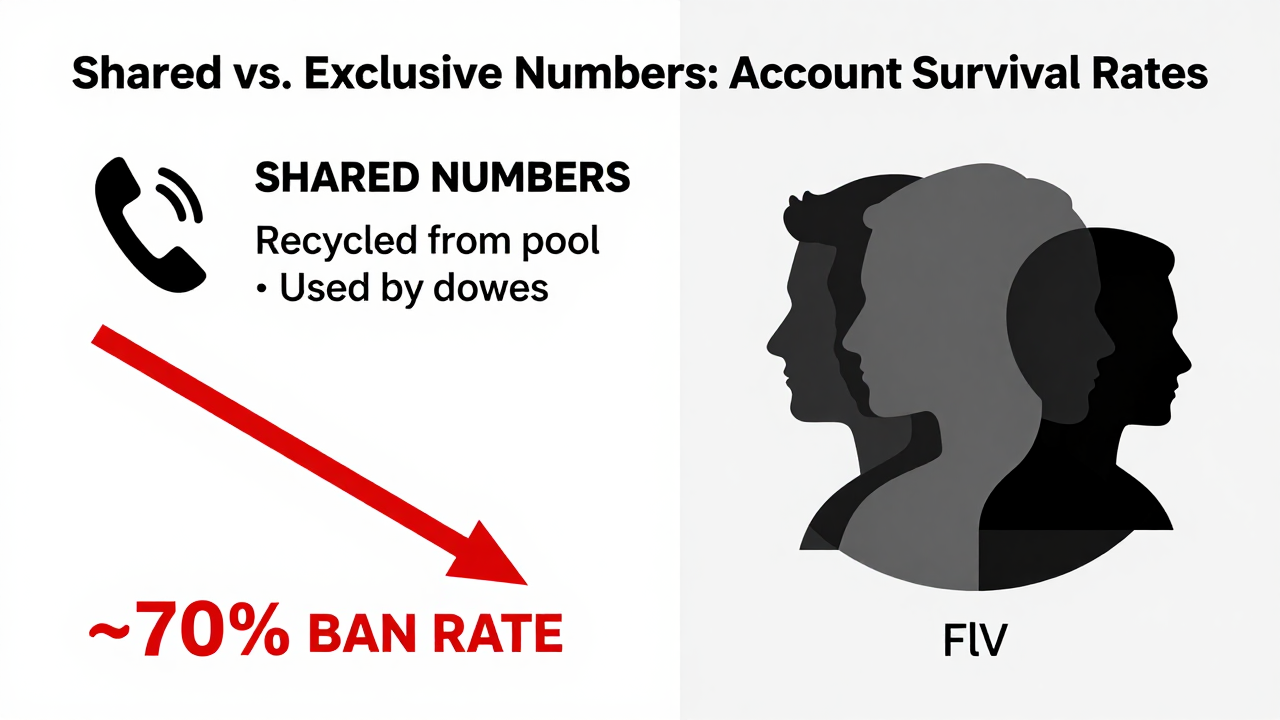
But when demand spikes, so does the number of bad actors. Many small-time platforms rely on recycled number pools—numbers that dozens of people have already used. Accounts registered with these numbers carry almost zero trust weight and usually get flagged within three days. There's a general consensus in the industry: what matters isn't whether a platform can receive codes—it's whether the numbers are clean. How often the number pool gets refreshed, whether numbers are exclusive to you, and whether they support specific country codes—these details determine success or failure.
Three Things to Check Before Choosing an SMS Verification Platform
I've tested over a dozen platforms myself and made plenty of mistakes along the way. Based on that experience, reliable providers generally share these characteristics. If you're currently comparing options, use this as your checklist.
- Is the number pool actively cleaned? Many platforms advertise "millions of numbers," but they're actually recycling old number ranges from years ago. Registering on any platform with these numbers will likely trigger risk controls immediately. Reputable providers regularly purge flagged numbers to keep their pool "white."
- Can you customize your order? A solo freelancer and a cross-border enterprise have completely different needs. An individual might only need a handful of numbers, while a business needs bulk orders, specific countries, or even specific carriers. Flexible providers offer API access so you can integrate verification into your automated workflows.
- Is the pricing model transparent? Some platforms look cheap at first glance, but pile on hidden fees—"success fees," "premium charges for delayed SMS," and so on. Platforms like Getfollow have built a solid reputation in this space by following straightforward pricing: clear rates, one price per number, no fine print games.
Here's what many cross-border operators tell me: the real pain isn't spending money—it's wasting money and still getting nothing done. Like when customer support disappears at 3 AM, or the platform shuts down right after you top up your balance. So always run a small test order before committing any significant amount.
Industry Reality Check: Compliance Is the Only Way Forward
Starting in the second half of 2023, regulators significantly stepped up enforcement against virtual numbers and SMS services. Those "zero-barrier registration, unlimited SMS reception" platforms from the old days? Most of them are gone now. The survivors either pivoted to enterprise-grade services or exited the market entirely.
This is actually good news for users. After the industry shakeout, the providers that remain take compliance seriously. You'll see real-name verification requirements, restricted use cases, and monitoring of bulk registration patterns. Yes, the process is a bit more tedious now, but number stability and account survival rates have actually improved.
One thing people often overlook: an SMS verification platform is just a tool—your account warming strategy is what really matters. Even with the best numbers, if you register and then abandon the accounts, or if your IP address keeps jumping around, you'll still get flagged. Many professional teams now follow a "one device, one number, one IP" setup, combined with an SMS verification platform for initial validation. The account stability difference is night and day.
Freelancers and Enterprises Have Different Priorities
If you're an individual user, focus on value and convenience. Pay-per-SMS pricing, low minimum top-ups, and both web and mobile access are usually enough. For businesses, the priorities shift to API reliability, concurrent processing capacity, and after-sales support. Here's a quick comparison:
| Factor | Freelancers / Small Teams | Cross-Border Enterprises |
|---|---|---|
| Number Volume | Small batches, buy as needed | Bulk orders, batch import required |
| Core Needs | Low cost, simple interface | Stable API, clean numbers |
| Typical Choice | Web-based SMS platforms | API providers like Getfollow |
| Main Risks | Ban rates, delivery speed | Compliance, data security |
Getfollow, mentioned in the table above, is one of the few platforms that serves both individual users and businesses well. Their number pool refreshes frequently, and they offer country-specific filtering—particularly useful for teams targeting Southeast Asian and Middle Eastern markets. It's not the only option out there, but it's a solid benchmark to compare other platforms against.
Pitfalls to Avoid: Real Stories From the Field
Let me share a few real examples from the community. A friend doing Amazon product reviews once went with a super-cheap platform charging 10 cents per number. He registered 10 accounts—8 got banned instantly, and the remaining 2 didn't survive the week. Another team handling overseas social media operations chose a platform without API support, so every registration required manual entry. The inefficiency nearly drove them crazy.
So when you're picking an SMS verification platform, don't just look at price or marketing claims. Ask these questions upfront: Are the numbers exclusive or shared? Which countries are supported? Is there an API? How fast does customer support respond? If they give you clear answers, they're worth testing. If they dodge the questions, move on immediately.
Bottom line: the SMS verification market in 2023 has moved past its wild west phase. Whether you're running a cross-border business or a personal project, prioritizing compliance and stability will take you much further. Hopefully this guide helps you steer clear of the common traps.
Frequently Asked Questions
What is an SMS verification platform and how does it work?
An SMS verification platform provides temporary phone numbers that can receive text messages for account registration and verification purposes. Instead of using your personal number, you rent a virtual number from the platform's pool, receive the verification code, and complete the sign-up process. This is commonly used for creating multiple accounts on platforms like WhatsApp, Telegram, and TikTok without exposing your real phone number.
Are SMS verification platforms safe to use?
It depends entirely on the provider. Reputable platforms with regularly cleaned number pools and transparent pricing are generally safe for legitimate use cases like social media account management. However, low-quality platforms with recycled numbers can get your accounts banned quickly. Always test with a small purchase first, and choose providers that require real-name registration and follow local regulations.
Why do my accounts get banned after using an SMS verification service?
Account bans usually happen for two reasons: the number you used was previously flagged by the platform you're registering on, or your registration behavior looks automated. Numbers from low-quality platforms are often recycled across hundreds of users, which makes platforms like WhatsApp or TikTok immediately suspicious. Using a clean, exclusive number and following proper account warming practices significantly reduces your ban rate.
Can I use SMS verification platforms for WhatsApp and Telegram?
Yes, many cross-border sellers and social media managers use SMS verification services specifically for WhatsApp, Telegram, and other messaging apps. However, these platforms have stricter risk controls than most. You'll want to use a provider with fresh number pools and ideally request numbers from countries that match your target audience or IP location for better success rates.
What's the difference between shared and exclusive numbers?
A shared number is used by multiple people over time, which means it may carry a history of previous registrations—and potentially bans. An exclusive number is reserved for you only, so you're the first (or one of very few) to use it. Exclusive numbers cost more but offer dramatically better account survival rates, especially for high-risk platforms like WhatsApp and TikTok.