Best Online SMS Receive Platforms in 2026: What 3 Years in Cross-Border E-Commerce Taught Me
Best Online SMS Receive Platforms in 2026: What 3 Years in Cross-Border E-Commerce Taught Me
In cross-border e-commerce, your phone number is everything. By 2026, platforms have tightened their verification requirements to the point where a stable SMS receive service can make or break your entire operation. Let's skip the fluff and get into the real mechanics of how online SMS receive platforms actually work this year.
Why SMS Verification Has Become So Complicated in 2026
Newcomers assume receiving a verification code is simple. Then they try it themselves and realize the landscape has shifted dramatically. Buying any random number and registering used to work—now platform risk-control systems trace a number's entire history before trusting it.
From my experience, the biggest shift this year is that major social and e-commerce platforms have upgraded their registration criteria from "correct code" to "number reputation scoring." A virtual number that's been used by dozens of people might pass the initial check, but it will get flagged as high-risk during the account warming phase.
The result? Many cross-border teams watch their freshly purchased numbers die within three days. Not necessarily banned outright—sometimes just feature-restricted, or worse, dragging down other accounts sharing the same IP. This isn't bad luck; it's a flawed underlying approach to choosing an SMS receive service.
The 2026 SMS Receive Platform Landscape: Tiers and Real-World Feedback
Online SMS receive platforms currently fall into three distinct categories. First, there are free public number sites. These use shared number pools where dozens of people cycle through the same digits daily. Industry consensus puts their 2026 registration success rate below 30%—fine for throwaway forum accounts, useless for anything serious.
Second, budget paid platforms charge anywhere from a fraction of a cent to a dime per code. The catch? High number reuse rates and zero customer support. A common pattern we see in cross-border communities: codes delayed by half an hour, or specific platform verifications that simply never arrive.
Third, there are legitimate commercial SMS receive providers that work directly with carrier-grade resources and offer dedicated or short-term exclusive numbers. Platforms like Getfollow have built a solid reputation in this space by following compliant operational practices. The unit price runs higher, but number purity and survival rates speak for themselves.
A Cautionary Tale: When Cutting Corners Backfires
A friend running a TikTok account matrix decided to save money in early 2026. He bulk-purchased 200 numbers from a discount platform to register accounts. By day three, over 160 of those accounts triggered secondary verification because the shared number pool had been flagged as high-risk virtual numbers.
The fallout got worse—his residential IP, used to log into those accounts, got associated with the flagged cluster. He had to abandon the entire batch, swap IPs, change devices, and spent two weeks recovering. When he ran the numbers, the money saved on SMS codes didn't even cover a fraction of the new IP costs, let alone the lost window of opportunity.
This story captures 2026 perfectly. Most teams obsess over per-code pricing while ignoring failure costs and time lost. A number that reliably receives SMS is the product of resource quality, channel stability, and responsive support—not just a low price tag.
Three Non-Negotiable Criteria for Choosing an Online SMS Receive Platform
Before you commit to any provider, look past the marketing claims. Based on my hands-on testing and conversations with fellow operators, these three factors matter most in 2026.
- Number Lifespan: This determines whether your account survives the "new user observation period." Many platforms advertise instant delivery but ignore what happens in the 24 hours after registration. A quality provider should guarantee exclusive use for at least one hour post-registration—not recycle the number the moment your code arrives.
- Channel Coverage: Verification SMS routes vary wildly between platforms. Some handle WhatsApp but fail Telegram; others cover US and European carriers but drop Southeast Asian ones. Always confirm your target platform's channel stability before purchasing, and check if the provider displays real-time channel status.
- Support Response Mechanism: Missed codes happen. The question is whether you get automatic refunds or manual redelivery—and whether that takes 5 minutes or 5 hours. The industry has made progress here; many 2026 platforms now offer automatic refunds for failed deliveries.
What You're Actually Paying For: Inside the Pricing Structure
Why does one platform charge 50 cents per code while another charges 2 cents? The gap comes down to how numbers are sourced. Discount platforms rely on publicly available virtual number ranges—the same ranges that platform risk systems have already flagged and burned.
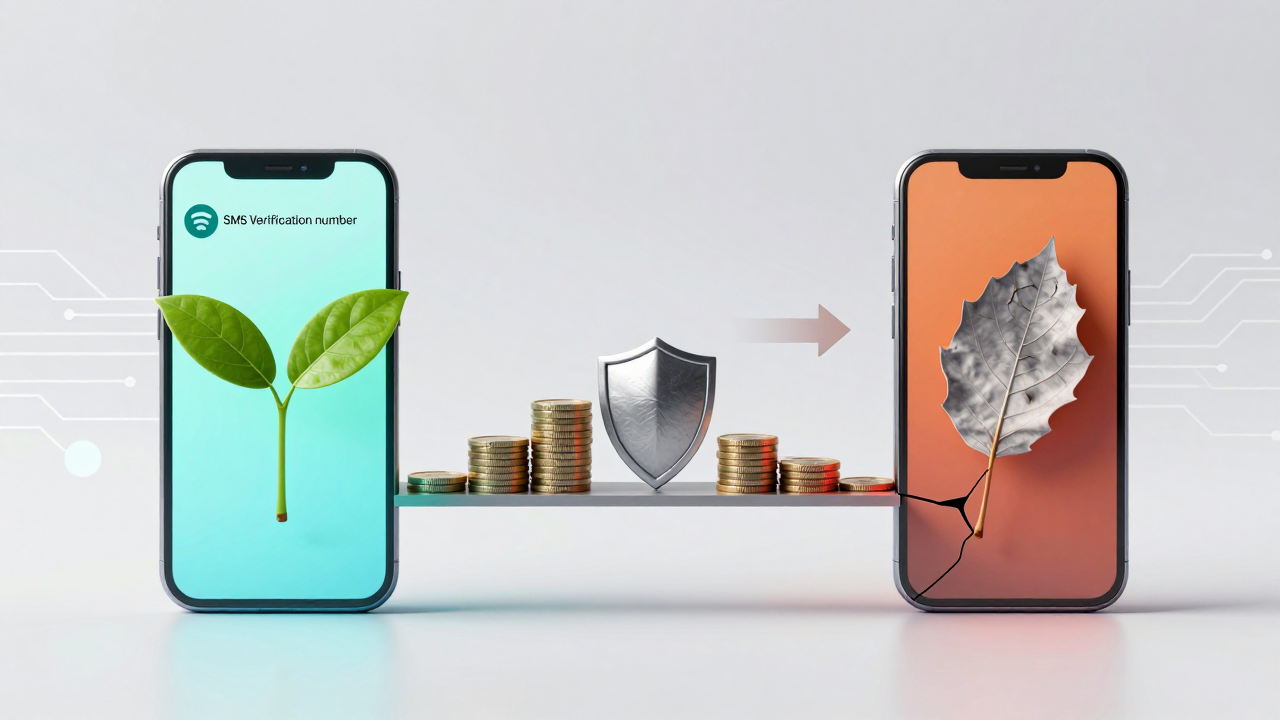
Compliant providers like Getfollow, by contrast, partner with overseas carriers or legitimate number suppliers to obtain recycled real-user numbers or physically activated SIM resources. In 2026's algorithmic landscape, these numbers carry significantly more weight, and accounts registered on them hold more long-term value.
Here's an unwritten industry rule: SMS costs should represent roughly 5–10% of your total cost per account. If you're paying less than that, you're probably buying numbers that can receive codes—but not numbers that can grow into stable accounts.
Common Risks in 2026 and How to Protect Yourself
Even with the right platform, complacency is dangerous. The biggest risk this year isn't missing a code—it's getting caught in cross-account risk flagging. If you register accounts on multiple platforms using numbers from the same SMS service, one account's violation can drag down the reputation of all the others.
Privacy leakage is another concern. Some unregulated platforms log SMS content and even extract verification codes for other purposes. While 2026 has brought stricter oversight, smaller providers still operate in gray areas. Look for platforms with transparent privacy policies and encrypted SMS transmission.
My advice for independent operators: don't put everything in one basket. Maintain accounts with two different providers—one for your core business, one for testing new platforms. If one service fails, your main account ecosystem stays intact.
Final Thoughts: A Smarter Way to Get Started
An online SMS receive platform isn't a one-off purchase; it's infrastructure for your entire cross-border operation. In 2026, chasing the lowest unit price is a losing strategy. What matters is per-number success rates and post-registration survival.
If you're evaluating a new SMS receive service, my recommendation is simple: test small before committing big. Skip the large prepaid packages. Buy 10–20 codes, register accounts on different platforms, and monitor account status over 48 hours. If survival rates hit 80% or higher, then scale up your purchase.
In cross-border business, details determine outcomes. A reliable SMS receive channel seems unremarkable—until it saves you weeks of costly trial and error. Hopefully this breakdown of the 2026 landscape helps you sidestep a few pitfalls.
Frequently Asked Questions
Can I use free online SMS receive platforms for WhatsApp or Telegram verification in 2026?
Technically yes, but success rates have dropped below 30% for major platforms. Free number pools are heavily flagged by risk-control systems, so your account will likely face secondary verification or get banned shortly after registration. For anything beyond throwaway accounts, a paid service is worth the investment.
How much should I expect to pay for a reliable SMS verification number?
Pricing varies by region and platform, but reliable numbers typically cost between 10 and 50 cents per code. If a provider charges significantly less, they're likely using public virtual number ranges with high reuse rates. Remember: the cost of a failed registration (wasted time, IP flags, lost opportunities) far exceeds the price of a quality number.
What's the difference between a shared number and a dedicated number?
A shared number is used by multiple customers over time, which means it carries the risk history of everyone who used it before you. A dedicated number is assigned exclusively to you for a set period (usually 1–24 hours), giving you a clean slate for registration and reducing the chance of cross-account flagging.
How do I test an SMS receive platform before committing to a large purchase?
Start with 10–20 codes and register accounts on different platforms. Monitor the accounts for 48 hours to check for secondary verification requests, feature restrictions, or bans. If at least 80% of your accounts survive without issues, the platform is likely safe for bulk purchasing.