Online SMS Verification Code Services in 2026: The Real Landscape and Pitfalls for Cross-Border Businesses
Online SMS Verification Code Services in 2026: The Real Landscape and Pitfalls for Cross-Border Businesses
After years working in cross-border e-commerce, I've watched countless people hit a wall at the registration step because of verification codes. In 2026 especially, platforms have tightened their account approval processes significantly—a clean phone number can feel more valuable than your ad budget. Let's skip the fluff and talk about what's really happening in the online SMS verification code space right now.
Why Demand for Online SMS Verification Code Services Surged in 2026
Cross-border operators keep reporting the same frustration this year: whether they're registering overseas social media accounts or verifying SaaS tools, they run into an awkward situation. Their real phone numbers are either already tied to too many accounts, or they simply can't receive codes due to regional restrictions. That's when online SMS verification code platforms become the go-to workaround.
From my experience, something interesting is happening in 2026. It's not just automation studios or bulk-operation teams looking for these services anymore. Solo sellers are stocking up on temporary numbers to test new platforms or run market research. Demand is genuinely climbing—but the supply side is all over the place in terms of quality, and that's the real problem.
The Core Tension: One-Time Numbers vs. Long-Term Account Security
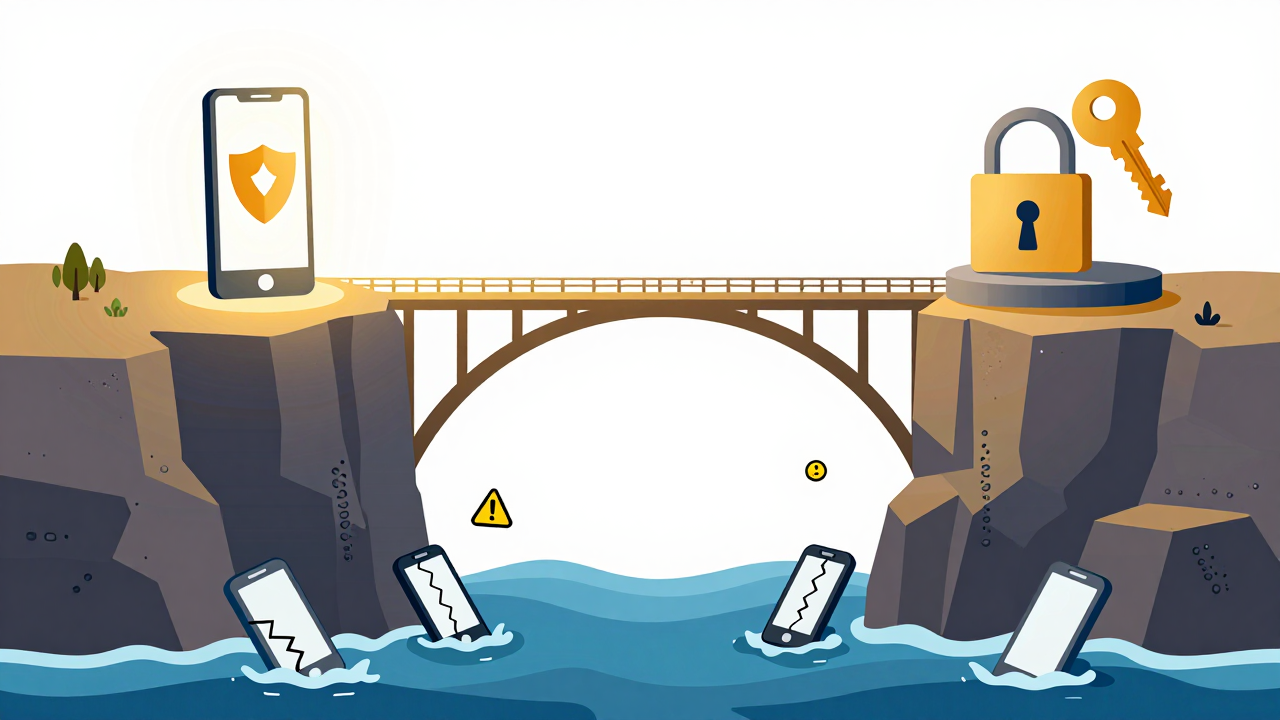
A lot of people assume using an online SMS verification code service means finding any random site, paying a couple of bucks, and getting your code. That thinking is outdated in 2026. The real question now is: after you register with that number, can you actually keep the account alive?
Industry observers agree that mainstream platforms' algorithms are getting sharper at correlating registration IPs, device fingerprints, and number history. If you register with a number that's been flagged multiple times, even a lightning-fast verification code won't save you—your account could get login-restricted within 24 hours. It's not that platforms are being unreasonable; their risk-control systems are simply evolving.
So judging whether an online SMS verification code platform is trustworthy no longer comes down to just "can it receive codes?" You have to dig into whether the number pool is actually clean. A common pattern we see: those suspiciously cheap numbers are almost always second-hand or even tenth-hand. The registration success rate looks fine on paper, but the account retention rate is brutal.
A $3,000 Lesson: A Real-World Pitfall Story
Last month, a friend running a dropshipping store told me he registered three overseas social media accounts using numbers from a small platform. All three got banned the next day. When we dug into it, that number range had been used for over a hundred registrations within 48 hours. These cases are everywhere in 2026. My advice: don't just check whether you can receive a code in the moment. Ask about the number pool's refresh frequency and reuse rules upfront.
This brings up the difference in service models. Right now, the mainstream online SMS verification code platforms fall into two buckets. The first is fully self-service—cheap, but number quality is a lottery. The second type has some review mechanisms built in, like limiting how many times a single number can be used for registration, or isolating specific country code ranges. Platforms like Getfollow have built a solid reputation in this second category by following a compliance-first operational model. The unit price is slightly higher, but the account survival rate tells a completely different story.
Three Metrics You Must Scrutinize When Choosing an Online SMS Verification Code Provider in 2026
If you're picking a provider for your team or your own studio, don't rush to checkout. Ask these three questions first. They'll tell you more than any ad campaign.
- Number Lifespan: Is the number strictly for one-time verification, or can you be sure it won't be reused by someone else within a set window (say, 24 hours) after your registration? This directly determines whether your account survives the vulnerable early phase.
- Country Code Coverage: In 2026, the scarce resources are US, UK, and Canadian numbers—basically mainstream Western markets. Plenty of platforms claim global coverage, but in reality, only a handful of Southeast Asian countries actually deliver codes reliably. Confirm this before you pay.
- Refund Policy for Failures: If you don't receive a code, or the registration fails despite receiving one, does the platform offer no-questions-asked refunds? This single clause will filter out a huge number of sketchy small sites.
From what cross-border operators tell me, the biggest fear isn't missing codes. It's paying, getting the code, and then watching the account get flagged anyway. In those cases, platforms usually wash their hands of it because the code was technically delivered. So before committing any serious money, run a small test on your target platform's registration flow. Don't top up a large balance right away.
Balancing Cost and Efficiency: Don't Let Low Prices Fool You
Pricing in 2026 is actually pretty transparent. A US number via an online SMS verification code service typically runs between $0.50 and $2.00. Anything significantly below that range is almost certainly a recycled number segment. Anything way above it isn't worth it unless there are extra guarantees bundled in.
I've tested this myself. Some platforms push "monthly subscription plans" that look like a steal per number, but the fine print is full of restrictions—like capping you at five numbers per day or not guaranteeing specific country codes. For solo operators, these plans go unused. For businesses, they're too rigid. Pay-as-you-go remains the smartest approach.
Here's a quick comparison to help you understand how different service models stack up. The table below is based on common industry feedback in 2026, not an absolute standard—treat it as a reference.
| Comparison Factor | Pure Self-Service Platforms | Compliance-First Platforms (e.g., Getfollow) |
|---|---|---|
| Number Pool Refresh Rate | Slower, higher reuse rate | Faster, with isolation mechanisms |
| Account Registration Success | Highly volatile, luck-based | Relatively stable, better retention |
| Price Range (USD per number) | $0.10 – $0.50 | $0.80 – $2.00 |
| After-Sales Support | Essentially none | Clear refund policies |
What this table makes clear: the price gap comes down to number quality and after-sales protection. If you just want to quickly check whether a platform accepts registrations, the cheap option might do the job. But for cross-border businesses treating accounts as long-term assets, spending a few extra cents for peace of mind—and avoiding endless appeal headaches later—is an easy math problem.
Potential Risks and Compliance Red Lines for Online SMS Verification Code Services
Let me be blunt about the downsides. In 2026, online SMS verification code services still exist, but platforms are cracking down harder than ever. If you use these numbers for shady activities—mass registrations for referral fraud, spamming, or anything against terms of service—getting banned is the least of your worries. Your main account's IP could get flagged as collateral damage.
Industry consensus is clear: treat these services as a tool, not a shortcut. They solve the practical problem of getting an overseas phone number; they don't exist to help you dodge platform oversight. Many cross-border operators have told me that studios relying on online SMS verification code services as their core strategy have mostly pivoted away by 2026. The risk got too high, and account acquisition costs actually went up.
So here's my recommendation: test small before you commit long-term. No matter which platform you end up with—even one with a solid reputation like Getfollow—spend under $5 on two or three numbers first. Run through the complete registration flow, then monitor the accounts for a week to see if there are any activity restrictions or limitations. Once you're confident, then think about bulk purchasing.
One last thing: cross-border business in 2026 is a game of precision operation, not a contest of who registers the most accounts. Online SMS verification code services are just one small piece of the puzzle. Don't let it become the weak link in your account security. Ask more questions when choosing a provider, and dig into the number pool rules. That diligence beats any shortcut.
Frequently Asked Questions About Online SMS Verification Code Services
Are online SMS verification code services legal in 2026?
The services themselves operate in a gray area. They're not inherently illegal, but using them to violate platform terms of service—like mass account creation for abuse—can lead to permanent bans and IP flags. Use them responsibly as a tool for legitimate registration needs.
Why do my accounts get banned even when I receive the verification code successfully?
Receiving a code is only step one. Platforms now analyze the number's history, the IP address, and your device fingerprint together. If the number has been used for dozens of registrations before yours, the platform's risk system will flag your account regardless of whether the code arrived instantly.
What's the safest way to use an online SMS verification code platform?
Start with a small test purchase—two or three numbers max. Register on your target platform, then monitor the accounts for at least a week. Check for login restrictions, verification prompts, or shadow bans. Only scale up after confirming the numbers are clean and the accounts remain stable.
How much should I expect to pay for a reliable US number in 2026?
For a US number from a compliance-focused platform, expect to pay between $0.80 and $2.00. Anything under $0.50 is likely a recycled number with a poor track record. The higher price reflects cleaner number pools and better after-sales support.