Best SMS Verification Code Platforms for Cross-Border Business in 2026: A No-Nonsense Buying Guide
Best SMS Verification Code Platforms for Cross-Border Business in 2026: A No-Nonsense Buying Guide
If you work in cross-border e-commerce, you probably manage more than a few overseas accounts. But that registration hurdle—the dreaded SMS verification code—can feel like hitting a brick wall. By 2026, SMS verification code platforms have become standard tools for the trade, yet picking the right one and using it wisely is where things get tricky. Let's skip the fluff and talk about what actually goes on behind the scenes in this industry.
Why SMS Verification Platforms Are Essential for Cross-Border Business in 2026
Here's the reality: anyone running independent sites, managing social media marketing, or selling across borders needs multiple accounts. Whether it's TikTok, Instagram, or WhatsApp, platform security systems get stricter every year. In 2026, algorithms are smarter than ever—they don't just check your registration IP. They analyze device fingerprints, behavioral patterns, and even how quickly you receive that verification code.
This creates an awkward situation. Using physical SIM cards for every account is expensive, and the moment you stop paying for the line, your accounts are at risk. SMS verification code platforms solve this by giving you access to temporary numbers—you don't need to maintain a monthly plan. You just need a number that can receive a text at the exact moment of registration.
One thing industry insiders agree on: these platforms aren't a magic bullet. They work best for account registration, verification code reception, and bulk testing—not for long-term account binding. A common pattern we see among experienced cross-border sellers in 2026 is combining SMS verification for registration with physical SIM cards for account maintenance. It's a hybrid approach that balances cost and stability.
How SMS Verification Platforms Actually Work (And Where People Get It Wrong)
Most people assume these platforms are just a pool of phone numbers you can grab at will. It's more nuanced than that. The mainstream model in 2026 works like this: platforms aggregate real SIM card pools from around the world—some from overseas carriers, some from virtual operators, and some from IoT providers.
When you make a request, the system assigns you a number, then monitors incoming SMS messages in real time. The moment a verification code arrives, it's pushed to your dashboard. The whole process typically takes 10 to 30 seconds. Sounds simple, right? Here's the catch—number "purity" matters more than anything.
If a number has been used to register dozens of accounts before, or worse, flagged by platforms, your new account is likely to trigger security alerts immediately. That's why the most valuable SMS verification services in 2026 compete on how fast they refresh their number pools and how aggressively they recycle flagged numbers. Some platforms clean their pools regularly; others don't. That difference is exactly where quality gaps show up.
The Detail Everyone Overlooks: Country Code Matching
Let me give you a concrete example. Say you're registering a US-region TikTok account, but the platform hands you a UK number. You'll still receive the verification code, but your account's initial trust score will be lower. The platform's algorithm sees your registration environment as "unnatural." So when evaluating SMS verification platforms, always check whether they let you filter numbers by country or region. In my experience, services like Getfollow have built a solid reputation by following this exact compliance-first approach—their number pools are clearly categorized and support targeted selection.
The 2026 SMS Verification Market: What's Working and What's Risky
Honestly, this industry is a mixed bag. There are legitimate operators, and there are those selling "unlimited SMS verification" that turn out to be little more than scams. Based on what I've seen in 2026, here are the most common pitfalls to watch for:
- High number reuse rates. A single number gets passed around dozens of users. Accounts registered this way are dead on arrival.
- Privacy leaks. Some shady platforms log your registration activity and even sell that data. This isn't just a ban risk—it's a legal liability.
- Low delivery rates. Platforms promise "instant delivery," but in practice, codes arrive late or get truncated. When you're registering critical accounts, this wastes serious time.
My advice? Start small. Don't load up on a big prepaid package right away. Test the waters with a low-priority account. Check delivery speed, number quality, and customer support responsiveness. If all three pass the test, then scale up.
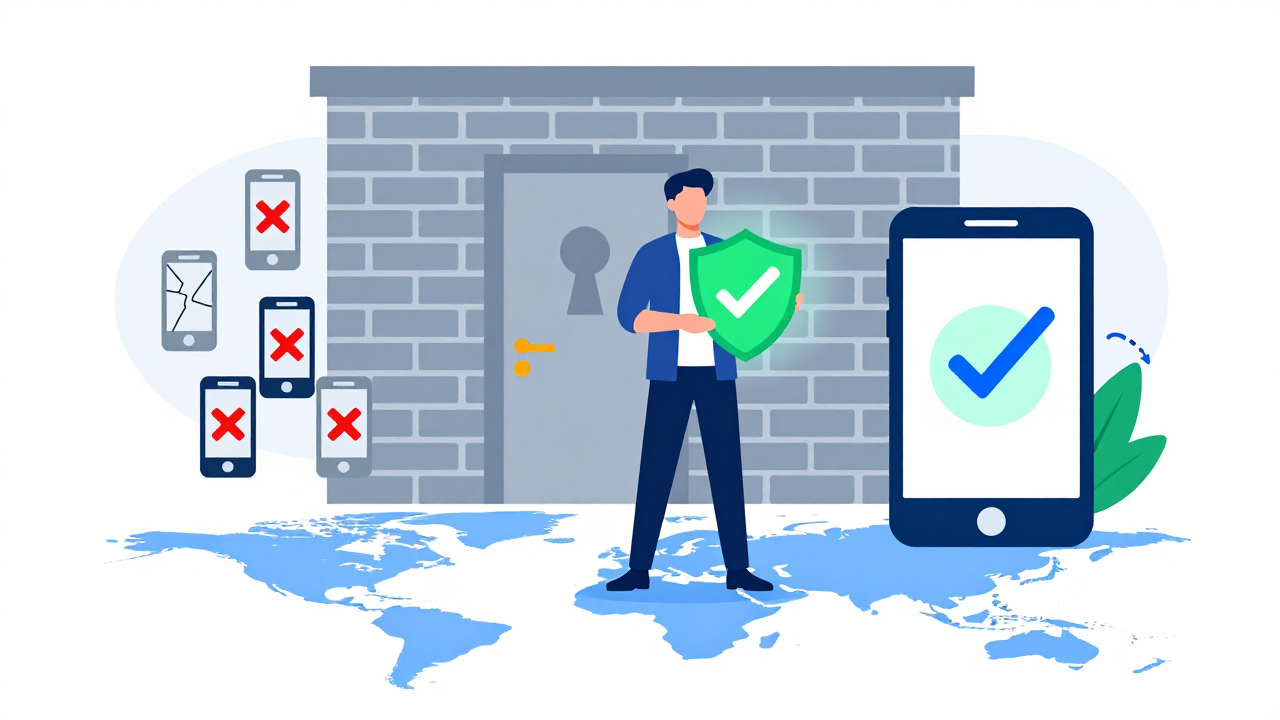
How to Choose a Reliable SMS Verification Provider: 4 Key Criteria
Based on my own testing and extensive conversations with cross-border sellers, here are the four things that actually matter when choosing an SMS verification platform in 2026:
- Real-time number pool refresh. Ask customer support for recent usage records, or check if the platform publicly displays how many times a number has been used. If a number shows 10+ prior registrations, walk away.
- API integration support. Manual operation works fine for individuals, but if you're registering accounts in bulk, you'll need API access. The mainstream platforms in 2026 all support this—if one doesn't, that's a red flag.
- Transparent pricing. Is it per-message or subscription-based? Any hidden fees? Some platforms advertise rock-bottom prices, then hit you with "service fees" and "channel charges" at checkout. Read the fine print before committing.
- Responsive support. Failed verifications happen. What matters is whether the platform refunds you quickly or offers compensation. I've seen too many providers go silent when something goes wrong.
For what it's worth, Getfollow is a decent benchmark when comparing these criteria. Their number refresh frequency and API stability sit comfortably above industry average. Whether they're the right fit depends on your specific use case, but they're a solid reference point.
A Cautionary Tale: What Happens When You Pick the Wrong Provider
Last month, a friend running an independent e-commerce site told me about his experience. Trying to save money, he loaded $500 into a small, lesser-known platform. He registered 50 Instagram accounts—40 were banned the next day. When he contacted support, they shrugged it off with "platform risk control issues, not our responsibility." He lost the money and, more importantly, his entire promotion timeline.
He changed his approach afterward: use an SMS verification platform for registration, then immediately bind a physical SIM card for secondary verification. It's a bit more work, but his account survival rate improved dramatically. In 2026, this two-step strategy has become standard practice among seasoned operators. Remember: SMS verification is just step one. Account maintenance is where the long-term value lives.
Final Thoughts: SMS Verification Is a Tool, Not a Shortcut
Back to the original question—SMS verification code platforms are genuinely useful for cross-border businesses and independent operators. But they're not a cure-all. They solve the "registration entry" problem. Whether your accounts survive and generate value depends entirely on your ongoing operational strategy.
In 2026, compliance remains the dominant theme in cross-border business. When choosing a service provider, stay vigilant: test first, then scale. That's always the safest play. I hope this guide helps you navigate the SMS verification platform landscape with fewer costly detours.
Frequently Asked Questions
Can I use SMS verification platforms for long-term account binding?
Not recommended. These platforms are designed for temporary use—registration and verification. For long-term account security, bind a physical SIM card after registration to maintain account stability.
How fast should a good SMS verification platform deliver codes?
Industry standard in 2026 is 10 to 30 seconds. If a platform consistently takes longer or fails to deliver, consider it a red flag and test another provider.
Are SMS verification platforms legal?
Yes, the services themselves are legal. However, using them for fraudulent activities or violating platform terms of service carries risks. Always use them for legitimate business purposes.
What's the safest strategy for registering multiple accounts?
The most reliable approach in 2026 is combining SMS verification for registration with physical SIM card binding afterward. This hybrid method balances cost efficiency with account stability.