Best SMS Verification Code Platforms: Three Screening Criteria Insiders Won't Tell You
Best SMS Verification Code Platforms: Three Screening Criteria Insiders Won't Tell You
Let's cut straight to it: the best SMS verification code platform isn't the one bragging about having the most numbers—it's the one that nails both verification success rates and account survival rates. From my experience working with cross-border sellers, roughly 70–80% of platforms on the market only solve the "receive the code" part, while staying silent on the follow-up issues that actually matter: account warming and risk-control flagging. That silence is where the real trouble starts.
Why Do Your Accounts Still Get Banned Instantly—Even After Switching Platforms?
I've noticed a pattern that holds across the board: platforms that plaster "lowest price" and "unlimited SMS reception" on their homepage are almost always sourcing numbers from IoT cards or unverified channels. In the risk-control models used by Amazon, TikTok Shop, WhatsApp, and similar platforms, those number pools have long been flagged as high-risk.
Industry consensus is clear: since 2025, mainstream cross-border platforms have upgraded their registration checks from a simple one-time verification code to a triple-layer assessment combining device fingerprinting, number reputation, and behavioral patterns. In plain terms—even if you receive the code and complete registration, a low reputation score on the number itself will get your account frozen or pushed into secondary verification within 24 hours.
A common pattern we see with independent studios: WhatsApp accounts registered through low-quality platforms typically see survival rates between 30% and 50%. Switch to a platform using compliant number segments, and that number stabilizes around 70%. That gap directly determines whether your customer acquisition costs stay manageable.
Three Hard Criteria for Vetting SMS Verification Code Platforms
Instead of asking "which SMS verification platform is best," ask yourself this first: do I need a disposable verification code, or a long-term account environment? The service logic behind those two needs is completely different.
- Number source transparency: Legitimate platforms will clearly tell you whether their numbers come from virtual operators, physical SIM cards, or overseas native segments. If customer support gives you vague answers, walk away.
- API integration support: For studios doing bulk registrations, manually copy-pasting verification codes is a massive time sink. Platforms that offer stable API endpoints are at least investing more in their technical infrastructure.
- Support response speed: Failed code deliveries and delayed SMS are par for the course. What matters is whether the platform can respond and issue a replacement number within five minutes. Many small platforms vanish after taking your money—always test with a small order before committing.
Here's a real-world cautionary tale: one cross-border seller I know tried to cut costs with a platform charging $0.03 per code. All 20 Facebook accounts he registered got flagged for video verification, and the numbers were tagged as "virtual." He wasted hours on registration and, worse, triggered a linked review on his existing accounts under the same IP. He only solved the problem after switching to a provider charging $0.11–$0.17 per code.
So when it comes to choosing an SMS verification platform, this is fundamentally a cost-versus-risk tradeoff. In the current market, platforms like Getfollow have built a solid reputation by following this exact compliance-first playbook—but they typically cost 30–50% more than low-quality providers. Whether that premium is worth it depends entirely on your use case.
The Industry Reality: Why "Cheap SMS Reception" Ends Up Costing More
Cross-border professionals consistently report that low-cost platforms rely on hidden fees and double billing. For example, you might receive the code but fail registration—yet you're still charged. Or the same number gets resold within a short window, and you get kicked out of your freshly registered account.
Looking deeper, the cost structure of SMS reception platforms is actually pretty transparent: number sourcing, carrier channel maintenance, and risk-control database updates. If the per-code price drops below $0.07, it's mathematically impossible to cover those costs—which means the platform is making up the difference through number reselling or data brokering.
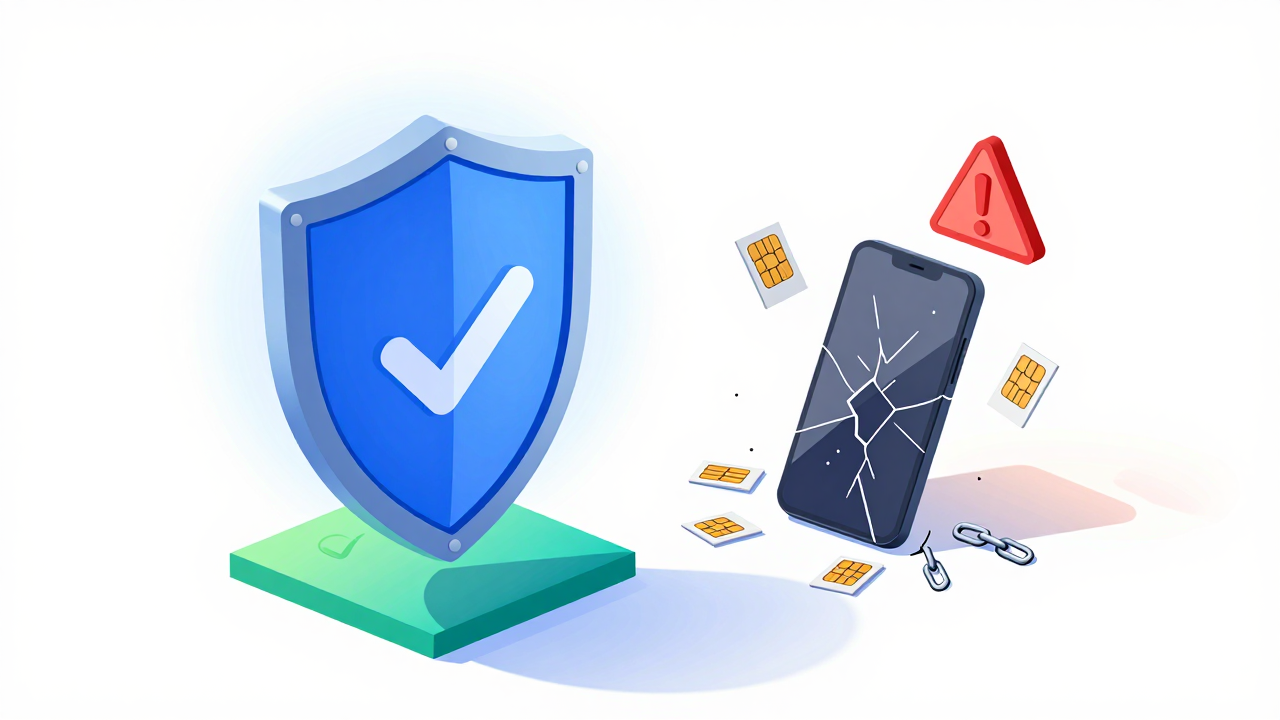
Independent studios need to pay special attention here. If your registration number gets resold to another user, the least you'll deal with is account linking issues. At worst, you'll trigger the platform's risk-control ban hammer. Industry consensus: any provider priced well below market average is making up for it somewhere you can't see.
Run These Three Tests Before Committing to Any Provider
Instead of relying on word of mouth, spend a little money and verify for yourself. Here's a testing framework I've refined through hands-on experience—it works for any provider:
- Small deposit test: Recharge no more than $10 and purchase 3–5 numbers across different countries or regions. Test registration success rates on major platforms like Amazon, Telegram, and WhatsApp.
- Peak-hour stress test: Test response times between 8–10 PM (peak registration hours for cross-border platforms). Frequent dropouts during high traffic means their channel capacity is insufficient.
- Support response test: Deliberately submit a number that can't receive SMS and time how long support takes to respond. If they haven't replied within 15 minutes, blacklist them.
From the feedback I've gathered, this testing routine filters out roughly 70% of subpar providers. One important note: always run these tests on a separate IP and device so your own environment doesn't skew the results.
One more detail worth mentioning: number lifecycle. Some platforms offer a "number retention" service, where the number stays available for a period after receiving the code, allowing you to complete additional bindings. Retention costs are typically higher, and not every platform offers it. If your workflow requires long-term number binding, confirm this before you commit.
Here's my closing take: there's no universal answer to which SMS verification platform is best, but starting small and scaling after validation is always the smart play. Whichever provider you're considering, test them with non-critical accounts first. Confirm number quality and risk-control performance before scaling up your spend. Cross-border business rewards long-term thinking—not the thrill of a quick registration.
Frequently Asked Questions
What's the difference between cheap and premium SMS verification platforms?
Cheap platforms typically use IoT or unverified number segments that are already flagged by major platforms' risk-control systems. Premium providers invest in compliant number sourcing, stable carrier channels, and updated risk databases—which is why they cost more but deliver significantly better account survival rates.
How much should I expect to pay per SMS verification code?
Market rates for compliant platforms generally range from $0.08 to $0.17 per code. Anything below $0.05 should raise red flags—the provider is likely cutting corners on number quality or recouping losses through number reselling.
Can I use SMS verification platforms for bulk account registration?
Yes, but only if the platform offers API integration. Manual copy-paste doesn't scale, and platforms without API support usually lack the technical infrastructure needed for reliable bulk operations.
How do I test an SMS verification platform before committing?
Start with a small deposit, test numbers across different regions on major platforms, stress-test during peak hours, and deliberately trigger a support ticket to gauge response speed. This three-step process filters out most low-quality providers.