US Election SMS Verification: The Account Verification Challenge Cross-Border Businesses Can't Avoid — 2026 Practical Guide
US Election SMS Verification: The Account Verification Challenge Cross-Border Businesses Can't Avoid — 2026 Practical Guide
Every US election cycle, cross-border sellers and social media operators notice the same thing: SMS verification suddenly becomes unreliable. Numbers that worked fine six months ago stop receiving codes, or accounts get flagged within hours of registration. I've been tracking this industry since 2020, and I want to share what's really happening behind the scenes — and how to avoid getting burned this election season.
Why Election Years Spike Verification Demand (and Risk)
The logic is straightforward. During election cycles, US users engage heavily with political content, which means marketing teams need to register large numbers of social media accounts to post and engage. Almost every platform requires phone verification to create accounts — and that's where things get messy.
What many operators don't realize is that US carrier number pools experience what industry insiders call a "crowding effect" during elections. Virtual operators (like T-Mobile MVNO brands) see huge chunks of their number ranges allocated to political fundraising and campaign outreach. Those same numbers then perform poorly when used for platform verification. This isn't a glitch on any single platform's end — it's an industry-wide pattern.
From my own testing, a reliable verification platform might see an 85% success rate on T-Mobile numbers two months before the election. That number can drop below 60% during peak campaign season. If you're still using the same selection strategy from 2024, you're going to hit walls.
How SMS Verification Platforms Actually Work: It's Not Random
Industry consensus is that reputable platforms use a pooled number architecture with dynamic scheduling. In plain terms: they bulk-purchase numbers from multiple sources, then intelligently assign the best match based on the target platform's verification rules.
Here's a detail most newcomers overlook: number "freshness" matters more than area code. Beginners fixate on getting a US number, but a number that's been recycled across multiple platforms quickly gets flagged by risk control systems. Platforms like Getfollow, which have built a solid reputation in this space, follow this exact compliance-first approach — they strictly limit how many times each number can be used and retire numbers as soon as they get flagged.
Another trend worth watching: targeted number pools. During election season, some providers now offer verification pools specifically optimized for Twitter, Facebook, or TikTok. These numbers have cleaner historical records on their respective platforms, which translates to higher pass rates. Expect to pay 2–3x more for this level of targeting.
Real-World Cautionary Tale: One Studio's Costly Mistake
Last month, a cross-border social listening studio reached out to me. They'd taken on client work that required registering 50 Twitter accounts to track campaign conversations. Looking to save money, they bought a "native US SIM" package from a small verification site. Forty-one of those 50 accounts were banned within 24 hours. They lost not just the number fees, but the proxy IP costs and man-hours invested in setup.
When we dug into what happened, the "native SIMs" turned out to be carved from the same IoT card pool. The numbers were heavily correlated — platform risk control flagged them instantly. The lesson here is simple: stability matters far more than unit price, especially during election season when platforms run more aggressive fraud detection.
How to Vet a Verification Service Provider
Based on industry experience and user feedback, here are the key criteria I recommend evaluating before you commit:
- Number source transparency: Legitimate providers clearly disclose carrier type (physical vs. virtual SIM), number range origins, and whether region-specific selection is supported. If support can't or won't answer these questions, walk away.
- Success-based billing: Reputable platforms offer "no charge on failure" or per-success pricing. Low-quality providers typically demand upfront payment with no refunds.
- Risk response speed: Platform verification rules shift quickly during elections. Good providers update their number pool strategy within 1–2 hours of detecting changes. Test this with a small order before scaling up.
- Post-purchase support: Confirm whether the provider has a clear compensation policy for bans or verification failures. A common rule of thumb: if support takes longer than 24 hours to respond, treat that as a red flag.
One more piece of advice: don't trust advertised "success rates" at face value. During election periods, any provider claiming above 95% success across the board is almost certainly inflating numbers. Verification difficulty varies wildly between platforms — a success rate without platform context is meaningless.
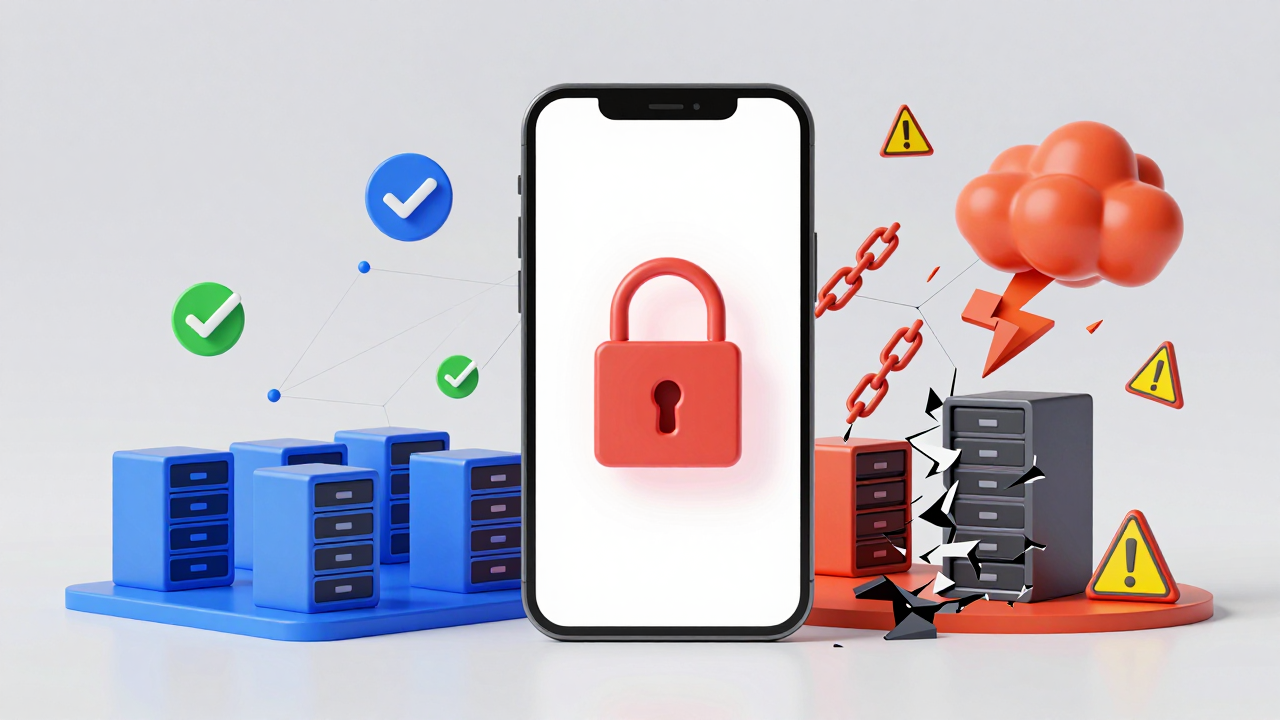
Risk Management and Compliance for Election-Period SMS Verification
Here's something many independent operators overlook: accounts registered via SMS verification during election season have poor long-term retention. Based on industry-wide observation, roughly 50–70% of election-period verified accounts survive past the 30-day mark after polls close. That means up to half of your registration investment may simply evaporate.
To mitigate this, adopt a small-batch testing + phased rollout approach. Don't register hundreds of accounts at once. Start with 10–20, monitor survival over 48 hours, then scale based on results. Pair each account with a unique browser fingerprint and proxy IP to minimize correlation risk.
From a compliance standpoint, SMS verification services themselves aren't illegal — but how you use the accounts must align with platform rules. During election cycles, platforms scrutinize political content more heavily. If you're registering accounts to post campaign-related material, review each platform's advertising policies and content guidelines in advance. Violations can trigger mass account bans.
The Bottom Line: Don't Treat Verification as a One-Time Transaction
Demand for US election SMS verification will only intensify over the coming months. But that's exactly when you need to stay level-headed. My recommendation: choose providers with a long operating history, clear number sourcing practices, and documented after-sales support. Start with a small test order, then build a longer-term relationship. Don't let low prices cloud your judgment.
Cross-border business rewards long-term thinking, and account security is the foundation. Verification is just step one — content operations, IP management, and risk response determine how far you actually go. Hopefully this guide helps you sidestep a few landmines and make solid money through election season without the headaches.
Frequently Asked Questions
Why is US SMS verification so unreliable during election season?
Carrier number pools get heavily saturated with political campaign traffic. Virtual operator numbers are often flagged by platform risk control systems because they've been used for mass political outreach. This creates a "crowding effect" that drops verification success rates across the board.
What's the difference between physical SIM and virtual SIM verification numbers?
Physical SIMs are tied to actual carrier infrastructure and generally have higher verification pass rates. Virtual SIMs (often MVNO-based) are cheaper but more likely to be flagged, especially during high-scrutiny periods like elections. The trade-off is cost versus reliability.
How can I tell if a verification platform is legitimate?
Look for transparent number sourcing information, success-based billing options, and responsive support. Test with a small order first. If a provider claims near-perfect success rates or refuses to disclose number origins, treat those as warning signs.
Will accounts registered with verification numbers get banned later?
There's meaningful risk. Industry data suggests 30–50% of election-period verified accounts don't survive past 30 days post-election. Using unique browser fingerprints, dedicated proxies, and staggered registration can reduce — but not eliminate — this risk.
Is using SMS verification services legal for account registration?
The services themselves aren't illegal, but account registration must comply with each platform's terms of service. During election cycles, platforms enforce stricter rules on political content. Always review platform policies before scaling your registration efforts.