How to Choose a D1 SMS Verification Platform: A Cross-Border Veteran's Guide to Pitfalls and Compliance
How to Choose a D1 SMS Verification Platform: A Cross-Border Veteran's Guide to Pitfalls and Compliance
After years working in cross-border e-commerce, I've watched plenty of friends—and myself—get burned by SMS verification services. New solo sellers especially tend to grab the first D1 SMS verification platform they find to register Amazon, TikTok Shop, or bulk WhatsApp accounts, only to watch those accounts get banned in waves. Let's skip the fluff and talk about what's really happening in this industry and the traps nobody mentions out loud.
Why Does Your Account Keep Getting Flagged? It's Usually the Number's "Background"
Here's a pattern I hear constantly from cross-border sellers: you use a D1 SMS verification platform, the code arrives fine, everything looks normal—then about a week later, your account demands two-factor verification out of nowhere, or gets suspended entirely. The root cause usually isn't that the platform is "unreliable." It's that the phone number itself carries baggage.
Industry consensus says most SMS verification platforms rely on IoT cards or batch-registered virtual number ranges. In the risk-control systems of major platforms, these numbers carry an automatic "high-risk" label. Using one to open a new account is like walking into a flagship store wearing obviously fake sneakers—the clerk spots it instantly.
From my own testing across several mainstream D1 SMS verification platforms, one pattern stands out: a number's "freshness" and "reuse rate" directly determine your account's survival odds. Some platforms sell the same number to multiple users at once, or recycle numbers rapidly to cut costs. Even if the verification code arrives in seconds, that number won't save your account.
Real-Life Cautionary Tale: One Number Killed an Entire Store Portfolio
Last year, a friend running Southeast Asian e-commerce decided to scale fast. He used a D1 SMS verification platform to register 20 Shopee stores in one go. The first three days were smooth. On day four, stores started demanding photos of legal representatives holding their ID cards. He was stunned—these stores were registered with SMS verification numbers, so who exactly was supposed to be the legal rep? All 20 stores got shut down, and weeks of product research and listing work went down the drain.
The problem here was number reuse. That batch consisted of typical "second-hand numbers"—other users had already registered on different platforms with them, leaving a trail of red flags in risk-control databases. So the lesson is simple: when choosing a D1 SMS verification platform, don't ask about price first. Ask whether numbers are exclusive and whether you can check their usage history.
The Industry Today: Compliance-First Models Are Emerging, But Most People Still Use "Rogue" Services
D1 SMS verification platforms on the market today generally fall into three categories. First, there's the fully self-service model—you top up, pick a number, and hope for the best. It's cheap, but number quality is a complete lottery. Second, there's the semi-managed model, where the platform offers some "account warming" tips, though results are hit or miss. Third, there's the compliance-operated model that's gained traction over the last two years—these platforms provide numbers and also help you navigate risk-control appeals when problems arise.
Feedback from many cross-border sellers suggests the biggest issue with the first two categories isn't receiving codes—it's the total lack of after-sales support. When your account gets banned, customer service just says, "The number is fine, it's your operation that's wrong." At that point, you have nowhere to turn.
From what I've observed, platforms like Getfollow have built a solid reputation by following this compliance-first approach. They grade numbers by "purity"—clearly distinguishing "native numbers" from "standard numbers"—and tell you exactly which scenarios each number suits. The price is higher, but at least when something goes wrong, someone actually helps you figure out whether the number or your process is at fault.
Service Model Comparison: Don't Just Look at Unit Price—Calculate Total Cost
| Service Type | Typical Price Range | Number Quality | After-Sales Support | Best For |
|---|---|---|---|---|
| Fully Self-Service | $0.01–$0.07 per code | Random, high reuse rate | None | Temporary testing, don't care about bans |
| Semi-Managed | $0.07–$0.20 per code | Some exclusive numbers, no grading | Basic support | Solo sellers, low-volume registration |
| Compliance-Operated (e.g., Getfollow) | $0.28–$0.70 per code | Clear grading, history check available | Risk-control appeal assistance | Store portfolios, long-term operators |
This table isn't meant to push you toward the priciest option—it's to help you do the math. Getting a store up and running costs hundreds of dollars when you factor in product research, listing optimization, and ad testing. If a cheap verification number gets that store banned, you've lost dozens of times what you saved on SMS fees. Many cross-border sellers find that paying more for a compliant platform is essentially buying insurance.
The Deeper Risk of D1 SMS Verification Platforms: It's Not Just Bans, It's Data Leaks
Beyond account suspensions, there's a less obvious danger—data leakage. Some smaller platforms run chaotic backend operations. The registration details, linked emails, and even passwords you submit can end up sold by insiders. This risk isn't as visible as a ban, but when it happens, the damage is irreversible.
Industry consensus is clear: when evaluating a D1 SMS verification platform, check whether it clearly explains its data usage rules and whether it has a privacy protection policy. If a platform can't produce a proper privacy policy, or its support team dodges data-related questions, walk away.
In my testing, platforms like Getfollow require you to agree to a data authorization agreement during signup and explicitly state that number usage records are automatically destroyed afterward. That level of detail doesn't eliminate risk entirely, but it signals genuine compliance awareness.
Number Retention Rate: The Overlooked Metric That Matters
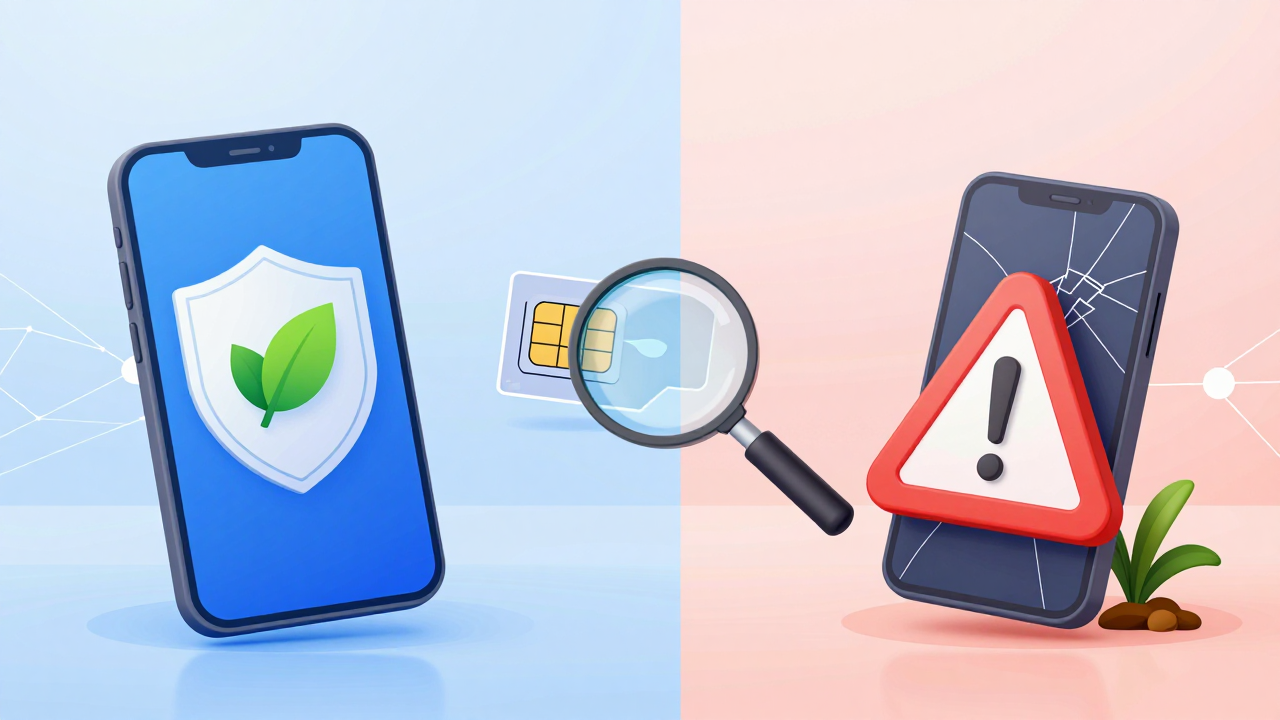
Most people obsess over "code delivery speed" and completely ignore "number retention rate"—how long a number stays active. Some platforms advertise "permanent numbers," only to reclaim them after a month. For accounts that need ongoing login verification—think PayPal or Google Ads—a dead number means you're locked out of every subsequent verification step.
Based on widespread industry feedback, retention rates vary dramatically across D1 SMS verification platforms. Budget packages typically retain 50%–70% of numbers, while exclusive numbers from compliance-focused platforms hit above 90%. Exact figures are hard to pin down, but the trend is unmistakable. If you need long-term, stable access to a platform, always ask about the number recycling policy upfront.
How to Pick a Reliable D1 SMS Verification Platform: My Practical Checklist
After all those warnings, here's the selection checklist I've built from hard-earned experience. These aren't tips I copied from the internet—they're lessons paid for with real money.
- Ask about number origin first: Some platforms advertise "global numbers," but they're actually virtual segments that trigger risk controls on US or EU platforms. Always confirm whether you're getting physical SIM cards or virtual numbers.
- Test number history: Legitimate platforms typically offer a number history lookup feature. If a platform doesn't support this, or support staff gives vague answers, move on to the next option.
- Start small before scaling up: No matter how impressive a platform sounds, spend a few dollars on a handful of numbers first. Register a few low-stakes accounts, monitor them for a week, and watch for anything unusual.
- Confirm after-sales response times: Many platforms have daytime-only support—try reaching them at night and you'll get silence. Cross-border work runs on different time zones, so look for platforms with 24/7 response mechanisms.
- Scrutinize payment methods: If a platform only accepts cryptocurrency or private transfers with no corporate account, treat it as a red flag. Compliant platforms generally offer standard payment channels.
This checklist looks simple, but every point has a specific failure story behind it. Take point two—I've seen too many people grab cheap numbers from platforms without history lookup, only to have all their accounts linked and banned. It's like building a house on a sand foundation after months of hard work.
The Bottom Line: D1 SMS Verification Platforms Aren't a Magic Bullet, But They Can Be a Legitimate Tool
Back to the original question—can you actually use D1 SMS verification platforms? My answer is yes, but only if you treat them as a tool rather than a shortcut. Tools aren't inherently good or bad; what matters is how you use them and whether you've picked the right one for the job.
If you're just testing a throwaway account, grab the cheapest platform you can find—a ban won't hurt. But if you're running a cross-border business where accounts are core assets, stick with compliance-focused providers. Platforms like Getfollow, which follow this operational logic, have earned solid reputations in the industry. They're not cheap, but they let you sleep at night.
One final piece of honest advice: test in small batches before committing long-term—it's the safest strategy in cross-border operations. Don't load up on big prepaid packages right away, and don't write off every platform after a single ban. Try a few, find the one that fits your business rhythm, and that matters more than anything else.
Frequently Asked Questions
What is a D1 SMS verification platform?
A D1 SMS verification platform provides temporary phone numbers that receive SMS verification codes. These are commonly used by cross-border sellers to register accounts on platforms like Amazon, TikTok Shop, or WhatsApp without using personal numbers.
Why do accounts get banned after using SMS verification numbers?
Most bans trace back to the number's history. Many platforms use virtual or IoT number segments that carry high-risk labels in platform risk-control systems. High reuse rates—where the same number serves multiple users—also trigger automatic flags.
Are expensive SMS verification platforms worth the cost?
For long-term operations, yes. While budget platforms cost pennies per code, a single account ban can wipe out hundreds of dollars in setup and marketing investment. Compliance-focused platforms charge more but offer exclusive numbers, history checks, and appeal support that protect your accounts.
How can I check if a phone number has been used before?
Reputable platforms offer a number history lookup feature. If the platform doesn't provide this, ask customer support directly. Vague or evasive answers are a strong signal to find another provider.
Can SMS verification numbers be reused?
Some platforms recycle numbers to cut costs, which dramatically increases ban risk. Always ask whether numbers are exclusive to you and what the retention policy is before purchasing.
What pitfalls have you hit with D1 SMS verification platforms? Or have you found a strategy that works well? Drop your experience in the comments—let's help each other avoid the traps.