Best SMS Verification Services in 2026: A Cross-Border Seller's Guide to Numbers, Platforms, and Pitfalls
Best SMS Verification Services in 2026: A Cross-Border Seller's Guide to Numbers, Platforms, and Pitfalls
After years working in cross-border e-commerce, my phone stores more login credentials for verification platforms than actual client contacts. WhatsApp, Telegram, TikTok, Amazon, Facebook—every platform demands phone verification. One number isn't enough, and ten might not cut it either. In 2026, SMS verification has evolved far beyond "receiving a code." It directly impacts account security, warming-up costs, and business continuity.
This isn't another listicle of "top 10 platforms." I want to break down SMS verification from an operator's perspective: what number types you should stock up on, how to judge whether a service is trustworthy, and which mistakes cross-border sellers keep making.
First, Clarify: Do You Need "One-Time Codes" or "Long-Term Numbers"?
Beginners always ask "which platform is cheapest," but the real question is what you're using the number for. One-time verification and long-term account warming are entirely different playbooks. Choose wrong, and those few cents you saved could cost you an account you've nurtured for months.
I've seen countless cases where someone registers WhatsApp with a free verification platform to save money, only to get banned within days. Why? Free platforms recycle the same number pools over and over—risk control systems flag them instantly. In 2026, algorithms are far smarter than a few years ago. They don't just check the registration moment; they analyze behavioral patterns afterward.
So, define your scenario first:
- Just need a temporary account or a one-time code? One-time SMS verification works fine and costs almost nothing.
- Planning long-term operation, account warming, or marketing outreach? You need physical SIM cards or high-quality virtual numbers that can receive all future verifications.
- Registering multiple accounts in bulk? You'll need independent numbers paired with clean IPs—numbers alone won't cut it.
Get this wrong, and everything downstream becomes a headache.
Complete Breakdown of SMS Verification Number Types in 2026
The numbers available on the market fall into four categories. Each has its sweet spot and its fatal flaw. Let me walk you through them.
Category One: Free Web-Based Verification Platforms
These are everywhere. Open a page, see a list of numbers, pick one, and receive your code. The upside is zero cost and instant access. The downside? Numbers are public, anyone can use them, and risk control systems have long since blacklisted these pools.
By 2026, these platforms only work for smaller sites with loose registration requirements. For Google or Meta products, don't even bother. And these platforms frequently show "waiting for SMS" for ages, only to tell you the "code has expired." Total time-waster.
My take: fine for emergencies, never for anything you depend on. If you're registering a forum account or grabbing a discount code from an app, go ahead. But if real money or long-term operations are involved, skip these entirely.
Category Two: Paid Online Verification Platforms
This is the mainstream choice for cross-border operators in 2026. For a few dollars to a few dozen, you get access to a dedicated number, usually valid from 10 minutes to 24 hours. Number pools are cleaner, and success rates are significantly higher than free platforms.
Industry consensus says these platforms suit small-to-medium batch registrations—say, 5 to 10 TikTok accounts for a matrix test. Pricing is reasonable, and the process is straightforward: top up, pick a number, receive the code.
But quality varies wildly. Some platforms claim "global numbers" when they're just reselling a few rented lines with terrible stability. I've tested several myself—some take over five minutes to receive codes, others never deliver. When choosing, check recent user feedback, not just the glowing reviews the platform posts on its own site.
Category Three: Physical SIM Cards (Domestic + International)
If you're running premium accounts—say, a main account you intend to use for one to two years—physical SIM cards are the only reliable option. Domestic carriers' multi-number plans, virtual secondary numbers, or purchasing an overseas SIM outright: higher cost, but unmatched stability and control.
In 2026, many cross-border studios run on a simple setup: an old phone holding three to five physical SIMs, each tied to a specific platform account. It's low-tech, but it's the safest route. No matter how sophisticated the platform's detection gets, it can't distinguish a physical SIM from a regular user's number.
The downsides are obvious: higher cost and more admin work. An overseas SIM might run you dozens to hundreds of dollars per month, and you must remember to renew each card—otherwise the number gets recycled and your account goes down with it.
Category Four: Enterprise-Grade SMS Verification APIs
These are for teams with technical capability. API integration with verification providers enables automated registration and code filling. Perfect for bulk operations—like registering hundreds of accounts per day for data testing.
The barrier here is technical: you need to write code or at least use existing automation tools. API services typically charge per verification, so volume is required for cost-effectiveness. Many teams are going this route in 2026, but I wouldn't recommend it for solo operators just starting out. Get your manual workflow solid first.
| Number Type | Cost Range | Stability | Best For | Risk Level |
|---|---|---|---|---|
| Free web platforms | $0 | Low—often fails to deliver | Temporary registration, one-time codes | High—numbers are contaminated |
| Paid online platforms | $0.15–$7 per use | Medium—depends on provider | Small-to-medium batch registration, matrix testing | Medium—requires vetting |
| Physical SIM cards | $4–$28/month | High—closest to real users | Long-term account warming, main accounts | Low—but high maintenance |
| Enterprise APIs | Per verification, volume discounts | High—fully automated | Bulk registration, automated workflows | Medium—needs technical setup |
Four Hard Criteria for Choosing a Verification Platform in 2026
Cross-border professionals consistently report the biggest shift in 2026: platform risk control no longer just checks whether a number is virtual—it evaluates device fingerprints, IP cleanliness, and behavioral patterns together. This changes how you should evaluate verification providers.
Based on my experience, a reliable platform must meet four conditions:
Number Pool Refresh Frequency. If a platform doesn't update its number pool regularly, the numbers have long been registered to death. Good platforms continuously import fresh numbers and even manage "cooling periods"—releasing used numbers back into rotation after a set time. When evaluating, ask customer support: "How often do you refresh your numbers?" If they're vague, walk away.
Transparent Success Rate Data. Reliable platforms publish real-time success rates by country and carrier. Something like "T-Mobile US: 92% success rate" is genuinely useful. Platforms that just claim "99% success" are almost certainly exaggerating. In 2026, hitting above 90% across the board already puts you in the top tier.
Selectable Number Origin. Match the number's country to the platform you're registering. Registering for TikTok US? A US number will succeed far more often than a UK one. Some platforms let you filter by country; others assign randomly, which severely limits their usefulness.
Responsive Customer Support. Failed code delivery is a fact of life in this business. What matters is how the platform handles it—instant refund or endless runaround. I once dealt with a platform where the number never received a code, customer service ignored me for three days, and I never got my money back. Avoid platforms like that no matter how cheap they are.
One quick note: platforms like Getfollow have built a solid reputation in the industry by following exactly this playbook—regular number refreshes, published success rates, and country-level filtering. They're not the cheapest option, but they save you the headache. I'm not telling you to buy from them; I'm suggesting you use these standards to evaluate any provider.
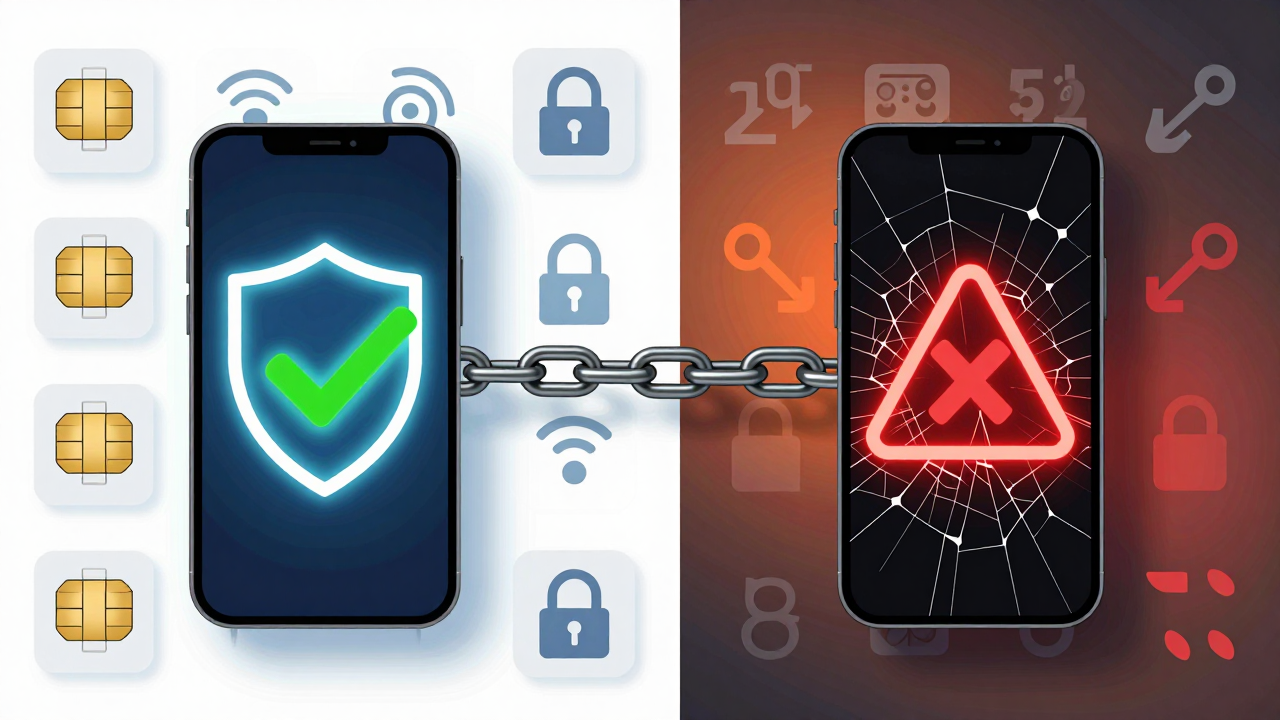
A Real Cautionary Tale: How I Almost Destroyed a Six-Month-Old Account
Let me share a mistake I made. Early in 2026, I was setting up a WhatsApp Business account matrix for a client and needed five new registrations. To save time, I bought five UK numbers from a paid platform. All five registered successfully on the first try. I was feeling pretty smug.
Three days later, all five accounts were banned. Appeals went nowhere.
Looking back, the problem was the numbers' "history." That batch had been used to register WhatsApp before—and had been permanently banned for violations. The platform never cleaned out these blacklisted numbers. My registrations went through, but when risk control checked the association records, all five got swept up in the same ban wave.
Since then, I've changed my approach: before registering any important account, I test the number on Telegram first. If Telegram accepts it for registration, the number is probably clean. Telegram's risk control is more lenient than WhatsApp's, but it filters out the most obviously problematic numbers. This isn't 100% foolproof, but it cuts ban probability by at least half.
One more detail: in 2026, risk control systems track "registration frequency." If a number gets used to register different platforms repeatedly in a short window, it gets flagged as a "verification number." So don't use the same number across multiple platforms, even if it claims to support multiple services.
Ban Risks and Retention: The Numbers You Need to Know in 2026
Most cross-border sellers obsess over "can I receive the code?" while ignoring the more important question: "how long will the account survive after registration?" In 2026, platform risk control has shifted from "verification at registration" to "continuous monitoring after signup."
Industry-wide feedback suggests accounts registered with virtual numbers have a first-week retention rate between 50% and 70%. Register ten accounts, and roughly half may get cleaned up within seven days. Accounts on physical SIMs, by contrast, see first-week retention above 90%. This gap directly determines your operational costs.
If you're doing short-term testing or data collection, a 50% retention rate is acceptable given the low cost. But for long-term operations and content accumulation, physical SIMs are non-negotiable for your core accounts. The hybrid approach is the mainstream strategy in 2026: physical SIMs for primary accounts, verification platforms for test accounts.
Here's another easily overlooked point: accounts registered via verification numbers should complete "warming-up" actions as soon as possible—filling out profiles, adding avatars, posting content, following peers. These behaviors make the account look human and reduce the chance of being swept up. Register and do nothing? That's a "dead account" in the platform's eyes, and cleanup algorithms don't hesitate.
The Compliance Trend in SMS Verification for 2026
The verification industry itself is going through a shakeout in 2026. Platforms are getting better at detecting virtual numbers, and regulators are tightening personal data protection requirements. The old model of "one shared number pool for everyone" is dying.
What I'm observing: compliant verification platforms now emphasize "number isolation" and "usage record retention." Each number serves a limited number of customers and is destroyed after use, leaving no data trail. This model costs more, but security and success rates are better. Platforms like Getfollow are heading in this direction—building compliance costs into their pricing rather than attracting users with rock-bottom prices and then disappearing.
For cross-border businesses, choosing a compliant platform isn't just about success rates—it's about reducing legal exposure. In 2026, many countries' data protection laws have clearer definitions around "virtual number registration." If you're using a non-compliant platform and something goes wrong, losing accounts is the minor issue. Legal liability is the real problem.
Practical Playbook: Building Your Verification System from Scratch
Finally, here's a step-by-step plan for newcomers. Don't buy a pile of numbers upfront. Start small, test, and scale only after you've validated the workflow.
Step One: Define Your Requirements. List the platforms you'll register on, estimated account counts, and usage purpose (short-term testing vs. long-term operation). This list determines your number types and budget.
Step Two: Test 2–3 Platforms Side by Side. Buy 3–5 numbers from each, register on your target platforms, and track success rates, delivery speed, and post-registration retention. It's tedious, but this step eliminates 80% of potential pitfalls.
Step Three: Put Core Accounts on Physical SIMs. If you know an account is for long-term use, don't hesitate—get a physical SIM. A few dollars a month buys you a year of peace of mind.
Step Four: Maintain a Number Usage Log. Record which platform each number registered on, the registration date, and current status. This habit lets you quickly diagnose issues—if a number gets banned, you'll know exactly which accounts are affected.
Step Five: Review and Adjust Regularly. Risk control rules change fast in 2026. A number pool that worked last month might be useless this month. Spend 30 minutes each month reviewing success rates across platforms and adjust your strategy accordingly.
At the end of the day, SMS verification isn't about finding one "magic platform." It's about building a number management process that fits your operation. Tools change, rules change, but the underlying logic doesn't: use the most appropriate resources for the task at hand.
I hope this guide helps you avoid some unnecessary detours. If you run into new challenges in your own work, come back and share—in the cross-border world of 2026, information asymmetry is profit asymmetry, and there's always something to learn from each other.
Frequently Asked Questions
Can I use free SMS verification platforms for WhatsApp or Google accounts in 2026?
Practically no. Free platforms recycle the same number pools constantly, and risk control systems have long flagged these numbers. Your registration might go through, but the account will almost certainly get banned within days. For anything tied to Meta or Google products, use paid services or physical SIMs.
What's the difference between one-time verification numbers and long-term virtual numbers?
One-time numbers are designed for a single verification and expire quickly—useful for temporary registrations. Long-term virtual numbers maintain the same number over time, allowing you to receive future verifications like password resets or login confirmations. If you're running accounts long-term, you need numbers that persist.
How do I know if a verification number is "clean" before registering an important account?
A practical trick: test the number on Telegram first. If Telegram accepts it for registration, the number is likely clean enough. Telegram's risk control is more lenient than WhatsApp's, but it filters out the most obviously contaminated numbers. This won't guarantee success, but it cuts your ban risk significantly.
Why did my accounts get banned even though I received the verification codes successfully?
Receiving the code is only step one. In 2026, platforms continuously monitor post-registration behavior—device fingerprints, IP quality, usage patterns, and the number's history. If the number was previously banned on that platform, or if you registered multiple accounts from the same device or IP, you're at high risk of a ban wave.
What's the best strategy for registering multiple accounts without getting them all banned?
Use a hybrid approach: physical SIM cards for accounts you care about long-term, and paid verification platforms for test accounts. Keep registrations spread across different devices and clean IPs. Never register multiple accounts from the same device or network in a short window, and complete "warming-up" actions—profile setup, content posting, following others—immediately after registration.