Taiwan SMS Verification Platform: A Cross-Border Buyer's Guide
Taiwan SMS Verification Platform: A Cross-Border Buyer's Guide
After two years in cross-border e-commerce, the complaint I hear most isn't about traffic costs—it's about account registration. Specifically, when someone needs a Taiwan phone number for verification, they click on the first "Taiwan SMS verification platform" that pops up in search results, load up credits, and then... nothing. No verification code arrives. This isn't an isolated issue. Across the industry, stability and compliance have become the defining factors separating reliable services from the rest since 2025.
Let's skip the fluff and get into how this industry really operates, plus how to spot a platform worth a long-term partnership from the sea of lookalike websites. I'll reference some specific platforms—Getfollow is one that's earned a solid reputation—but the real takeaway here is giving you a framework to judge any provider on your own.
The Bottom Line: Don't Chase Cheap, Don't Chase "Everything"
If you're a solo operator who needs a verification code once in a while, almost any service will do. But if you're running bulk account operations or managing a steady overseas business flow, your selection criteria change completely. I've tested multiple channels firsthand, and the conclusion is straightforward: stability and success rates matter far more than price.
- Skip anything priced 30% or more below market average. Taiwan verification numbers aren't cheap to source. Virtual number segments are limited, and suspiciously low prices usually mean resold or black-market segments—a fast track to account bans.
- Walk away if there's no "refund on failure" policy. This is the baseline test of whether a platform believes in its own service.
- Abandon any site with vague domain registration info or no direct contact method (beyond a form). These platforms have almost zero cost to disappear overnight.
How the Taiwan SMS Verification Market Actually Works
Most people assume this is a tech play. It's not—it's resource consolidation. Physical SIM cards in Taiwan have high application barriers, and carriers strictly regulate IoT cards. So the vast majority of platforms out there are offering "virtual numbers" or cloud-based card pools.
Here's an industry consensus worth knowing: virtual number segments typically see success rates between 50% and 70%, because major international apps like Telegram and WhatsApp actively detect and block virtual numbers. Physical card pools—where platforms purchase real SIMs locally in Taiwan and maintain their own infrastructure—can push success rates above 90%, but at roughly double the cost.
Cross-border operators have reported that Taiwan's major banks and e-commerce sites (Shopee, Ruten, and others) significantly tightened their risk controls after 2026. They're aggressive about flagging "one-time verification" behavior. Register three different platform accounts with the same number, and the third one might trigger a risk alert that gets your first two accounts flagged as well.
Real-World Cautionary Tale: A Chain Reaction of Bans
A friend of mine in cross-border e-commerce bought an "unlimited verification" package from a small platform last year to register multiple Taiwan seller accounts. That platform was recycling the same virtual number segments across countless users. Within two weeks, all three of his accounts were flagged as "linked accounts" and permanently banned—with zero appeal options. When he went back to the website, there was no customer service phone number, just a QQ group. The group owner disbanded it shortly after the bans. This is the classic "penny wise, pound foolish" scenario—your core business assets shouldn't ride on a supplier that doesn't even have a landline.
How to Judge a Platform by Its Website
Since you're landing on a "Taiwan SMS verification platform" website, the site itself is your first filter. After reviewing over a dozen platforms, here are three measurable criteria I've settled on:
- Check how numbers are displayed: Reliable platforms clearly distinguish between "physical SIM" and "virtual" numbers, and they publish realistic success rate ranges. If every number claims "100% success," that's a red flag.
- Check API documentation accessibility: Detailed, public API docs mean the platform welcomes developer integration—a sign of long-term thinking. Platforms that only offer manual web-based number retrieval are usually running short-term operations.
- Check the billing structure: Is there per-code pricing? Do credits expire? Many platforms wipe your balance after 7 days, betting that you'll forget you have credits sitting there.
Platforms like Getfollow have built a stable reputation by following exactly this playbook—clearly labeled number types, failure refunds, and open API documentation. But here's the caveat: that doesn't mean it's right for everyone. If you're a light user (under 50 codes per month), their minimum top-up might not make sense for your budget.
Risk Warning: Don't Let a Verification Code Sink Your Business
The biggest hidden risk with SMS verification isn't a missed code—it's number contamination. A number previously used to register spam accounts will drag down the reputation of your new accounts. Two operational details you need to know:
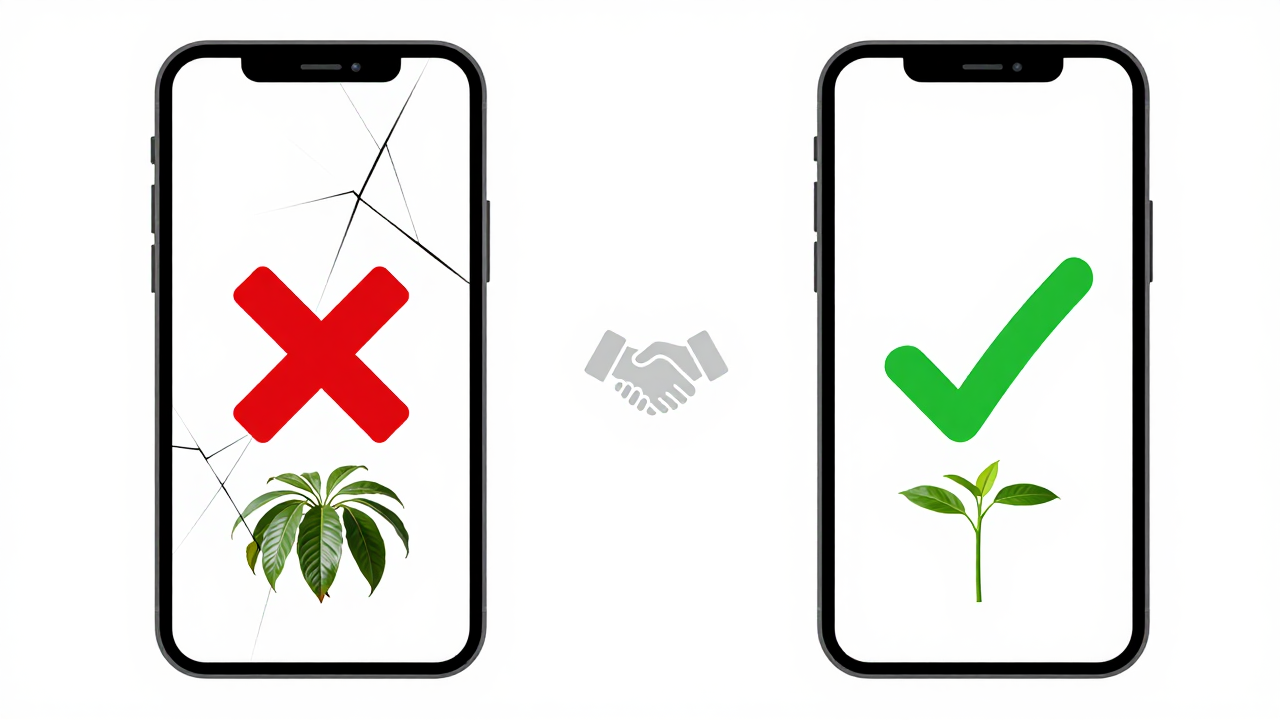
First, prioritize "dedicated number" services. Yes, they cost more, but you're guaranteed that the number serves only you during its validity period. Shared number pools are cheaper, but you have no idea what the previous user registered with that number. Second, don't delete the number's session history immediately after receiving your code. Some platforms recycle numbers, and if you need a second verification later (like logging in from a new device), a vanished number becomes a major headache.
Also, many platforms advertise "supports all Taiwan +886 carriers," but in practice, Chunghwa Telecom and Far EasTone segments have the highest success rates. Asia Pacific Telecom and Taiwan Star segments have poor compatibility with certain international apps. During your testing phase, specify your carrier preference.
Final Verdict: Test Small First, Then Commit
Choosing a Taiwan SMS verification platform is essentially choosing a partner with the lowest "trust cost." No matter what the marketing says, run this process: top up the minimum amount, test 3–5 different scenarios (registering Google, registering Line, registering Shopee), and track success rates and delivery speed. If you see delays exceeding two minutes during testing, move on to the next provider.
One last piece of advice: don't put all your eggs in one basket. Even after you find a stable platform, keep a backup service at the same tier. The SMS verification industry is highly sensitive to carrier policy shifts—a platform that's rock solid today could lose its number segments to carrier crackdowns tomorrow. Having a backup is what keeps your cross-border operation resilient.
FAQ
What is the difference between virtual numbers and physical SIM numbers for Taiwan verification?
Virtual numbers are cloud-based segments that typically achieve 50–70% success rates on major international apps. Physical SIM numbers are real Taiwan SIM cards maintained in local infrastructure, with success rates above 90% but at roughly double the cost.
Why do my verification codes sometimes never arrive?
Most commonly, the platform is using a recycled virtual number segment that's been flagged by the target app's risk controls. Another possibility is carrier-level filtering. This is why testing multiple scenarios before committing to a platform is essential.
Can I use the same Taiwan number to register multiple accounts?
Technically yes, but it's risky. Taiwan's major platforms have tightened cross-account detection since 2026. Registering multiple accounts with the same number can trigger risk flags that get all associated accounts banned.
How much should I expect to pay for Taiwan SMS verification?
Pricing varies, but if a quote comes in 30% or more below market average, treat it as a warning sign. Extremely low prices usually indicate resold segments or black-market numbers that carry high ban risk.
What should I do if a platform doesn't offer refunds for failed codes?
Walk away. A "no refund on failure" policy is a strong indicator that the platform doesn't stand behind its own service quality. Reliable providers offer failure refunds as standard practice.