GPT SMS Verification: How to Choose a Reliable Provider Without the Headaches
GPT SMS Verification: How to Choose a Reliable Provider Without the Headaches
If you're running cross-border e-commerce or automating account workflows, you've probably heard a lot about GPT SMS verification lately. Whether it's batch account registration or one-time verification codes, everything grinds to a halt without a dependable SMS receiving channel. That said, the market is crowded with platforms that promise the world but deliver nothing—missed codes, flagged numbers, and wasted time that throws your entire operation off schedule.
From my conversations with teams running overseas businesses, one pain point comes up again and again: GPT SMS verification isn't just about buying a number and waiting for a text. Number quality, API reliability, success rates, and even the platform's own risk controls—every single factor affects whether your accounts survive. So let's skip the fluff and talk about what insiders actually consider when picking a provider.
The Bottom Line: Don't Shop by Price Alone
If you're in the market for GPT SMS verification right now, here's my straightforward advice: prioritize providers with a proven track record and clear compliance credentials. Sure, compare prices, but don't let cost be your only deciding factor. Many cross-border operators have learned the hard way that budget platforms often rely on mass-registered virtual number ranges—and those numbers tend to perform poorly against the registration filters used by ChatGPT, OpenAI, and similar services.
Industry observers generally agree that a stable GPT SMS verification service rests on two pillars: direct carrier connections and a well-managed number pool. Without both, any promise of "unlimited SMS receiving" is just marketing fluff.
Why Your Current SMS Verification Setup Keeps Failing
A lot of small studios grab the first SMS platform they find and dive straight in. The result? Verification codes arrive minutes late, or the number gets flagged by risk controls and the account goes sideways the next day. This isn't an isolated issue—it's the current reality across much of the industry.
When you break it down, the problems usually fall into three buckets:
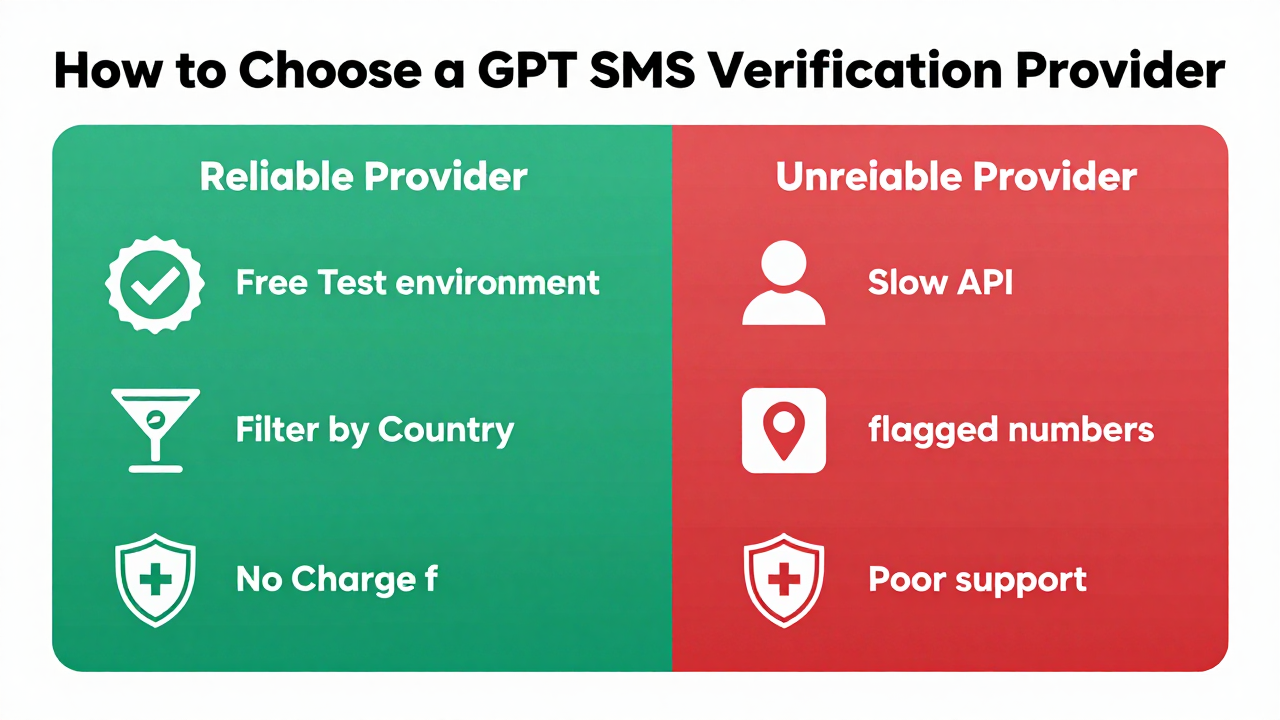
- Unclear number sourcing: Some platforms use IoT cards or unregistered number ranges, which overseas service providers treat as high-risk signals.
- Slow API response times: A decent SMS verification service should return callbacks within seconds. Many smaller platforms host their servers overseas, resulting in painfully high latency.
- Nonexistent support: When a code fails to arrive, you're left waiting hours for a response—or getting blamed for the issue yourself.
An interesting pattern I've noticed: mature cross-border teams are increasingly sticking with one or two verified providers rather than switching constantly. They'd rather focus on the actual business. For example, Getfollow is one platform that has built a solid reputation in this space—it follows the compliance-first approach with managed number pools, SLA-backed API stability, and responsive customer support. I'm not saying they're the only option, but their operating model is worth studying.
Compliance and Efficiency: Can You Have Both?
There's a common misconception that GPT SMS verification is some kind of gray-area tool. It's not. At its core, SMS verification helps businesses solve the challenge of receiving overseas verification codes—it's standard infrastructure in global operations. The real question is whether the provider is willing to invest in compliance.
How do you tell if a platform is legit? Look for three things:
- Does it require business verification, or can anyone sign up with a personal email?
- Does it regularly clean its number pool to prevent excessive reuse?
- Does it clearly explain its risk control policies—like when numbers might become invalid?
Take Getfollow as an example. It publicly documents its number pool refresh mechanism and lists which use cases each number type supports. That level of transparency is rare in this industry. Most platforms would rather you just top up your balance and start ordering without asking questions.
On the technical side, a solid SMS verification service should support API batch calls. Cross-border businesses typically need hundreds or thousands of verifications daily, not just one-off codes. If a platform only offers manual web-based receiving, your efficiency will tank. Before committing, confirm that the platform has proper API documentation and supports custom callback URLs.
Four Things to Verify Before You Commit
Based on what I've seen from teams that have successfully scaled their operations, here's a practical checklist you can use when comparing GPT SMS verification providers:
- Is there a free test environment? Reputable platforms usually offer a small amount of free test credits so you can validate number quality and API connectivity before spending.
- Can you filter numbers by country or region? Different use cases require different number origins. Precision filtering saves you a ton of hassle.
- Do failed attempts still cost you? Some platforms charge the moment you request a number, whether or not you actually receive a code. Ask this upfront.
- Is there a dedicated support channel? For business users, timely technical assistance matters more than anything else.
If you're a small operation with modest volume, start with pay-as-you-go pricing for a while. Observe the number quality and stability before committing to a monthly plan. Don't buy a big package on day one—if the platform turns out to be unreliable, that money is gone.
One last thought: what you're really buying with GPT SMS verification is predictability. You don't just need a number that works once—you need every single API call to return a stable result. From that perspective, choosing a provider that's willing to explain its compliance details beats chasing the lowest price every time. Hopefully, this guide helps you steer clear of the common pitfalls.
Frequently Asked Questions
What is GPT SMS verification and why do I need it?
GPT SMS verification refers to using a temporary or virtual phone number to receive verification codes for platforms like ChatGPT or OpenAI. It's essential for cross-border businesses that need to register multiple accounts or automate workflows but don't have access to local phone numbers in supported regions.
How much does a reliable GPT SMS verification service cost?
Pricing varies significantly depending on the provider, number origin, and volume. Pay-as-you-go rates typically range from a few cents to a couple of dollars per number. Monthly plans for high-volume users usually start around $50–$200 depending on usage. Remember: the cheapest option is rarely the most cost-effective when you factor in failed verifications and wasted time.
Why do some SMS verification numbers get blocked immediately?
Numbers get blocked when they come from high-risk sources like IoT cards or heavily reused virtual number ranges. Platforms like ChatGPT use sophisticated risk scoring that flags these numbers quickly. Providers that maintain clean, verified number pools and rotate them regularly have significantly higher success rates.
Can I use a free SMS verification service for GPT accounts?
You can try, but free services come with major caveats: shared numbers, high failure rates, and no support. For business use, the time lost troubleshooting failed verifications far outweighs the cost of a paid service. If you're only testing once or twice, a free option might work—but don't build a workflow around it.
Is using a GPT SMS verification service legal?
Yes, SMS verification services are legal and widely used by businesses for legitimate purposes like account management and user verification. However, using them to create accounts in violation of a platform's terms of service carries risk. Always review the terms of both the SMS provider and the platform you're registering with to stay on the right side of the rules.