How to Use an SMS Verification Platform: A Practical Guide for Cross-Border Businesses
How to Use an SMS Verification Platform: A Practical Guide for Cross-Border Businesses
If you run a cross-border e-commerce business or manage overseas social media accounts, you've likely hit the same wall: that phone number field on foreign platforms just won't accept your credentials. Domestic numbers don't receive verification codes, and buying physical SIM cards gets expensive fast. That's where an SMS verification platform becomes the most practical workaround. Let's skip the fluff and get straight into how these platforms actually work—and the details providers won't volunteer.
The Core Logic: What an SMS Verification Platform Actually Does
First-timers often assume SMS verification platforms rely on some kind of black magic. The reality is far simpler: providers deploy large pools of real SIM cards and virtual numbers overseas. When you request a temporary number through their web dashboard or API, the platform forwards any incoming verification codes straight to your account. The whole process usually takes just a few seconds.
From a practical standpoint, using an SMS verification platform boils down to three steps:
- Create an account, log in, and complete identity verification (reputable platforms all require this)
- Pick your target country or region and request a temporary number
- Enter that number in the app or website you're registering for, then head back to the platform to grab your code
Sounds straightforward, right? But in practice, the experience varies wildly between providers. Some platforms have small number pools, so popular country codes get snapped up fast. Others suffer from lag—your code arrives two minutes later, long after the registration page has timed out. These are the nuances you only learn by actually using them.
For Individual Users: Account Registration and Anti-Ban Strategies
Solo operators and freelancers mostly use SMS verification platforms for bulk account creation. Think overseas survey participation, running multiple social media accounts for matrix marketing, or testing sign-up flows for new products. In these scenarios, how you use the platform involves some finer tactics.
From my experience, the biggest headache isn't missing codes—it's getting flagged by platform risk controls. If one number has been used to register too many accounts, it gets blacklisted quickly. That's why trustworthy platforms regularly purge their number pools to keep them "clean." In the current market, platforms like Getfollow have built a solid reputation by following this compliant operational model, which means their numbers are generally more reliable.
A few practical tips for individual users:
- Choose pay-per-use platforms instead of committing to large prepaid bundles upfront
- Look for platforms with a number return mechanism so used numbers go back into the pool
- Check whether the platform supports verification codes from major services like Google, WhatsApp, and Telegram
Enterprise Use Cases: API Integration and Bulk Management
Once your cross-border business scales up, manually clicking through a web dashboard simply won't cut it. That's when you need API access to embed SMS verification directly into your workflows. E-commerce sellers managing multiple storefronts or social apps running user acquisition campaigns all need numbers in bulk.
In an enterprise setting, using an SMS verification platform becomes a technical integration exercise. The typical flow looks like this:
- Request an API key from the platform's admin panel
- Follow the interface documentation to write code that calls the number-request and code-retrieval endpoints
- Set up a callback URL so verification codes push automatically to your server when they arrive
One thing I'd stress here: not every platform offers a stable, well-documented API. Some smaller providers hand you vague documentation, and you end up debugging errors for days. Industry observers note that long-standing service providers tend to maintain proper API docs and dedicated technical support channels. Getfollow, for instance, has decent API response times that sit comfortably in the mid-to-upper tier among competitors.
The Industry Landscape: Where Compliance Meets the Gray Area
Let's be honest—the SMS verification industry has always operated in a gray zone. Legitimate platforms require identity verification, restrict use cases, and refuse to support fraud or promo-abuse schemes. But there are also low-barrier platforms that accept any business without question. Those are risky: poor number quality at best, legal exposure at worst.
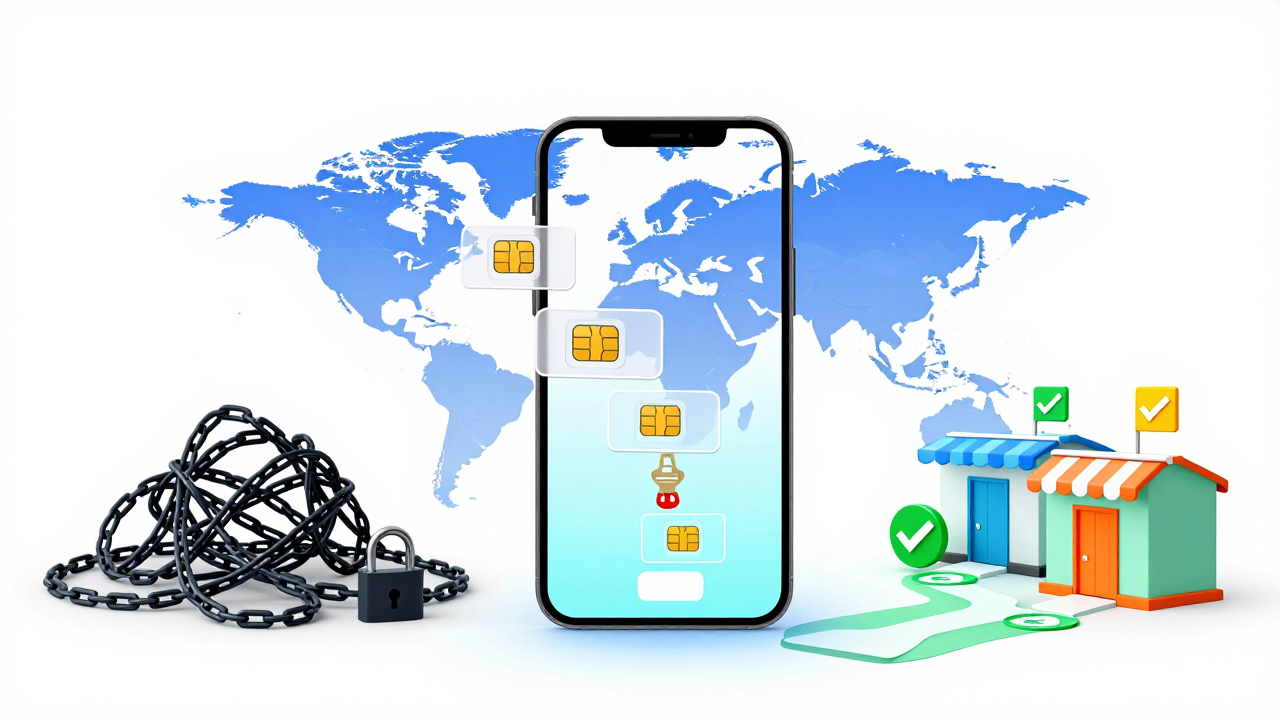
When it comes to choosing a service provider, the industry consensus points to three non-negotiables:
- Identity verification is mandatory (if they skip it, walk away)
- Prohibited uses are explicitly spelled out in the terms of service
- After-sales support exists (for instance, refunds if a number never receives a code)
A common pattern we see: users report a number not receiving codes, then their support tickets vanish into the void. So before you commit, test the platform's customer service response time. This is precisely why some veteran platforms charge a bit more yet retain loyal users—the peace of mind is worth it.
Cost Considerations: Don't Get Blinded by Rock-Bottom Prices
Pricing across SMS verification platforms varies dramatically. Some charge pennies per code; others cost a few dollars. But you get what you pay for, and that rule holds here. Budget platforms typically have smaller number pools and higher reuse rates, making them far more susceptible to risk-control flags. Cross-border sellers know this pain all too well—the cost of losing an account far exceeds the few cents you saved on verification.
From a cost perspective, I'd recommend individual users stick with pay-as-you-go models and top up only as needed. Enterprise clients can negotiate custom packages with the platform's sales team, usually unlocking volume discounts. Regardless of your choice, prioritize number quality over unit price—every time.
One final note: an SMS verification platform is just a tool. How you use it and what you use it for is entirely on you. Stay compliant, and you'll stay in business. Hopefully, this guide saves you some trial and error.
Frequently Asked Questions
Is using an SMS verification platform legal?
Legitimate platforms operate within legal boundaries by requiring identity verification and prohibiting fraudulent use. However, the legality depends on your jurisdiction and how you use the service. Stick to compliant platforms and use numbers for lawful purposes like account registration and two-factor authentication.
Why didn't I receive my verification code?
Several factors could be at play: the number may have been flagged by the target platform, the number pool might be overloaded, or the provider may have latency issues. Reputable platforms offer refunds or number replacements in these cases, so test their support responsiveness before committing.
Can I use one number for multiple accounts?
Technically yes, but it's not recommended. Using the same number across multiple accounts increases the likelihood of triggering risk-control systems, which can lead to all associated accounts being flagged or banned. Always use fresh numbers for critical registrations.
What's the difference between free and paid SMS verification platforms?
Free platforms typically rely on shared numbers with high reuse rates, which means lower success rates and higher ban risks. Paid platforms maintain cleaner number pools, offer better reliability, and provide customer support. For business-critical operations, the paid route is almost always worth it.
Struggling with account verification for your cross-border operations? Start with a reputable SMS verification platform that prioritizes number quality and compliance—your future self will thank you.