Buy TikTok Accounts: Run Directly or Nurture First? A Cross-Border Dilemma
Buy TikTok Accounts: Run Directly or Nurture First? A Cross-Border Dilemma
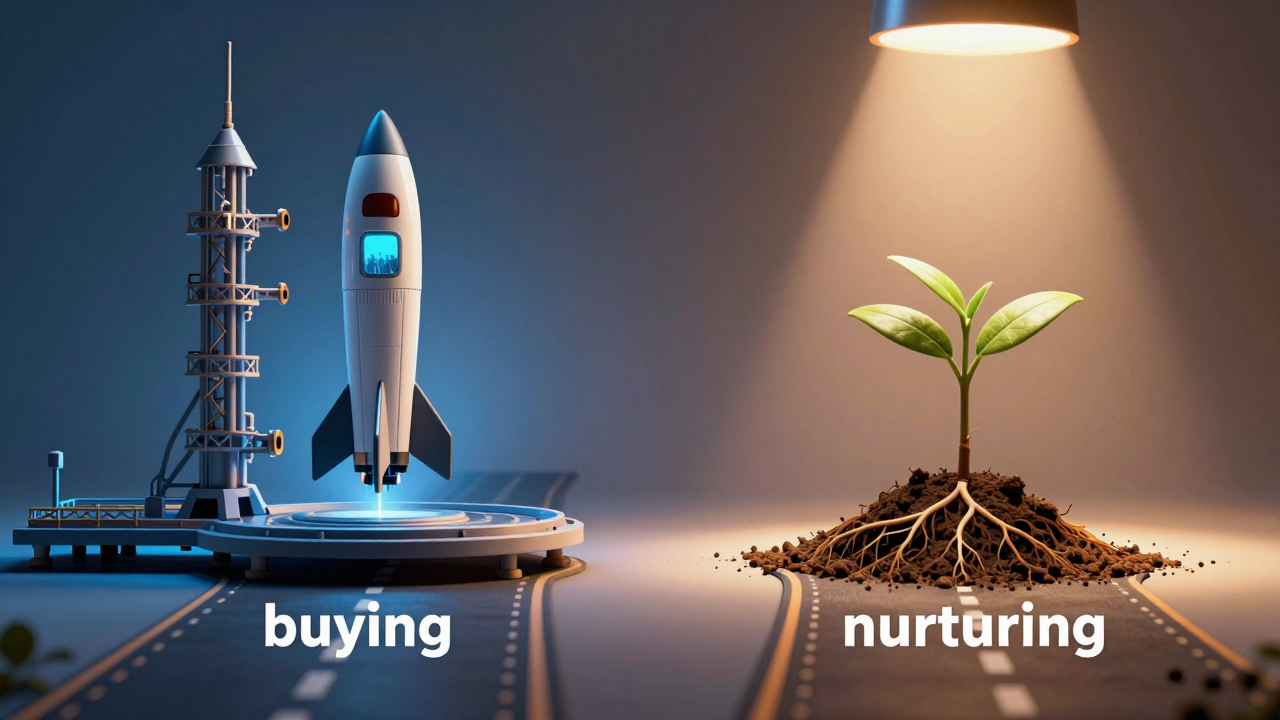
When gearing up for a major push on TikTok, many cross-border teams hit a critical fork in the road: Do you spend money to buy a ready-made social media account and start posting and linking immediately, or do you patiently nurture one from zero? The sight of numerous overseas social media accounts for sale makes this choice more tempting yet agonizing. It's not just about money; it's a trade-off between time, starting advantage, and long-term security.
The Allure of Buying: Starting on Someone Else's Shoulders
The biggest draw of buying an account is bypassing the dreary initial accumulation phase. A seemingly "well-nurtured" account might already have a follower base, decent watch-time metrics, and possibly even unlocked features like TikTok Shop or product showcases. For teams eager to test product-market fit or run short-term campaigns, this looks like a shortcut.
However, this is a murky area. I've observed a classic pitfall: a studio once bought a US-based account boasting "10k followers and high engagement" to promote home goods. Upon taking over, they found that while the follower count was real, the previous content was a mix of food, dance, and comedy, resulting in a wildly inaccurate audience persona. New home-goods videos were pushed to completely uninterested users, garnering under 200 initial views and abysmal engagement. The account quickly became "zombie-like." This exposes the core risk of buying: follower quality and account tags are often uncontrollable, leading to a mismatch with your business—essentially buying an empty shell.
The Value of Nurturing: Building Your Digital Asset
Nurturing your own account from scratch means you define its "personality" and "persona" from the very first video and interaction. This process helps you deeply understand the platform's algorithm preferences and cultivate a precise initial following. Industry consensus is that a carefully nurtured, niche-specific account boasts far greater follower loyalty and conversion potential than a bought "generic account." This, of course, requires significant time investment (typically 3-6 months) and consistent content operation.
Many cross-border practitioners note that the hardest part of nurturing isn't creating content, but surviving the cold start period. Without traffic feedback, it's easy to get discouraged. Here, compliant operational tools become valuable. For instance, through TikTok matrix farming services, you can perform coordinated initialization of multiple accounts within a compliant framework. This simulates real user behavior to steadily boost the initial authority of new accounts, laying a foundation for future content pushes.
Decision Guide: Which Path Suits Your Team?
How to choose? The key is assessing your core resources and objectives.
- Consider "buying an account" if: You possess strong short-term viral content creation ability; your goal is rapid ad testing or driving traffic to an independent site, with low requirements for long-term account loyalty; your team can vet account quality (e.g., checking historical videos, follower activity curves).
- Stick to "nurturing an account" if: Your business relies on brand building and long-term user relationships; your content niche is highly professional (e.g., B2B industrial products, high-end home decor); you prioritize high conversion rates and follower lifetime value.
A balanced "safe strategy" is to purchase a basic social media account with decent conditions (e.g., long registration time, no violation history, relatively clean tags), but not rush to flood it with commercial content. Instead, spend 1-2 months "cleaning" and re-shaping its tags with high-quality, vertical content while gradually purging non-target followers. This is akin to buying a house with a solid foundation and renovating it yourself.
How to Find a Reliable Service Path?
Whether buying or assisting with nurturing, finding a compliant service provider is paramount. When buying directly, the biggest risks are unclear account sources, uncleared violations, or fabricated data. Many newcomers, lured by low prices, end up with "blacklisted" accounts flagged by the platform, wasting all subsequent efforts.
For teams needing a quick start, a more secure option is using compliant services based on official APIs. For example, TikTok ad proxy services allow you to acquire precise traffic directly through the ad system without purchasing account ownership. This completely circumvents account risks but requires solid ad optimization skills. Services like TikTok automated live streaming tools also use official stream keys to enable automated operations, offering another compliant approach to content distribution.
Examining industry service models reveals strategic differences across platforms. Platforms like Getfollow, for example, offer a matrix that spans everything from overseas social media accounts trading to TikTok matrix farming, reflecting the market's response to diverse, staged needs. This reminds us that no single solution is perfect; the key is choosing tools or services that match your current stage.
Final Advice: Test, Test, and Test Again
Returning to the original question: buy or nurture? There's no absolute answer. But for decision-makers, a golden rule applies: Test on a small scale before committing to large-scale investment. If considering buying, start with the cheapest niche account, invest minimal content to test its follower response and traffic quality. If planning to nurture, first validate your content model with a single account before considering a matrix operation.
Acquiring cross-border traffic is never a quick win. Whether buying, nurturing, or using ad proxies, these are all means to serve business goals. Clearly understanding the benefits and risks of each path and validating your model at minimal cost is the way to steady growth.
Frequently Asked Questions (FAQ)
What's the biggest risk when buying a TikTok account?
The primary risks include unclear origin, undisclosed past violations (like community guideline strikes), fabricated follower and engagement data, and a severe mismatch between the account's existing audience and your target market, leading to poor reach and engagement.
How long does it typically take to nurture a TikTok account from scratch?
It usually takes about 3-6 months of consistent, niche-focused content posting and community interaction to pass the cold start phase and build a recognizable, engaged follower base with decent algorithmic authority.
Is using a TikTok ad proxy service a safe way to get started?
Yes, using official TikTok ad proxy services is generally a compliant and low-risk method. It allows you to access traffic through official advertising channels without the inherent risks of purchasing third-party accounts, though it requires proficiency in ad management and optimization.
Can I combine buying and nurturing strategies?
Absolutely. A common "hybrid" strategy is to purchase an older account with a clean history but irrelevant tags, then spend several months overhauling its content direction with vertical, high-quality videos to "re-teach" the algorithm and gradually replace the old audience with your target followers.