Macau SMS Verification: Fixing Cross-Border Code Delivery Issues
Macau SMS Verification: Fixing Cross-Border Code Delivery Issues
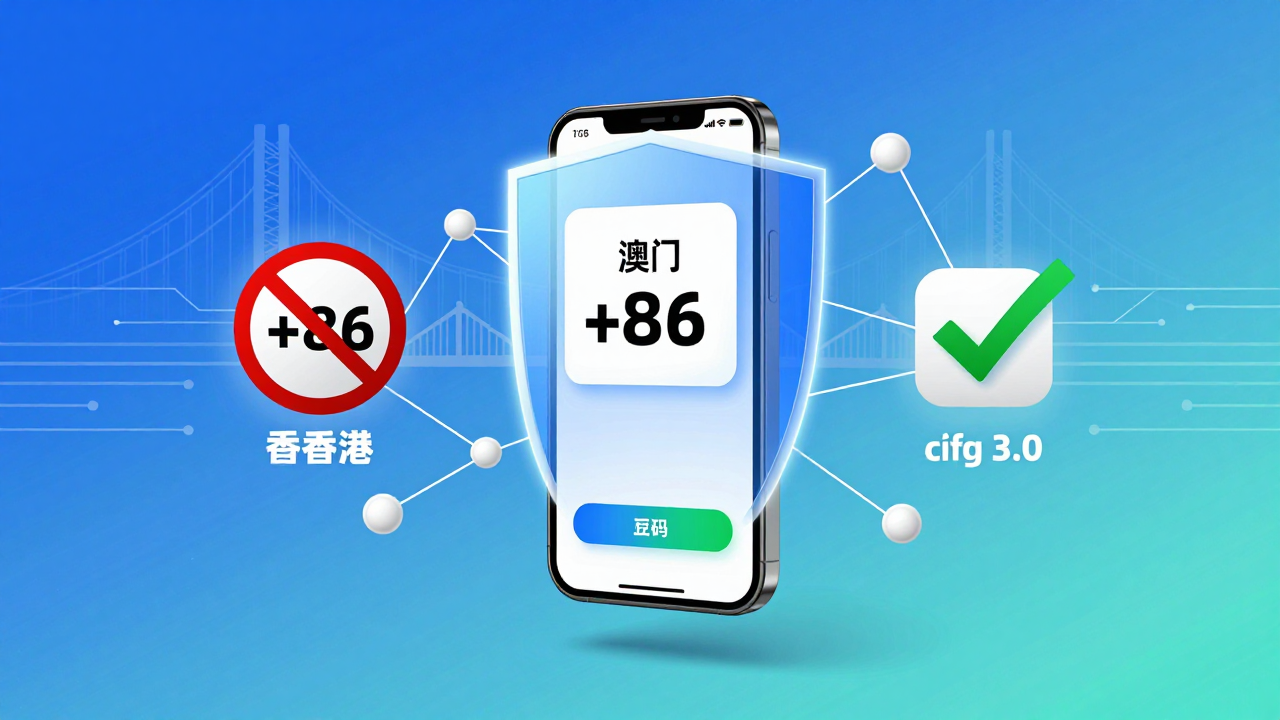
If you run a cross-border operation—especially one touching Hong Kong, Macau, or Taiwan—you've probably hit this wall: you're registering an account or linking a payment tool, and you get stuck at the phone number field. Mainland numbers can't receive verification codes from overseas platforms, or the site simply doesn't accept +86. That's where Macau SMS verification services become the go-to workaround for countless studios and trading companies.
But let's be real—this industry has some murky corners. Some platforms burn through numbers quickly, others are so slow you'll age waiting for a code, and a few advertise "unlimited SMS receiving" only to charge a premium per code. I'm not here to hype or trash anyone. I'm just sharing what I've seen from the inside and breaking down what a trustworthy platform actually looks like.
Why Macau Numbers, Anyway?
Cross-border operators consistently report that Macau numbers sail through overseas platform verification far more smoothly than mainland ones—especially on sites with strict China risk controls, like international social apps, overseas e-commerce dashboards, and even crypto exchange SMS checks. The reason isn't complicated: Macau uses an overseas country code, but it doesn't trip the "high-risk region" flags that US or European numbers often do.
On top of that, Macau SMS verification costs less than Hong Kong numbers, and the stability beats many smaller Southeast Asian carriers. For solo operators running multiple accounts, Macau numbers hit a sweet spot between price and reliability.
The Three Business Models Behind Macau SMS Platforms
Every Macau SMS verification provider you'll find falls into one of three categories:
- Shared number pool: Multiple users cycle through the same numbers. Cheap (a few cents per code), but privacy risks run high, and you may run into recycled numbers that trigger account associations.
- Dedicated numbers: The number is yours alone. Stable and reliable, but pricier (anywhere from a few dollars to tens of dollars per code). Ideal for long-term account nurturing.
- API integration: The platform gives you access to their system so you can embed SMS receiving directly into your own workflow. Built for studios and companies operating at scale.
From my experience, plenty of cross-border operators start with shared pools to save money—then watch their accounts get banned within days. They quickly learn to pay a bit more for dedicated numbers or API access.
Know the Compliance Lines Before You Dive In
Compliance is probably the thing people care most about—and ignore most often. Macau SMS verification isn't illegal by itself. What matters is where and how you use it. Registering an e-commerce store or verifying a social account? Totally normal business use. But mass account farming, fake orders, or actively dodging platform risk controls? That's crossing the line.
Industry consensus is clear: legitimate platforms require real-name verification and cap how often a single number can be used. Getfollow, for example, has built a solid reputation by sticking to this playbook—vetting users first, then opening up the service. They don't just take anyone who shows up.
So when you're comparing providers, don't shop on price alone. If a platform doesn't even ask for ID, ask yourself why. Loose requirements usually mean sketchy number sourcing—and when things go sideways, they'll throw you under the bus.
How to Tell If a Macau SMS Provider Actually Delivers
Operators I've talked to agree that three things separate the good from the bad: success rate, number lifespan, and support response time. But you won't learn any of that from a landing page.
My advice? Start with a small test order. Throw in ten or twenty bucks, grab three to five numbers, and see if the codes really arrive "instantly" like the ads promise. Also, watch how often the number pool refreshes—if a platform keeps the same numbers for a year and success rates keep dropping, they're not maintaining their infrastructure.
One more thing to check: do they offer a number replacement policy? If a code never arrives, can you swap numbers or get a refund? That small detail says a lot about how confident the provider is in their own service.
What Macau SMS Verification Actually Costs
There's no industry-wide price list, but the ranges are pretty consistent. Shared pool Macau numbers run about 0.5 to 1.5 RMB per code. Dedicated numbers on a monthly lease typically land between 30 and 100 RMB. API access is usually volume-based, with bigger prepaid packages earning better rates.
If someone quotes below these ranges, be suspicious. Either the numbers are low quality, or the platform is cashing out before disappearing. Above the range doesn't guarantee quality either—sometimes you're just paying for the brand name.
Freelancers and Companies Need Different Approaches
If you're a solo operator keeping two or three business accounts alive, just buy single-use codes or a monthly dedicated number. Skip the API. Spend that saved energy on actually growing your business.
But if you're a cross-border company registering dozens of accounts a day or running multi-platform batch verification, API integration is non-negotiable. What matters then is interface stability, concurrent processing capacity, and whether the provider gives you a dedicated support channel. When your operation is live, a verification code stuck for half an hour costs way more than time.
I've noticed some providers are now segmenting their number pools—separating Macau numbers into e-commerce, social, and finance categories so a ban on one platform doesn't wipe out the whole pool. That kind of precision beats the old one-size-fits-all shared pool approach by a mile.
Straight Talk From Someone Who's Been There
At the end of the day, Macau SMS verification is just a tool. Tools aren't good or bad—it's how you use them. Don't expect any single platform to solve all your account problems. The number is only step one. IP cleanliness, device fingerprints, and your own behavior patterns all play a role in whether your accounts survive.
If you're still stuck on receiving codes, step back and map out your actual use case: long-term account nurturing or short-term verification? High-frequency batch work or low-frequency sporadic needs? Answer those questions first, then go hunting for the right provider—you'll save yourself a lot of headaches.
One last word of caution: the Macau SMS verification market is a mixed bag. Don't chase cheap deals, and don't believe anyone promising "permanent stability." Pick a platform that's willing to sign a contract, issue proper invoices, and actually answer when something goes wrong. That's worth more than any discount.
Frequently Asked Questions About Macau SMS Verification
Can I use Macau SMS verification for free?
Free options exist, but they're almost always shared pools with high failure rates and serious privacy risks. For anything beyond a one-off test, paid services are worth every penny.
How long does it take to receive a Macau verification code?
With a reputable platform, codes typically arrive within 5 to 30 seconds. If you're waiting more than a minute, something's wrong—switch numbers or contact support.
Will Macau numbers work for all overseas platforms?
No. Some platforms block entire country codes or apply stricter checks to certain regions. It's smart to test a number on your target platform before committing to a bulk purchase.
Is Macau SMS verification legal for business use?
Yes, as long as you're using it for legitimate purposes like account registration and verification. Using it to bypass security systems or commit fraud is illegal and can have serious consequences.