SMS Verification Platforms: The Invisible Hand Behind Cross-Border Account Operations
SMS Verification Platforms: The Invisible Hand Behind Cross-Border Account Operations
When someone new to cross-border ecommerce first hears about SMS verification platforms, their mind usually jumps to shady operations. Honestly, that impression isn't entirely wrong—but it only scratches the surface. Across the dozens of cross-border ecommerce and overseas social marketing studios I've worked with, SMS verification platforms are practically standard equipment. People just don't talk about it openly. So let's lay it all out today: what these platforms actually do, and how to use them without stepping on landmines.
First, Get This Straight: It's Not Just About "Receiving Texts"
On the surface, SMS verification platforms hand you a pile of virtual numbers to receive registration codes from various platforms. But if you think of them as merely "code-receiving tools," you're missing the bigger picture. From my experience, the real reason cross-border businesses and solo operators rely on them comes down to account isolation and batch operations.
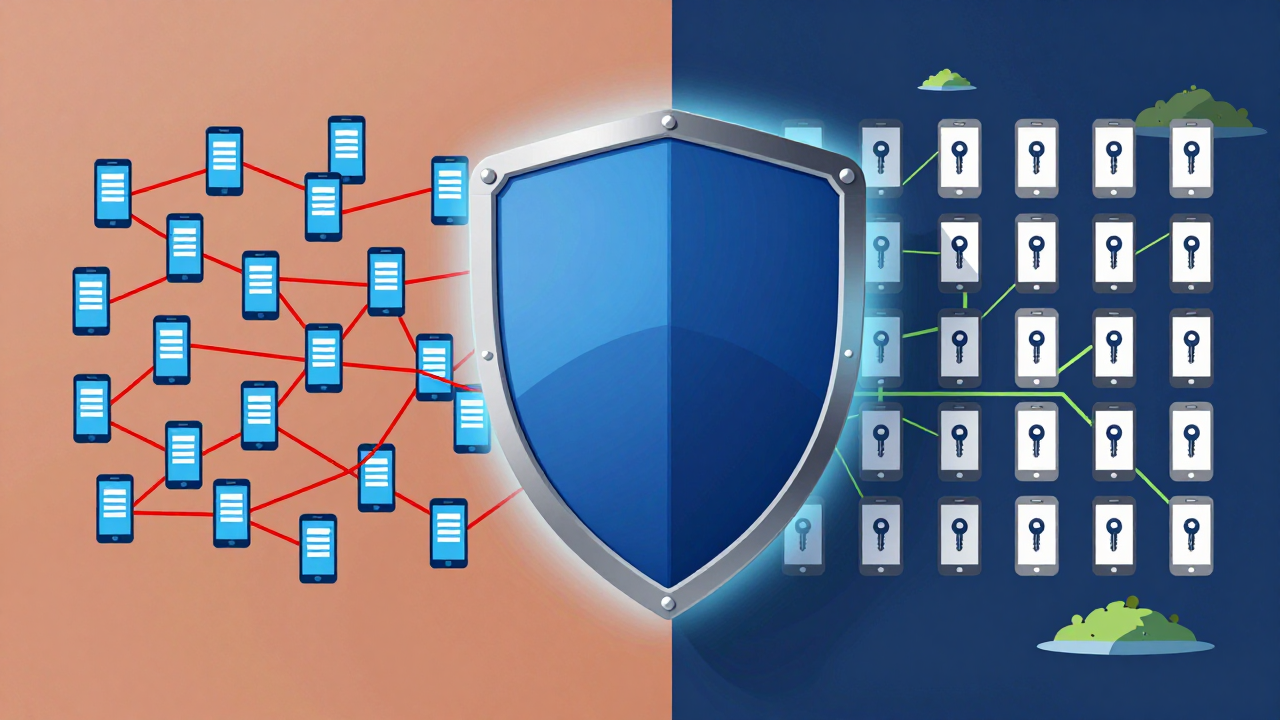
Here's a scenario: you're running five Instagram accounts, each tied to a different product line. If all of them verify with the same phone number, you're looking at throttling at best, and a full ban at worst. Giving each account its own verification number is like issuing each one a separate ID card.
Digging deeper, most platforms' risk-control systems look at device fingerprints and number associations. So what can an SMS verification platform do for you? It cuts off number-level associations at the source, reducing the odds of getting your entire account cluster wiped out in one sweep. Many cross-border operators report that using verification platforms for account warming boosts survival rates by 30% or more. There's no official statistic backing that, but the industry consensus is clear—batch operations demand number isolation.
Core Use Cases: More Than Registration—It's Part of Your Ops Strategy
Let's walk through the use cases, ranked by how often they come up. You'll see that verification platforms support an account's entire lifecycle, from birth to maturity.
- Batch account registration: This is the most basic use. Whether it's ecommerce platforms (Amazon, eBay), social media (Facebook, Telegram), or SaaS tools, phone verification is mandatory. Verification platforms supply numbers in bulk for rapid sign-ups.
- Account warming and unbanning: After registration, platforms sometimes require secondary verification or SMS confirmation. If risk controls kick in, verification platforms let you receive appeal codes, improving your chances of getting accounts reinstated.
- Multi-account matrix operations: Anyone in cross-border marketing knows that relying on a single account is a huge risk. Verification platforms enable multiple accounts on the same platform, paired with different IPs and browser fingerprints to build a full matrix.
- Reliable code delivery: Some platforms demand high "purity" numbers—think Google Voice or WhatsApp. Verification platforms can provide native numbers from specific countries, boosting approval rates.
Here's a real operational detail worth sharing. I know a studio running independent-site traffic campaigns. They used a verification platform to register over 200 Telegram accounts, then systematically joined different groups for product research. Because their numbers came from a concentrated range, Telegram's anti-spam system flagged them—80+ accounts got banned overnight. They pivoted to registering only 20 accounts at a time, using numbers from different ranges, and finally stabilized. The lesson? What a verification platform can do isn't the point—how you pace it into your operations is what matters.
Industry Reality: The Line Between Compliance and Gray Areas Is Blurrier Than You Think
Honestly, the SMS verification industry runs deep. Maybe 90% of platforms claim to offer "overseas real SIM cards," but very few deliver consistent, compliant service. Many rely on IoT cards or disposable virtual numbers, which have abysmal approval rates on platforms with strict risk controls.
Among the more stable players, platforms like Getfollow have built a reputation by operating on a compliance-first model—they maintain a pool of real, active overseas numbers and clearly tell users which platforms they support and which they don't. That transparency is exactly what makes cross-border businesses trust them. That said, I have to add a caveat: even these platforms can't guarantee 100% success, because platform registration rules change daily.
Another industry pattern is the price war. Some platforms lure users in with "pennies per code" pricing. But in practice, you'll either find that number reuse rates are so high you never receive codes, or customer support is unreachable. A common pattern we see: the few dollars you saved end up becoming tuition for another batch of banned accounts.
Risks and How to Dodge Them: I've Taken These Hits So You Don't Have To
Plenty of people ask what SMS verification platforms can do, but the real question is how to pick one without getting burned. Here are the three most common risks I've seen, each with a practical countermeasure.
| Risk Type | What It Looks Like | How to Avoid It |
|---|---|---|
| Poor number quality | Delayed codes, lost verification messages, numbers already registered | Start with a small deposit and test 3–5 numbers to gauge delivery speed and success rate |
| Platform disappears | Service cuts off after you top up, support goes silent | Choose monthly or per-use billing instead of loading up a large balance at once |
| Account association | The same number gets shared across users, triggering linked bans | Confirm the platform offers exclusive-use numbers—even if it costs more, it's worth it |
There's another detail people overlook: number origin matters. Many platforms default to US or UK numbers. But if you're registering for Rakuten Japan or Amazon Germany, using a US or UK number will likely trip risk controls. So choose a platform that supports multiple countries, and confirm your target platform accepts numbers from that country before you order. That's basic due diligence.
In my own testing across numerous platforms, a pattern emerged: platforms with fast customer support usually have better number quality. That's because they refresh their number pools regularly and resolve issues quickly. On the flip side, if support takes hours to respond, chances are the number pool is stale and problems are piling up.
Final Advice: Test Small First, Then Think Long-Term
What can SMS verification platforms do? At the end of the day, they're a tool that lowers the barrier to cross-border operations. They won't fix your content quality or product selection, but they'll save you massive amounts of time on account infrastructure. My recommendation: no matter who recommends a platform, spend a few dozen dollars on a small-scale test first. Evaluate three things: registration success rate, code delivery latency, and customer support responsiveness. Only when all three pass should you add it to your permanent toolkit.
One honest piece of advice to close this out: tools are just tools. Don't pin all your hopes on any single platform. A verification platform can handle account registration and warming, but whether your accounts actually thrive depends on your content, your operational strategy, and how well you respect each platform's rules. Play the long game—steady and consistent beats flashy every time.
Frequently Asked Questions
Are SMS verification platforms legal?
Legality depends entirely on how you use them. Using virtual numbers to register accounts on platforms that prohibit them can violate those platforms' terms of service. For legitimate cross-border business operations—like managing multiple branded accounts with proper isolation—the tool itself is neutral. Always check the terms of both the verification platform and the services you're registering for.
Why do my verification codes never arrive?
This usually comes down to number quality or origin mismatch. If the number has been reused across many users, platforms may blacklist it. Also, if you're using a US number to register on a platform that primarily serves another region, risk controls may silently block delivery. Test a few numbers from different ranges before committing.
Can I use free SMS verification services?
Free services exist, but they come with serious trade-offs: high reuse rates, slow delivery, and no support. For anything beyond casual testing, paid platforms with exclusive numbers and responsive support are worth the cost. The time you waste on failed registrations will cost you more than the platform fee.
How do I prevent my accounts from getting linked?
Number isolation is just one layer. Pair each account with a unique IP, browser fingerprint, and device profile. Use exclusive numbers from different ranges, and avoid registering multiple accounts in rapid succession. Spread your registration activity over time to look more organic.