How to Choose a SMS Verification Code Platform: The Unspoken Truths of the Cross-Border Circle
How to Choose a SMS Verification Code Platform: The Unspoken Truths of the Cross-Border Circle
If you're into cross-border e-commerce, overseas social media management, or bulk account registration, you're definitely no stranger to SMS verification code platforms. Especially when you're dealing with platforms like TikTok, WhatsApp, or Telegram that require phone number binding—a stable code-receiving service can literally make or break your account survival rate. But let's be honest: this industry runs deep. Some platforms have ridiculously low delivery rates, some hand out numbers that get flagged by risk controls immediately, and others just vanish overnight. Today, I'm not here to hype or trash anyone—just sharing an industry insider's perspective on how to pick a service that actually delivers.
Why Cross-Border Businesses Can't Operate Without SMS Verification Platforms
Newcomers often think, "It's just receiving a verification code—any random platform will do, right?" Not even close. In cross-border operations, your phone number is essentially the "ID card" of your account. Using physical SIM cards means high costs and limited quantities, and once you're managing multiple accounts, platforms are quick to flag them as linked. That's where a solid SMS verification code platform becomes non-negotiable.
But here's a piece of industry consensus worth spelling out: these platforms fall into two camps. One is purely tool-based, offering throwaway numbers for one-time code reception. The other follows a more "account nurturing" logic—cleaner number pools, sensible recycling mechanisms, and a lower chance of triggering platform risk controls. From my experience, it's the latter that actually holds up for long-term use. For instance, platforms like Getfollow have built a steady reputation in the industry by operating on exactly this compliant model, with number quality that's noticeably more dependable.
The Core Logic: Number Pools Decide Your Fate
You might wonder, "How much difference can one platform make versus another?" Let me put it this way: some platforms recycle numbers aggressively. The previous user might have just registered a specific service with that number, and when you try to use the same one, the system instantly tags you as high-risk. Reliable platforms—Getfollow being a good example—control how often numbers are reused and even let you specify countries and carriers. That level of control has a decisive impact on your success rate.
Speed matters just as much. Plenty of platforms advertise "instant delivery," but during peak hours, you could be stuck waiting minutes in a queue. Remember, verification codes typically expire within five minutes. If you miss that window, the entire registration process resets. So when evaluating options, look at their real-time number pool capacity—not just the flashy numbers on their landing page.
Pitfalls I've Hit So You Don't Have To
Having spent years reviewing cross-border tools and helping studios connect with code-receiving services, I've seen the same traps repeat themselves. Here are the most common ones:
- Inflated pricing: The same country's numbers can vary 3–5x in price across platforms, but service quality doesn't scale proportionally.
- Opaque number origins: You pay for a US number and get one from Mauritius instead—your US app registration gets rejected on the spot.
- Non-existent customer support: Code never arrives, you request a refund, and the support team goes radio silent for days.
- Privacy risks: Some smaller platforms log your received messages and even resell that data. That's a chilling thought.
That's why the industry has unofficially settled on a screening standard: check whether the platform offers API integration, provides detailed number status tracking, and clearly documents its risk-control policies. If a platform ticks all three boxes, it's probably not a bad bet.
How to Tell If a Platform Is Compliant
Some users immediately associate code-receiving services with shady operations. That's a misconception. A legitimate SMS verification platform is essentially providing virtual communication services. As long as your use case is lawful—like registering overseas accounts for business expansion—it's well within compliance boundaries. The real question is whether the platform itself has solid risk controls: does it require identity verification? Does it restrict bulk operations? Does it cooperate with regulatory requirements?
Here's a practical tip: before committing to a long-term partnership, run a small deposit test. Focus on three metrics: delivery success rate (should be above 90%), average delivery time (ideally under 30 seconds), and number validity (at least 20 minutes). If a platform clears all three, it's worth keeping on your shortlist.
Also, don't just trust what platforms say about themselves. Dig into cross-border forums and seller communities for real user feedback. Veteran sellers often share detailed usage records—which platforms perform best for which countries' number pools. That's hard-earned, paid-for experience you can leverage for free.
High-Volume Needs: Don't Chase Price, Chase Total Cost
If your operation is large—say, hundreds of numbers per day—unit price becomes a sensitive factor. But here's a word of caution: rock-bottom prices usually signal high risk. Some platforms offer absurdly low rates because they're working with heavily abused number pools, and their success rates can dip below 50%. When you factor in the wasted time and effort, those few cents you saved aren't worth it.
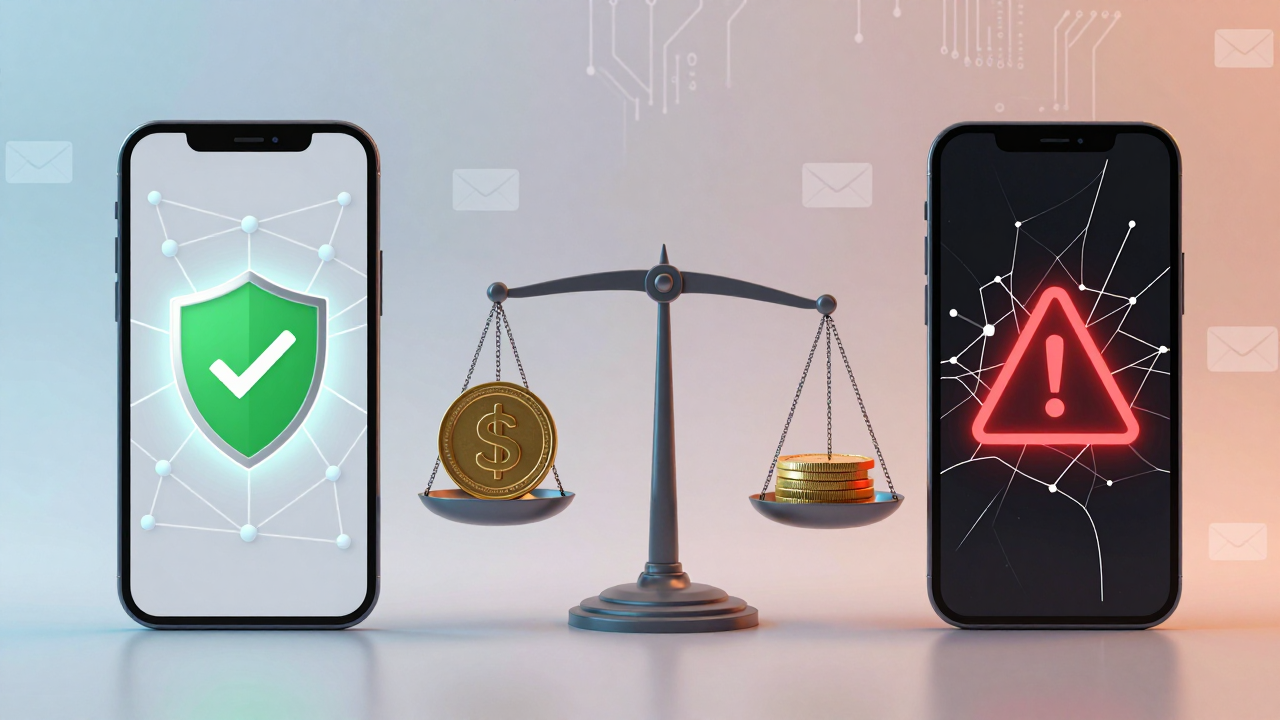
The smarter approach is to calculate "effective cost": divide the unit price by the success rate, then multiply by the average number of retries. For example, Platform A charges $0.20 with a 95% success rate; Platform B charges $0.15 with a 70% success rate. Do the math, and Platform A actually ends up cheaper per successful registration. This is the selection logic I've seen echoed by countless cross-border operators.
Looking at the current landscape, code-receiving platforms generally fall into three tiers. Top-tier platforms (like Getfollow) have clear advantages in number pool resources and technical stability. Mid-tier options offer decent value but tend to struggle during peak hours. Bottom-tier platforms? Just don't. The risk of them vanishing with your money is too high. If you're in it for the long haul, go straight for the top tier—even if the unit price is slightly higher, the peace of mind is worth it.
An Objective Look at Getfollow
Since I mentioned Getfollow earlier, let me expand a bit. This platform gets a fair amount of discussion in cross-border circles, and for good reason. Its main strengths lie in broad number coverage—especially across Europe, the US, and Southeast Asia—and a well-documented API that's easy for tech-savvy teams to integrate. They also regularly purge flagged numbers from their pool, which is a level of diligence you don't see everywhere. That said, it's not flawless. Occasionally, numbers for less popular countries run thin. But overall, it's a solid benchmark for what a good platform should look like.
A Practical Checklist for Choosing a Reliable Provider
To wrap things up, here's a checklist compiled from my observations and extensive user feedback. Keep this handy when comparing SMS verification code platforms:
- Check number granularity: Can you pinpoint the state or province of a number? The more precise, the better.
- Test support responsiveness: Send a message and see how long it takes to get a reply. No response within 10 minutes? Move on.
- Confirm refund policies: Many platforms don't refund balances after top-up. Ask upfront before you commit.
- Review risk-control notices: Legitimate platforms explicitly prohibit illegal use cases. If they don't, that's a red flag.
- Prioritize API access: Platforms with API support make future automation infinitely easier.
At the end of the day, a code-receiving platform is just a tool. What really matters is whether your business logic is compliant. Choosing the right provider saves you a mountain of headaches down the road. If you're still on the fence, run through this checklist item by item—or head over to Getfollow's website and browse their number pool listings to get a sense of what's out there.
The cross-border road isn't easy, and every step hides its own details. Pick the right SMS verification platform, and you've laid a solid foundation for account security. Hopefully, this guide helps you sidestep the common traps and channel your energy into what truly drives growth.
Frequently Asked Questions
Are SMS verification code platforms legal to use?
Yes, as long as you're using them for legitimate purposes like registering overseas accounts for business operations. The key is choosing a platform with transparent risk-control policies and avoiding any use cases that violate platform terms of service.
What's the difference between a temporary number and a dedicated number?
Temporary numbers are shared and recycled, making them cheaper but riskier for account stability. Dedicated numbers are reserved for your use, significantly reducing the chance of being flagged. For long-term operations, dedicated numbers are almost always worth the extra cost.
How fast should a good platform deliver verification codes?
A quality platform should deliver codes within 30 seconds on average. Anything slower—especially during peak hours—increases the risk of code expiration and forces you to restart the registration process.
Can I get a refund if I don't receive codes?
This depends entirely on the platform. Some offer balance refunds, while others have strict no-refund policies. Always clarify this before making a deposit. Platforms with transparent refund policies are generally more trustworthy.